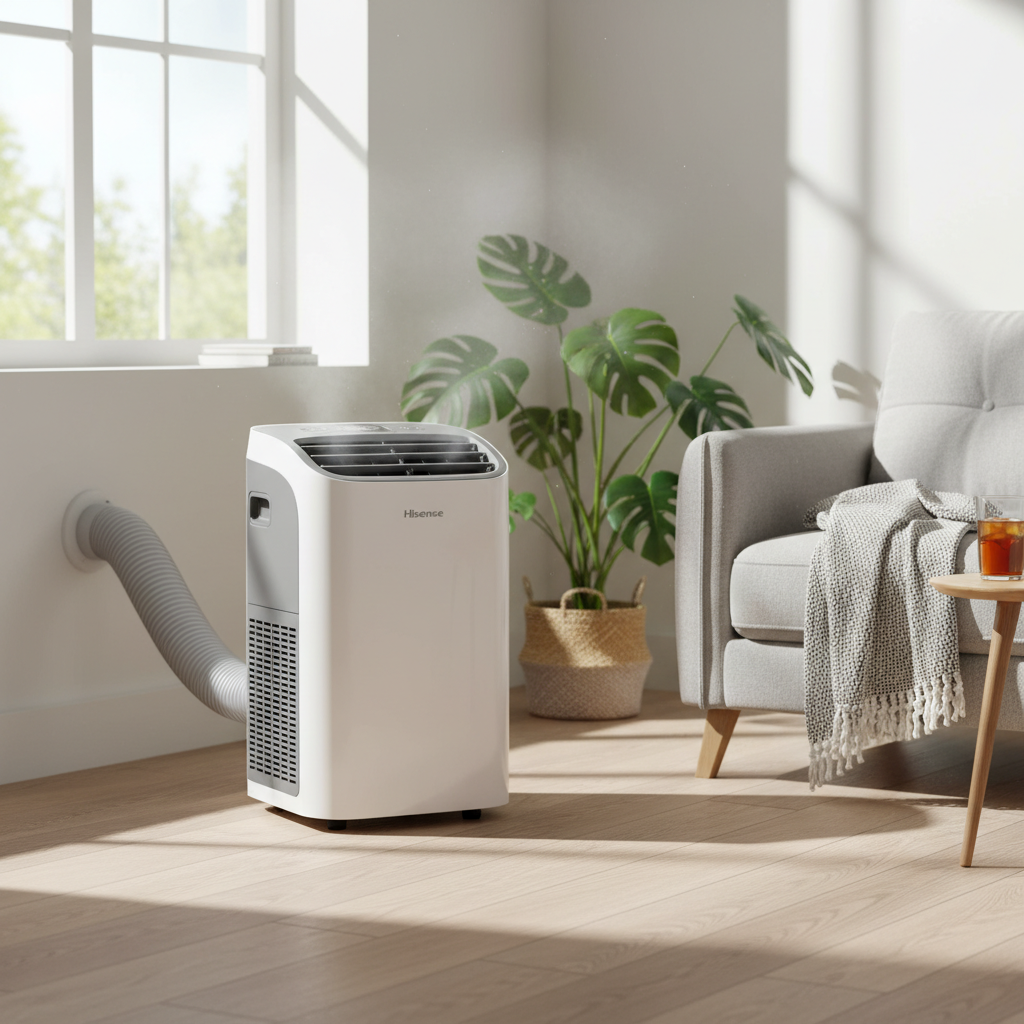
There’s nothing quite as frustrating as stepping indoors on a hot day, only to find your air conditioner blowing warm air or, worse, no air at all. That promised blast of cool relief suddenly becomes a source of stress, disrupting your comfort and peace of mind. While the thought of a broken AC can be daunting, leading you to immediately fear expensive repairs, many common cooling issues have surprisingly simple solutions that you can tackle yourself. Often, a few minutes of troubleshooting can restore your system’s performance, saving you discomfort and a service call. This guide will walk you through the five most frequent reasons your AC might not be cooling and provide straightforward steps to get it back on track.
Understanding Why Your Air Conditioner Isn’t Cooling
Before diving into fixes, it helps to understand the basic principle behind your air conditioner’s operation. An AC unit doesn’t just create cold air; it removes heat and humidity from your indoor environment and transfers it outside. This process relies on a delicate balance of airflow, refrigerant levels, and electrical components. When any part of this system is disrupted, your AC’s ability to cool effectively can diminish. Common culprits range from simple user errors and routine maintenance neglects to more complex mechanical or electrical failures. Identifying the specific cause is the crucial first step toward restoring comfort in your home.
Your First Line of Defense: 5 Quick Fixes for a Non-Cooling AC
When your air conditioner decides to take an unannounced break from cooling, these five common checks can often pinpoint and resolve the issue without needing professional intervention.
Fix 1: Verify Your Thermostat Settings
|
Our Picks for the Best Air conditioner in 2026
As an Amazon Associate I earn from qualifying purchases.
|
||
| Num | Product | Action |
|---|---|---|
| 1 | Frigidaire 5,000 BTU Window-Mounted Air Conditioner, Cools Up to 150 Sq. Ft., Quiet Operation, Effortless Temperature Control, 2 Fan Speeds, Auto Restart, White |

|
| 2 | LEVOIT Tower Fan for Bedroom, 90° Oscillating Standing Fan with 28dB Quiet for Sleep, 25ft/s Velocity, 12H Timer, 5 Speeds 4 Modes, Remoter, Bladeless Room Fan for Home, Office, Indoor, 36 inch, White |
|
| 3 | Midea 5,000 BTU EasyCool Small Window Air Conditioner - Cool up to 150 Sq. Ft. with Easy-to-Use Mechanical Controls and Reusable Filter, Perfect for Small Bedroom, Living Room, Home Office |
|
| 4 | Shinco 8,000 BTU Portable Air Conditioner, AC Unit with Built-in Cool, Dehumidifier & Fan Modes for Room up to 350 sq.ft, Conditioner Remote Control, 24 Hour Timer, Installation Kit |
|
| 5 | 12000 BTU Portable Air Conditioner, 3-in-1 Portable AC Unit with Cooling, Dehumidifier and Fan Modes, Cools Up to 450 Sq.Ft, LED Display Air Conditioners with Window Kit and Remote Control |
|
| 6 | Amazon Basics 5000-BTU Window Air Conditioner with Quiet Operation, Up to 150 Sqf, Cool and Fan Functions, Washable Filter, Adjustable Window Kit, Intuitive Mechanical Controls, for Small Room, White |
|
| 7 | Feelfunn 8,000 BTU Portable Air Conditioner - 3-in-1 Portable AC Unit for Rooms Up to 350 Sq. Ft., with Remote Control, Cooling, Dehumidifier & Fan Modes, AC Unit for Bedroom, Office, Apartment |
|
| 8 | Midea 12,000 BTU U-Shaped Smart Inverter Window Air Conditioner–Cools up to 550 Sq. Ft., Ultra Quiet with Open Window Flexibility, Compatible with Alexa/Google Assistant, 35% Energy Savings (Renewed) |
|
| 9 | Amazon Basics 6000-BTU Window Air Conditioner with Quiet Operation, Up to 250 Sqf, Cool and Fan Functions, Washable Filter, Adjustable Window Kit, Digital Temperature Display, Remote Control, White |
|
| 10 | Midea 8,000 BTU U Shaped Smart Inverter Window Air Conditioner - Cools 350 Sq Ft, Ultra Quiet with Open Window Flexibility - Alexa/Google Assistant Compatible - 37% Energy Savings, Remote (Updated) |
|
It sounds almost too simple, doesn’t it? Yet, an incorrectly set thermostat is a surprisingly frequent reason for an AC system failing to cool. Sometimes, a curious hand, a power flicker, or an accidental bump can change the settings.
First, ensure your thermostat is set to “Cool” mode, not “Fan Only” or “Heat.” In “Fan Only” mode, the system will circulate air, but it won’t engage the cooling mechanism. Next, check that the desired temperature is set lower than the current room temperature. If your home is 78°F, setting the thermostat to 75°F won’t trigger the cooling cycle. Also, if your thermostat runs on batteries, try replacing them, as low battery power can sometimes cause erratic behavior or poor communication with your AC unit. A fresh set of batteries might be all it takes to get your system back on track.
Fix 2: Clean or Replace Your Air Filter
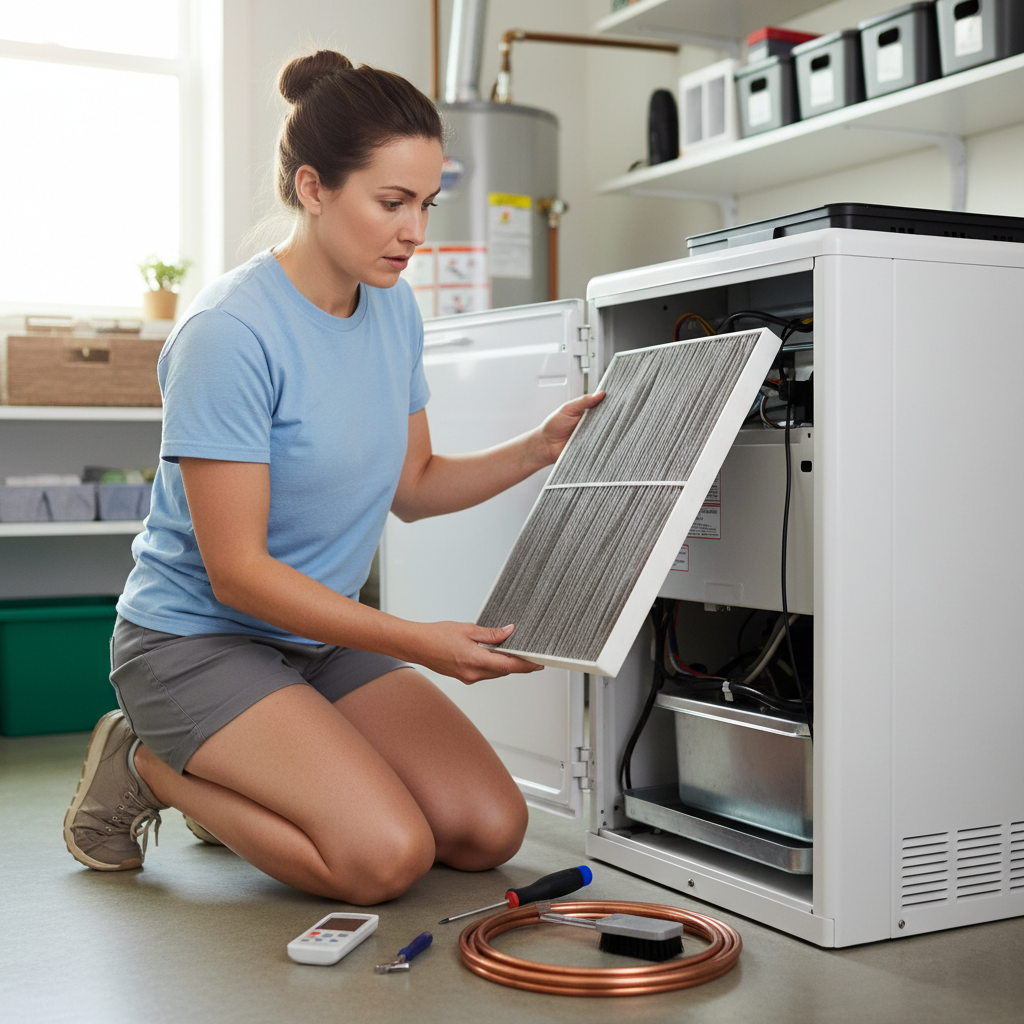
A dirty or clogged air filter is perhaps the most common reason for reduced AC performance and is easily overlooked. Over time, dust, pet dander, pollen, and other airborne particles accumulate on the filter, creating a barrier that restricts airflow. This limited airflow forces your air conditioner to work harder, reducing its efficiency and cooling capacity. In severe cases, restricted airflow can even lead to the evaporator coil freezing, which further compounds the problem.
Regularly inspecting and replacing your air filter (typically every 1 to 3 months, depending on usage and household conditions) is a crucial maintenance step. Locate your filter (often in the return air vent or inside the air handler unit), remove it, and if it appears heavily soiled or you can’t see light through it, replace it with a clean one. This simple act can significantly improve your AC’s performance and air quality.
Fix 3: Clear Debris Around the Outdoor Condenser Unit
Your air conditioner’s outdoor unit, known as the condenser, is responsible for releasing the heat absorbed from your home into the outside air. For it to do this effectively, it needs ample airflow. If the condenser coils are covered in leaves, grass clippings, dirt, or are surrounded by overgrown shrubs and plants, the unit cannot efficiently dissipate heat. This causes the system to overheat and work harder, leading to decreased cooling performance indoors.
Before attempting any cleaning, always shut off the power to your AC unit at the circuit breaker and at the disconnect switch near the outdoor unit for safety. Once the power is off, gently clear away any visible debris from around the unit. Use a soft brush or a garden hose (on a low-pressure setting) to carefully rinse off the condenser fins. Ensure there’s at least two feet of clear space around the unit on all sides to allow for optimal airflow.
Fix 4: Reset Your AC System’s Circuit Breaker
Sometimes, your air conditioner might stop cooling due to an electrical issue, often signaled by the unit simply not turning on or running intermittently. An electrical surge or an overloaded circuit can cause your AC’s dedicated circuit breaker to trip, cutting power to the unit as a safety measure.
To check this, head to your home’s main electrical panel. Look for a breaker labeled “AC,” “Furnace,” or “HVAC” that is in the “off” or middle position. Firmly flip the breaker completely to the “off” position, wait a minute, and then flip it back to the “on” position. If the breaker immediately trips again, or if resetting it doesn’t restore power, there might be a more serious electrical problem or a major component malfunction, and it’s time to call a professional.
Fix 5: Thaw a Frozen Evaporator Coil
If your indoor unit is struggling to cool and you notice ice buildup on the copper lines leading into it, or even on the evaporator coil itself, you likely have a frozen coil. This happens when the coil gets too cold and cannot absorb heat, often due to insufficient airflow (e.g., a dirty air filter, blocked vents) or low refrigerant levels. A frozen coil prevents the system from properly circulating and cooling air, leading to warm air blowing from your vents.
To temporarily resolve this, turn off your AC system at the thermostat completely. You can switch the fan setting to “ON” (not “Auto”) to help circulate air over the frozen coil and speed up the thawing process. Simultaneously, replace any dirty air filters and ensure all supply and return vents are open and unobstructed. Allow several hours for the coil to fully thaw. Once thawed, you can switch the AC back to “Cool” mode. If the coils refreeze repeatedly, it indicates an underlying issue like a refrigerant leak or a persistent airflow problem that requires professional diagnosis.
When to Call the Professionals: Beyond DIY Solutions
While many AC issues can be resolved with a few simple checks, there are times when professional expertise is essential. If you’ve tried the quick fixes and your air conditioner still isn’t cooling, or if you notice more serious symptoms, it’s time to contact an HVAC technician. These symptoms include:
- Persistent Freezing: If your evaporator coil repeatedly freezes after thawing, it’s often a sign of a refrigerant leak or a fan motor problem that restricts airflow.
- Strange Noises or Odors: Grinding, hissing, buzzing, or bubbling sounds, along with burning smells or musty odors, can indicate serious mechanical or electrical failures, or even mold growth.
- Refrigerant Leaks: Refrigerant is a closed system; if it’s low, there’s a leak that needs to be located and repaired by a certified technician. Adding more refrigerant without fixing the leak is only a temporary and costly solution.
- No Power After Circuit Breaker Reset: If the breaker trips immediately after resetting, or if your unit simply won’t power on, it points to a significant electrical fault or a component failure like a compressor or capacitor.
- Weak Airflow from Vents: While a dirty filter can cause this, persistent weak airflow even with a clean filter might indicate ductwork issues, a failing blower motor, or other complex problems.
A qualified HVAC professional has the tools and knowledge to accurately diagnose and safely repair these more intricate problems, ensuring your system runs efficiently and reliably.
Preventing Future AC Cooling Problems
Proactive maintenance is your best defense against unexpected AC breakdowns and can extend the lifespan of your unit.
Regular Filter Maintenance
Make it a habit to check your air filter monthly, especially during peak cooling seasons, and replace it every 1 to 3 months. A clean filter is fundamental for optimal airflow and system efficiency.
Annual Professional Tune-Ups
Schedule an annual maintenance check with a certified HVAC technician. These routine inspections can identify potential issues before they escalate, clean vital components, and ensure your system is operating at peak efficiency, saving you money on energy bills and preventing costly emergency repairs.
Keep Vents and Registers Unobstructed
Regularly check that all supply and return air vents in your home are open and free from furniture, rugs, or curtains. Proper airflow throughout your ductwork is essential for even cooling and preventing strain on your AC system.
Monitor Your AC’s Performance
Pay attention to any changes in your AC’s operation. Unusual sounds, strange smells, or a noticeable drop in cooling capacity are early warning signs that shouldn’t be ignored. Addressing these minor issues promptly can prevent them from becoming major problems.
Debunking Common AC Myths
Misinformation can sometimes lead to poor decisions regarding AC maintenance. Let’s clarify a couple of common myths.
Many homeowners mistakenly believe that air conditioners regularly need their refrigerant levels “topped up” like a car’s oil. In reality, an AC system operates on a sealed refrigerant loop. If the refrigerant level is low, it indicates a leak somewhere in the system, which requires professional repair, not just a simple recharge. Another common misconception is that setting your thermostat to an extremely low temperature, like 60°F, will cool your home faster. Your AC system operates at a fixed cooling rate; setting the temperature lower merely forces the unit to run longer, wasting energy without achieving faster cooling.
Conclusion
A malfunctioning air conditioner can quickly turn a comfortable home into an unbearable one, but remember that not every issue requires an emergency service call. By understanding the common reasons why your AC might not be cooling and performing a few simple diagnostic checks, you can often identify and resolve the problem yourself. From checking your thermostat and replacing dirty air filters to cleaning the outdoor unit, resetting a breaker, or thawing a frozen coil, these quick fixes can restore your home’s cool comfort.
However, recognizing the limitations of DIY solutions is equally important. For persistent issues, strange symptoms, or complex problems like refrigerant leaks or major component failures, never hesitate to contact a qualified HVAC professional. Regular maintenance and a keen eye on your system’s performance are your best allies in ensuring a cool and comfortable living space for years to come. What step will you take today to ensure your air conditioner is ready for the heat?
Frequently Asked Questions
Why is my AC running but not cooling?
Your AC might be running but not cooling due to several common issues, including incorrect thermostat settings, a dirty air filter restricting airflow, a clogged outdoor condenser unit preventing heat dissipation, a tripped circuit breaker, or even a frozen evaporator coil caused by reduced airflow or low refrigerant. Starting with these simple checks can often identify the culprit.
How often should I change my AC filter?
It is generally recommended to change your AC filter every 1 to 3 months. However, this frequency can vary depending on factors such as pet ownership, allergies, the number of occupants, and overall air quality in your home. Regularly checking the filter’s condition and replacing it when it appears dirty or clogged is key.
Can a dirty outdoor unit really affect cooling?
Yes, absolutely. The outdoor condenser unit is vital for releasing heat from your home’s air. If its coils are obstructed by dirt, leaves, or overgrown vegetation, it cannot efficiently dissipate heat. This causes the AC to work harder, reduces its cooling capacity, and can even lead to system overheating and breakdown.
When should I call an HVAC technician for AC problems?
You should call an HVAC technician if you’ve performed the basic troubleshooting steps (thermostat check, filter replacement, condenser cleaning, circuit breaker reset) and your AC still isn’t cooling. Professional help is also needed for issues like recurring frozen coils, refrigerant leaks (hissing sounds), strange noises or smells, or if the unit won’t power on after a breaker reset.
Is it bad to run my AC with frozen coils?
Yes, running your AC with frozen evaporator coils is detrimental to the system. It will not cool your home effectively, wastes energy, and can put undue strain on the compressor and other components, potentially leading to more severe and costly damage. It’s best to turn the AC off, allow the coils to thaw, and address the underlying cause of the freezing.