Waking up to an air conditioner that constantly clicks on and off without truly cooling your home is more than just an inconvenience; it’s a warning sign. This erratic behavior, known as AC short cycling, is a serious issue that can severely jeopardize the health and longevity of your air conditioning system, particularly its most vital component: the compressor motor. Understanding why this phenomenon occurs and the profound impact it has is crucial for every homeowner seeking to maintain a comfortable and efficient living space.
What is AC Short Cycling?
AC short cycling describes a situation where your air conditioner turns on, runs for only a brief period—typically less than 10-15 minutes—and then shuts off prematurely, repeating this cycle frequently throughout the day. A healthy air conditioning system, by contrast, operates in longer, more consistent cycles, allowing it to efficiently cool your home to the set temperature and properly remove humidity from the air. When short cycling occurs, the system struggles to meet the thermostat’s demand, leading to inefficient cooling, higher energy bills, and a significant strain on the unit’s internal components.
The Core Danger: Why Short Cycling Harms Your AC Compressor Motor
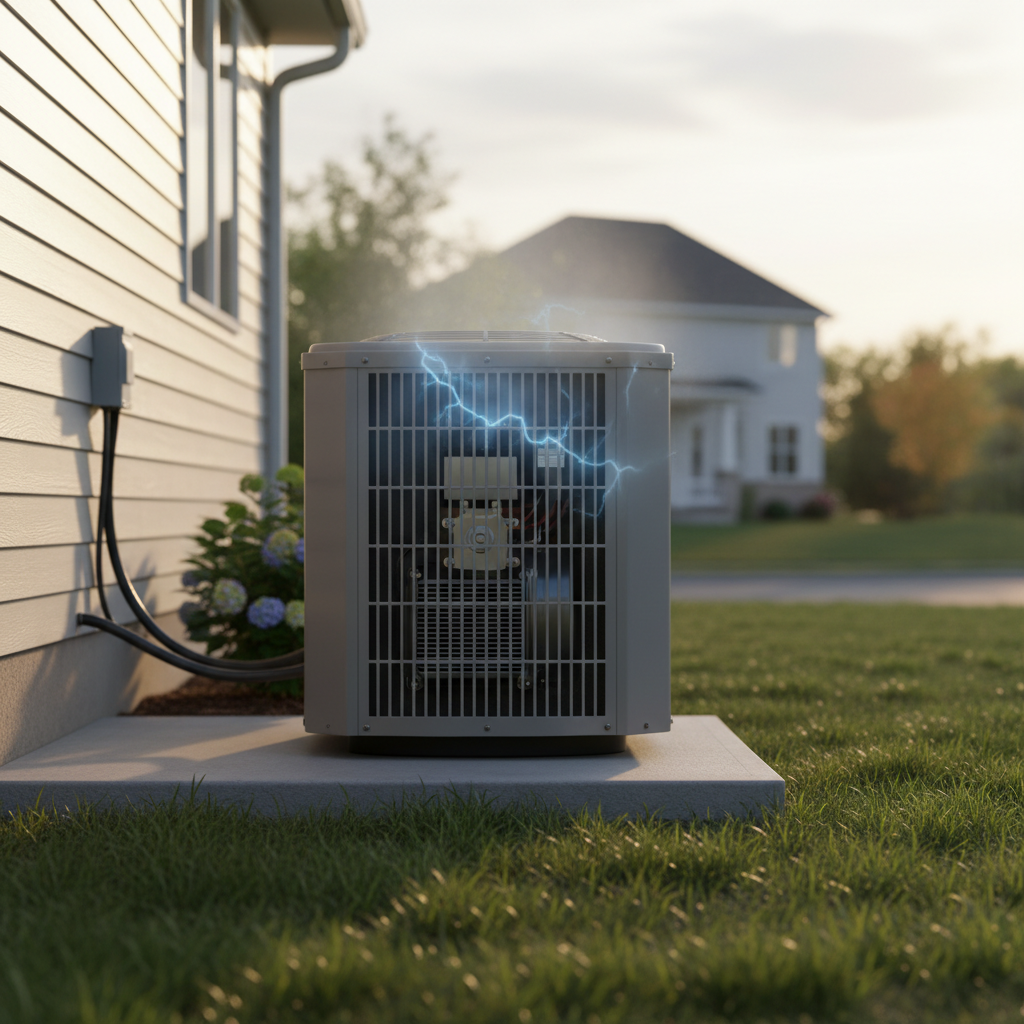
The compressor is often referred to as the “heart” of your air conditioning system. Located in the outdoor unit, its primary role is to pressurize and circulate refrigerant, making it the most expensive and critical component. Short cycling is particularly brutal for this hardworking motor, leading to a cascade of damaging effects that can culminate in its premature failure.
Excessive Wear and Tear from Frequent Start-Ups
|
Our Picks for the Best Air conditioner in 2026
As an Amazon Associate I earn from qualifying purchases.
|
||
| Num | Product | Action |
|---|---|---|
| 1 | 12000 BTU Portable Air Conditioner, 3-in-1 Portable AC Unit with Cooling, Dehumidifier and Fan Modes, Cools Up to 450 Sq.Ft, LED Display Air Conditioners with Window Kit and Remote Control |

|
| 2 | LEVOIT Tower Fan for Bedroom, 90° Oscillating Standing Fan with 28dB Quiet for Sleep, 25ft/s Velocity, 12H Timer, 5 Speeds 4 Modes, Remoter, Bladeless Room Fan for Home, Office, Indoor, 36 inch, White |
|
| 3 | Frigidaire 5,000 BTU Window-Mounted Air Conditioner, Cools Up to 150 Sq. Ft., Quiet Operation, Effortless Temperature Control, 2 Fan Speeds, Auto Restart, White |
|
| 4 | Midea 8,000 BTU U Shaped Smart Inverter Window Air Conditioner - Cools 350 Sq Ft, Ultra Quiet with Open Window Flexibility - Alexa/Google Assistant Compatible - 37% Energy Savings, Remote (Updated) |
|
| 5 | Amazon Basics 6000-BTU Window Air Conditioner with Quiet Operation, Up to 250 Sqf, Cool and Fan Functions, Washable Filter, Adjustable Window Kit, Digital Temperature Display, Remote Control, White |
|
| 6 | Shinco 8,000 BTU Portable Air Conditioner, AC Unit with Built-in Cool, Dehumidifier & Fan Modes for Room up to 350 sq.ft, Conditioner Remote Control, 24 Hour Timer, Installation Kit |
|
| 7 | Feelfunn 8,000 BTU Portable Air Conditioner - 3-in-1 Portable AC Unit for Rooms Up to 350 Sq. Ft., with Remote Control, Cooling, Dehumidifier & Fan Modes, AC Unit for Bedroom, Office, Apartment |
|
| 8 | Midea 12,000 BTU U-Shaped Smart Inverter Window Air Conditioner–Cools up to 550 Sq. Ft., Ultra Quiet with Open Window Flexibility, Compatible with Alexa/Google Assistant, 35% Energy Savings (Renewed) |
|
| 9 | Midea 5,000 BTU EasyCool Small Window Air Conditioner - Cool up to 150 Sq. Ft. with Easy-to-Use Mechanical Controls and Reusable Filter, Perfect for Small Bedroom, Living Room, Home Office |
|
| 10 | Amazon Basics 5000-BTU Window Air Conditioner with Quiet Operation, Up to 150 Sqf, Cool and Fan Functions, Washable Filter, Adjustable Window Kit, Intuitive Mechanical Controls, for Small Room, White |
|
Every time your air conditioner’s compressor starts, it requires a significant surge of electrical power, known as inrush current or locked rotor amps. This initial jolt puts immense mechanical and electrical strain on the motor and its components. Imagine constantly starting and stopping a car engine every few minutes for hours on end; the stress on its parts would be enormous. Similarly, the compressor motor is not designed for such frequent on-off cycles. These repeated, high-stress start-ups accelerate wear and tear on the motor windings, bearings, and other internal mechanisms, drastically shortening its operational lifespan.
Overheating and Electrical Strain
During normal operation, the compressor has sufficient time to cool down between cycles. However, with short cycling, the motor never gets adequate rest. The constant starting and stopping generate excessive heat within the motor windings. Without enough downtime to dissipate this heat, the motor can overheat, leading to insulation breakdown and eventual burnout of the windings. This electrical strain not only damages the compressor itself but can also affect other electrical components, such as capacitors and contactors, which are integral to its operation.
Lubrication Issues and Bearing Failure
The compressor relies on a delicate balance of oil for proper lubrication. Each time the compressor kicks on, oil is circulated throughout the refrigerant system. A full, uninterrupted cooling cycle allows this oil to return to the compressor, ensuring its internal parts remain well-lubricated. When short cycling, the compressor doesn’t run long enough for the oil to complete its cycle and return. This can lead to an oil shortage within the compressor, increasing friction and heat, and ultimately causing premature wear and failure of its bearings and other moving parts.
Pressure Imbalance and Added Resistance
When an AC system operates, refrigerant pressures build up within its components. Upon shutdown, these pressures gradually equalize across the system. For a smooth and efficient restart, the compressor needs this pressure equalization period, which typically takes a few minutes. If the system short cycles and the compressor attempts to restart before these pressures have fully equalized, it has to work against a much higher opposing force. This is akin to trying to push a heavy object uphill from a dead stop – it requires far more effort and puts immense stress on the motor and its components, accelerating internal damage.
The Costly Consequence: Premature Compressor Failure
Given its central role and complex engineering, the compressor is the most expensive single component of an air conditioning system. When it fails due to the stresses of short cycling, replacing it can be so costly that it often makes more financial sense for homeowners to replace the entire AC unit, even if other parts are still functional. Ignoring short cycling doesn’t just lead to discomfort; it directly threatens your investment in home comfort and can lead to significant, unexpected expenses.
Common Causes of AC Short Cycling
Understanding the root causes of short cycling is the first step toward resolving and preventing this issue, protecting your valuable AC compressor.
Airflow Restrictions
One of the most frequent culprits behind short cycling is restricted airflow within the system.
- Clogged Air Filters: A dirty or clogged air filter impedes the flow of air, causing the system to work harder, overheat, and potentially freeze the evaporator coils.
- Blocked Vents or Ducts: Furniture, curtains, or debris blocking supply or return vents can restrict airflow, making it difficult for the AC to distribute cooled air and satisfy the thermostat. Leaky ductwork can also pull in unconditioned air, forcing the system to run longer or short cycle.
- Dirty Evaporator or Condenser Coils: Accumulation of dirt and debris on either the indoor evaporator coil or the outdoor condenser coil hampers efficient heat transfer, stressing the system and leading to premature shutdowns.
Refrigerant Problems
Refrigerant is essential for the cooling process. Issues with its levels can directly cause short cycling.
- Low Refrigerant Levels/Leaks: Insufficient refrigerant, often due to a leak, means the system can’t effectively absorb and release heat, struggling to cool the space and triggering frequent starts and stops.
- Frozen Evaporator Coils: Low refrigerant, combined with airflow issues, can cause the evaporator coils to freeze. When coils freeze, the system’s ability to cool is severely compromised, often leading to short cycling as it attempts to compensate.
Improper System Sizing
An air conditioner that is incorrectly sized for your home’s square footage can lead to short cycling.
- Oversized Unit: An AC unit that is too large for the space it’s cooling will rapidly drop the indoor temperature, satisfy the thermostat too quickly, and then shut off before completing a full dehumidification cycle. This results in frequent, short bursts of operation and a damp, clammy feeling even at cooler temperatures.
Thermostat Malfunctions
The thermostat is the brain of your AC system. Any issues with it can cause erratic behavior.
- Miscalibration or Poor Placement: A faulty or improperly placed thermostat (e.g., near a heat source, in direct sunlight, or a drafty area) can misread the room temperature, sending incorrect signals to the AC unit and causing it to cycle on and off prematurely.
- Faulty Sensors: A malfunctioning temperature sensor within the thermostat can also provide inaccurate readings, leading to inconsistent operation.
Electrical Issues and Component Failure
Problems with the electrical system or specific components can disrupt the AC’s operation.
- Faulty Wiring or Connections: Loose or damaged wiring can interrupt the electrical flow, causing intermittent power to the AC and triggering short cycles.
- Failing Capacitors or Contactors: These electrical components are crucial for starting and running the compressor. If they are weak or failing, the compressor may struggle to start or stop abruptly.
- Faulty Low-Pressure Control Switch: This safety mechanism can malfunction, causing the system to shut down prematurely if it senses abnormally low refrigerant pressure.
How to Diagnose and Prevent AC Short Cycling
Addressing short cycling promptly can save your compressor motor and extend the life of your AC system.
DIY Checks and Maintenance
Before calling a professional, there are several steps you can take to identify and potentially resolve minor issues.
- Replace Air Filters Regularly: Check your air filter every month and replace it every 1-3 months, especially if you have pets or allergies. A clean filter ensures optimal airflow.
- Verify Thermostat Settings and Placement: Ensure your thermostat is set correctly, has fresh batteries, and is located away from direct sunlight, lamps, or heat-generating appliances. Consider upgrading to a programmable or smart thermostat for better control and diagnostic features.
- Clean the Outdoor Condenser Unit: Periodically inspect your outdoor unit. Clear away any leaves, grass clippings, dirt, or other debris that might be blocking the coils or impeding airflow. Gently rinse the coils with a garden hose.
- Thaw Frozen Evaporator Coils: If you notice ice on your indoor evaporator coil, turn off the AC unit immediately to prevent further damage. Set the fan to “on” mode to circulate warm air and help thaw the ice. Once thawed, replace the air filter and check for any airflow obstructions.
When to Call a Professional
While some issues can be addressed by homeowners, many causes of short cycling require expert attention.
- Refrigerant Leaks: Handling refrigerant requires specialized tools and training. If you suspect a leak (e.g., hissing sounds, ice on lines), a certified HVAC technician must locate and repair the leak, then recharge the system.
- System Sizing Assessment: If your AC unit is consistently short cycling despite other fixes, an HVAC professional can perform a load calculation to determine if your unit is properly sized for your home. If not, resizing may be the only long-term solution.
- Complex Electrical Diagnostics: Faulty wiring, failing capacitors, contactors, or control boards are best diagnosed and repaired by a licensed technician to ensure safety and proper function.
- Regular Professional Tune-Ups: Annual maintenance by an HVAC expert can catch potential problems early, clean coils thoroughly, check refrigerant levels, inspect electrical components, and ensure your system is running optimally, preventing short cycling before it starts.
Conclusion
AC short cycling is far more than a minor annoyance; it’s a critical indicator of underlying issues that relentlessly attack the very heart of your air conditioning system: the compressor motor. From the electrical stress of frequent start-ups and the risk of overheating to impaired lubrication and pressure imbalances, each short cycle chips away at the motor’s lifespan. Ignoring this warning sign can lead to significantly higher energy bills, diminished comfort, and ultimately, the premature and costly replacement of your entire AC unit. Proactive maintenance and prompt professional intervention are essential to protect your investment and ensure your home remains a haven of cool, consistent comfort for years to come.
What steps will you take today to ensure your AC system is running efficiently and protect its vital compressor?
Frequently Asked Questions
How long should an AC unit typically run in a single cycle?
A healthy air conditioner usually runs for 15-20 minutes or longer per cycle, especially on hot days, to effectively cool the space and remove humidity. Shorter cycles, particularly those under 10 minutes, are generally considered short cycling.
Can an oversized AC unit always cause short cycling?
Yes, an oversized AC unit is a common cause of short cycling because it cools the space too quickly, satisfying the thermostat before it has had enough time to complete a full cooling and dehumidification cycle. This leads to frequent on-off cycles.
Is it okay to keep running an AC that is short cycling?
It is not advisable to continuously run an AC that is short cycling. Doing so accelerates wear and tear on the compressor motor, significantly increasing the risk of costly damage and premature system failure. It also leads to higher energy bills and inadequate cooling.