Few things are as unsettling as an air conditioner that sounds like it’s fighting itself. While a gentle hum is the expected soundtrack of a well-functioning AC, rattling and buzzing noises signal something amiss. These unwelcome sounds are more than just annoyances; they are often indicators of underlying issues that, if ignored, can lead to more significant damage and costly repairs. Understanding the source of these noises is the first step toward restoring peace and cool comfort to your home.
This comprehensive guide will help you identify the common causes of rattling and buzzing, provide actionable DIY solutions for simple fixes, and clearly outline when it’s essential to call in a professional HVAC technician. Let’s delve into the mechanics of your AC’s distress signals and discover how to quiet the clamor.
Understanding Common AC Noises: Rattling and Buzzing
Ideally, your air conditioner should operate with a consistent, low hum that fades into the background of your daily life. Modern HVAC systems are designed for quiet efficiency, often featuring technologies that dampen sound. Therefore, any loud or disruptive sound, especially one that deviates from the norm, is a clear signal that your unit needs attention. Rattling and buzzing are among the most frequently reported noises, each with distinct potential causes ranging from minor to severe.
A rattling noise often suggests mechanical issues or loose physical components, while a buzzing sound typically points towards electrical problems or vibrations. Distinguishing between a normal operational hum and a problematic noise is crucial for timely intervention.
Decoding the Rattling AC: Causes and Solutions
Rattling sounds in your air conditioner can originate from various parts of the system, both indoor and outdoor. Identifying the specific source is key to finding the right solution.
Loose Components
Over time, the constant vibration of an operating AC unit can cause screws, panels, fan blades, or other internal parts to loosen. When these components are not securely fastened, they can vibrate against the unit’s frame or other parts, producing a distinct rattling sound. This is a common cause of noise and often one of the easiest to fix.
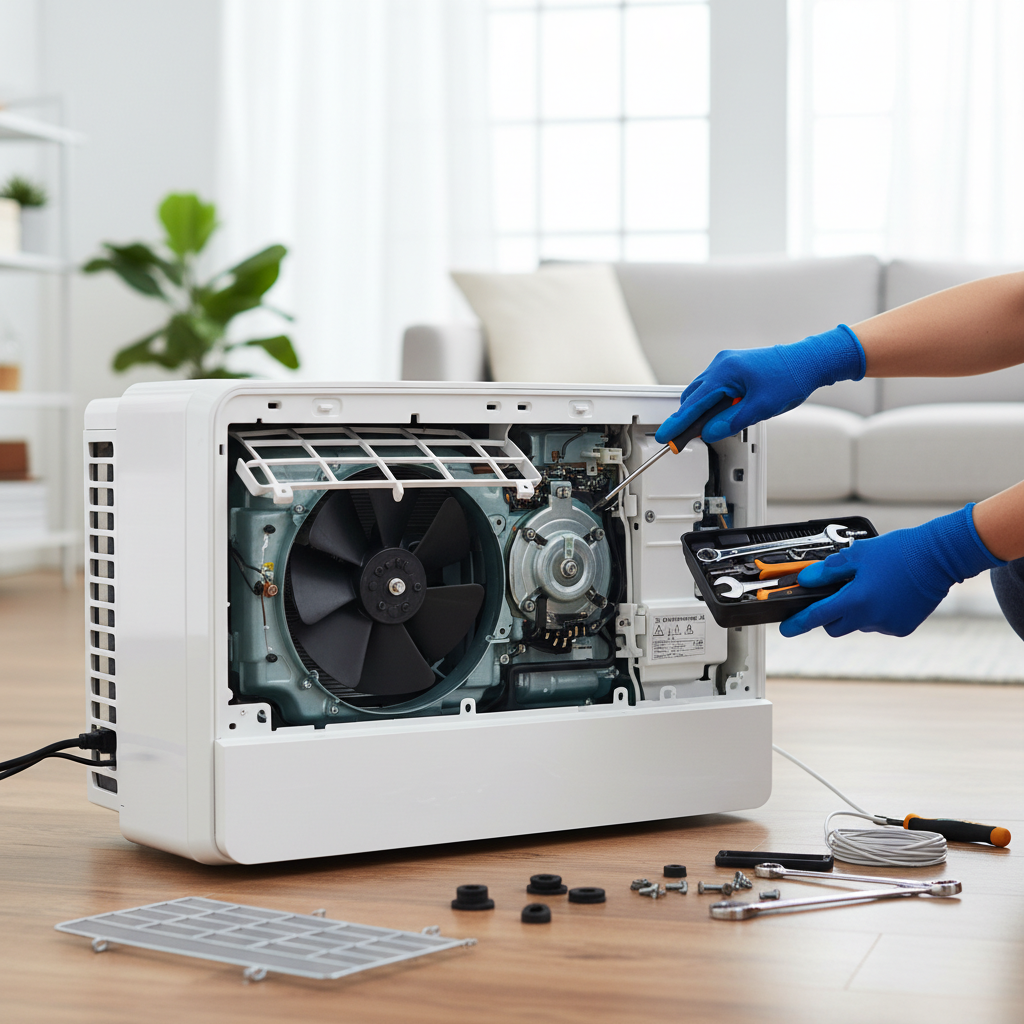
- DIY Fix: Begin by safely shutting off power to your AC unit at the thermostat and the circuit breaker. Carefully inspect the exterior panels of both the indoor and outdoor units for any loose screws. Tighten them gently but firmly. If you can access the internal components (with power still off), check for loose fan blades or other visible parts and secure them.
|
Our Picks for the Best Air conditioner in 2026
As an Amazon Associate I earn from qualifying purchases.
|
||
| Num | Product | Action |
|---|---|---|
| 1 | 12000 BTU Portable Air Conditioner, 3-in-1 Portable AC Unit with Cooling, Dehumidifier and Fan Modes, Cools Up to 450 Sq.Ft, LED Display Air Conditioners with Window Kit and Remote Control |

|
| 2 | Amazon Basics 6000-BTU Window Air Conditioner with Quiet Operation, Up to 250 Sqf, Cool and Fan Functions, Washable Filter, Adjustable Window Kit, Digital Temperature Display, Remote Control, White |
|
| 3 | Shinco 8,000 BTU Portable Air Conditioner, AC Unit with Built-in Cool, Dehumidifier & Fan Modes for Room up to 350 sq.ft, Conditioner Remote Control, 24 Hour Timer, Installation Kit |
|
| 4 | Midea 5,000 BTU EasyCool Small Window Air Conditioner - Cool up to 150 Sq. Ft. with Easy-to-Use Mechanical Controls and Reusable Filter, Perfect for Small Bedroom, Living Room, Home Office |
|
| 5 | Midea 12,000 BTU U-Shaped Smart Inverter Window Air Conditioner–Cools up to 550 Sq. Ft., Ultra Quiet with Open Window Flexibility, Compatible with Alexa/Google Assistant, 35% Energy Savings (Renewed) |
|
| 6 | Amazon Basics 5000-BTU Window Air Conditioner with Quiet Operation, Up to 150 Sqf, Cool and Fan Functions, Washable Filter, Adjustable Window Kit, Intuitive Mechanical Controls, for Small Room, White |
|
| 7 | Frigidaire 5,000 BTU Window-Mounted Air Conditioner, Cools Up to 150 Sq. Ft., Quiet Operation, Effortless Temperature Control, 2 Fan Speeds, Auto Restart, White |
|
| 8 | LEVOIT Tower Fan for Bedroom, 90° Oscillating Standing Fan with 28dB Quiet for Sleep, 25ft/s Velocity, 12H Timer, 5 Speeds 4 Modes, Remoter, Bladeless Room Fan for Home, Office, Indoor, 36 inch, White |
|
| 9 | Midea 8,000 BTU U Shaped Smart Inverter Window Air Conditioner - Cools 350 Sq Ft, Ultra Quiet with Open Window Flexibility - Alexa/Google Assistant Compatible - 37% Energy Savings, Remote (Updated) |
|
| 10 | Feelfunn 8,000 BTU Portable Air Conditioner - 3-in-1 Portable AC Unit for Rooms Up to 350 Sq. Ft., with Remote Control, Cooling, Dehumidifier & Fan Modes, AC Unit for Bedroom, Office, Apartment |
|
Debris Inside the Unit
The outdoor condenser unit is exposed to the elements, making it susceptible to collecting debris like leaves, twigs, small stones, or even pet hair. When the fan operates, these foreign objects can get caught in the fan blades or other moving parts, causing a rattling or scraping noise as they strike against the components.
- DIY Fix: After ensuring the power is completely off, carefully remove the protective grille from your outdoor unit. Visually inspect the inside for any trapped debris. Gently remove any leaves, twigs, or other foreign objects you find. Be cautious around sharp components and the delicate fins.
Ductwork Issues
Sometimes, the rattling sound doesn’t come from the AC unit itself but from your home’s ductwork. Loose or unstable ductwork can vibrate as air flows through it, especially if it’s not properly secured or insulated. This can transmit rattling noises throughout your home.
- DIY Fix: Listen closely to determine if the sound is coming from the AC unit or the ducts. If it’s the latter, inspect accessible sections of your ductwork for loose connections or gaps. You might be able to secure loose sections with duct tape or sheet metal screws. For persistent or widespread duct rattling, professional sealing and securing may be necessary.
Compressor Problems
The compressor is a vital component of your AC system, responsible for circulating refrigerant. If the compressor itself is damaged, has loose internal parts, or is nearing the end of its lifespan, it can produce a rattling or banging sound. This is a more serious issue that usually requires professional attention.
- Professional Required: If the rattling originates from the compressor area, especially if it’s accompanied by other issues like a lack of cooling, it’s best to call a qualified HVAC technician. Attempting to repair a compressor without expertise can be dangerous and cause further damage.
Dirty Air Filter
A clogged or dirty air filter can restrict airflow through your indoor unit. This restriction forces the system to work harder, potentially leading to increased vibration and minor rattling sounds as components strain or air struggles to pass through the filter.
- DIY Fix: Regularly check your air filter. If it appears dirty or clogged, replace it with a clean one. Most manufacturers recommend replacing air filters every 1 to 3 months, depending on usage and household conditions.
Quieting the Buzz: Causes and Solutions for a Buzzing AC
A buzzing sound from your AC often indicates an electrical issue or specific mechanical vibrations. Because electrical components carry high voltage, addressing buzzing noises often requires extra caution or professional help.
Electrical Problems
Buzzing, humming, or intermittent popping sounds are almost always related to an electrical issue within your AC system. This could include loose wiring, faulty capacitors, contactors, or relays. These components control various functions of your AC, and when they malfunction, they can create an audible buzz. HVAC systems typically run on higher voltages (240V or even 480V for larger systems) than standard household outlets, making DIY electrical repairs particularly hazardous.
- Professional Required: Due to the high voltage involved, it is highly recommended to call a professional HVAC technician immediately if you suspect an electrical issue. Homeowners should avoid attempting to fix loose wiring, leaking capacitors, or sputtering motors. The most you should do is safely locate where the buzz originates before calling for service.
Obstructed or Touching Copper Lines
The copper refrigerant lines that connect your indoor and outdoor units can sometimes be the source of a buzzing sound. This can happen if the lines become obstructed, if they are touching each other, or if they are vibrating against another part of the unit or the house structure.
- DIY/Pro Fix: Visually inspect the copper lines for any obstructions or areas where they might be touching. If possible, gently adjust them so they are not in contact, or add insulation or padding between them to dampen vibrations. If the lines appear significantly damaged or corroded, a professional will need to assess and repair them.
Faulty Blower Fan Motor
If your indoor unit (often located in an attic or basement) is emitting a buzzing sound, especially one that gets louder when you go upstairs or closer to the unit, it might indicate a faulty blower fan motor. This could be due to worn bearings or an issue with the motor itself.
- DIY/Pro Fix: Some homeowners with mechanical aptitude might attempt to lubricate blower motor bearings if they are accessible and have oil ports. This typically involves safely powering down the unit, removing the blower assembly, adding a few drops of light machine oil to the ports, and then reassembling. However, if the motor itself is failing, replacement by a professional is usually necessary.
“Many AC noises are early warning signs. Addressing them promptly can save you from more extensive and expensive repairs down the line.” – John Doe, Master HVAC Technician
When to Call a Professional HVAC Technician
While some AC noises can be resolved with simple DIY fixes, many require the expertise of a professional HVAC technician. Knowing when to call a pro is crucial for both your safety and the longevity of your system.
Call a technician if you experience any of the following:
- Persistent or Worsening Noise: If rattling or buzzing continues after you’ve attempted basic DIY checks and fixes, it’s time for professional help.
- Compressor-Related Noises: Any rattling or banging specifically from the compressor area often indicates a serious internal issue that requires specialized repair.
- Electrical Concerns: Buzzing sounds linked to loose wiring, burning smells, tripping breakers, or any visible electrical component damage should always be handled by an expert due to safety risks.
- Associated Problems: If the noise is accompanied by strange odors, poor airflow, a lack of cooling, or water leaks, it suggests a more complex problem.
- Beyond Your Comfort Level: If you’re unsure about the cause of the noise or uncomfortable performing a DIY fix, it’s always safer to rely on a trained professional.
Preventing Future AC Noises: Maintenance Tips
Proactive maintenance is the best defense against disruptive AC noises and costly repairs. By implementing a few simple practices, you can significantly extend the life of your unit and keep it running quietly.
- Schedule Regular Professional Tune-Ups: Annual or bi-annual professional maintenance by an HVAC technician ensures your system is thoroughly inspected, cleaned, and any potential issues are caught early. They can tighten loose components, lubricate moving parts, and address minor wear and tear before it leads to noise or breakdown.
- Keep the Outdoor Unit Clear: Regularly clear away leaves, grass clippings, weeds, and other debris from around your outdoor condenser unit. Maintaining a clear perimeter (at least two feet) helps prevent objects from entering the unit and causing damage or noise.
- Replace Air Filters Routinely: A clean air filter is essential for efficient airflow and system performance. Replace disposable filters every 1-3 months, or clean reusable ones as recommended by the manufacturer. This prevents strain on the blower motor and ensures proper air circulation.
- Consider Sound Dampening Solutions: If your indoor unit or ductwork causes excessive vibration, especially if it’s in an attic or utility closet, you can add sound-absorbing mats or foam insulation around the unit or ducts to reduce noise transmission.
Conclusion
An air conditioner making rattling or buzzing noises is a clear signal that something within the system requires attention. While minor issues like loose panels or trapped debris can often be resolved with simple DIY efforts, more complex problems such as electrical malfunctions or compressor failures demand the expertise of a professional HVAC technician. Prioritizing timely diagnosis and repair not only restores your home’s comfort but also safeguards your investment by preventing minor issues from escalating into major system failures.
Don’t let unusual AC noises disrupt your peace of mind or compromise your system’s efficiency. By understanding the common causes and knowing when to take action, you can ensure your air conditioner operates smoothly and quietly for years to come. What steps will you take today to address your AC’s noisy complaints?
Frequently Asked Questions
Is a little AC noise normal?
A consistent, low hum during operation is generally normal for an AC unit. However, any loud, intermittent, or unusual sounds like rattling, buzzing, banging, or screeching are not normal and usually indicate an issue that needs investigation.
Can I ignore AC rattling?
Ignoring AC rattling is not advisable. While some rattles might be minor, they often indicate loose components, debris, or more serious internal issues that can worsen over time, potentially leading to increased damage, reduced efficiency, and more costly repairs.
How often should I change my AC filter to prevent noise?
You should typically change your AC filter every 1 to 3 months. A dirty filter can restrict airflow, causing your system to work harder, which can lead to increased vibration and potential rattling or buzzing noises from strained components.
What does a buzzing sound in my AC mean?
A buzzing sound from your AC unit most commonly indicates an electrical issue, such as loose wiring, a faulty capacitor, a failing contactor, or a problematic fan motor. Due to the high voltage involved, electrical buzzing usually requires professional diagnosis and repair.