As summer temperatures climb and energy prices continue to fluctuate, finding an air conditioning system that keeps your home cool without draining your wallet is more critical than ever. The solution lies in choosing an ENERGY STAR certified air conditioner. These units are designed to operate with superior efficiency, translating directly into significant savings on your monthly electric bills. This comprehensive guide will walk you through everything you need to know, from understanding efficiency ratings and types of ACs to identifying top models and maximizing their energy-saving potential.
Understanding ENERGY STAR Air Conditioners
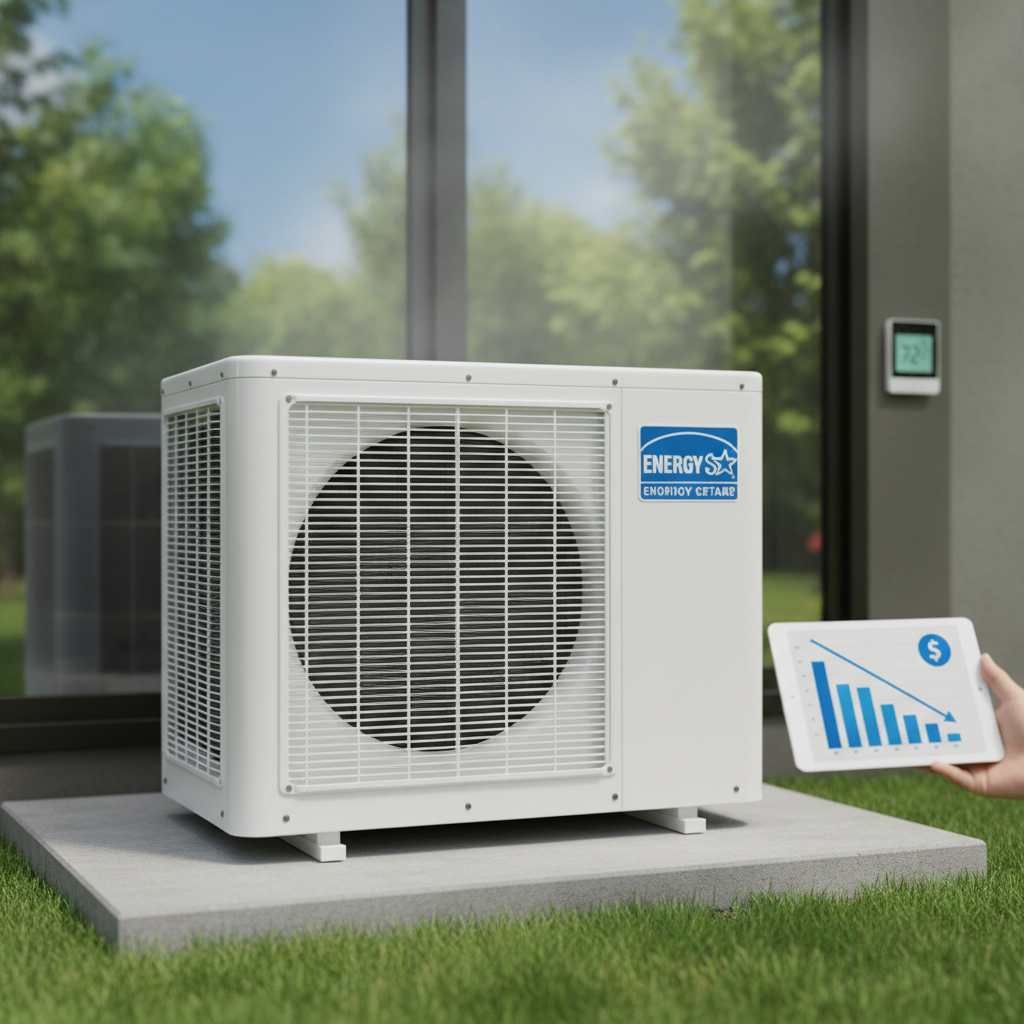
An ENERGY STAR certified air conditioner isn’t just another cooling unit; it’s a commitment to energy efficiency. This certification, backed by the U.S. Environmental Protection Agency, signifies that a product meets strict guidelines for energy-efficient operation. For air conditioners, this means they consume less electricity to deliver the same cooling power as conventional models, making them a smart investment for both your comfort and your finances.
The primary reason ENERGY STAR ACs matter for your bills is their ability to reduce energy consumption. While they might have a higher upfront cost, the long-term savings on electricity can quickly offset this initial investment. These savings are measured through various efficiency ratings:
- SEER (Seasonal Energy Efficiency Ratio): This rating measures an AC unit’s cooling output over a typical cooling season divided by the energy it consumes in Watt-Hours during the same period. A higher SEER rating indicates greater efficiency.
- SEER2: A newer standard, SEER2 provides a more accurate representation of an AC’s real-world efficiency by accounting for external static pressure on the system’s ductwork. A higher SEER2 also means better energy performance.
- EER (Energy Efficiency Ratio): The EER measures an AC’s cooling capacity (in BTUs) divided by its power input (in watts) at a specific outdoor temperature (95°F/35°C). It’s useful for comparing peak efficiency.
- CEER (Combined Energy Efficiency Ratio): Specifically used for room air conditioners (like window units), CEER reflects the unit’s energy efficiency during operation combined with the power consumed while in standby mode. A higher CEER suggests superior overall efficiency for room units.
Key Factors to Consider When Buying an ENERGY STAR AC
Selecting the ideal energy-efficient air conditioner involves more than just picking the one with the highest efficiency rating. Several critical factors must be evaluated to ensure you choose a unit that perfectly matches your home’s needs and delivers optimal savings.
Sizing and Capacity (BTU)
|
Our Picks for the Best Air conditioner in 2026
As an Amazon Associate I earn from qualifying purchases.
|
||
| Num | Product | Action |
|---|---|---|
| 1 | Amazon Basics 5000-BTU Window Air Conditioner with Quiet Operation, Up to 150 Sqf, Cool and Fan Functions, Washable Filter, Adjustable Window Kit, Intuitive Mechanical Controls, for Small Room, White |

|
| 2 | Shinco 8,000 BTU Portable Air Conditioner, AC Unit with Built-in Cool, Dehumidifier & Fan Modes for Room up to 350 sq.ft, Conditioner Remote Control, 24 Hour Timer, Installation Kit |
|
| 3 | Amazon Basics 6000-BTU Window Air Conditioner with Quiet Operation, Up to 250 Sqf, Cool and Fan Functions, Washable Filter, Adjustable Window Kit, Digital Temperature Display, Remote Control, White |
|
| 4 | Midea 12,000 BTU U-Shaped Smart Inverter Window Air Conditioner–Cools up to 550 Sq. Ft., Ultra Quiet with Open Window Flexibility, Compatible with Alexa/Google Assistant, 35% Energy Savings (Renewed) |
|
| 5 | Midea 5,000 BTU EasyCool Small Window Air Conditioner - Cool up to 150 Sq. Ft. with Easy-to-Use Mechanical Controls and Reusable Filter, Perfect for Small Bedroom, Living Room, Home Office |
|
| 6 | Midea 8,000 BTU U Shaped Smart Inverter Window Air Conditioner - Cools 350 Sq Ft, Ultra Quiet with Open Window Flexibility - Alexa/Google Assistant Compatible - 37% Energy Savings, Remote (Updated) |
|
| 7 | LEVOIT Tower Fan for Bedroom, 90° Oscillating Standing Fan with 28dB Quiet for Sleep, 25ft/s Velocity, 12H Timer, 5 Speeds 4 Modes, Remoter, Bladeless Room Fan for Home, Office, Indoor, 36 inch, White |
|
| 8 | Feelfunn 8,000 BTU Portable Air Conditioner - 3-in-1 Portable AC Unit for Rooms Up to 350 Sq. Ft., with Remote Control, Cooling, Dehumidifier & Fan Modes, AC Unit for Bedroom, Office, Apartment |
|
| 9 | Frigidaire 5,000 BTU Window-Mounted Air Conditioner, Cools Up to 150 Sq. Ft., Quiet Operation, Effortless Temperature Control, 2 Fan Speeds, Auto Restart, White |
|
| 10 | 12000 BTU Portable Air Conditioner, 3-in-1 Portable AC Unit with Cooling, Dehumidifier and Fan Modes, Cools Up to 450 Sq.Ft, LED Display Air Conditioners with Window Kit and Remote Control |
|
The cooling capacity of an air conditioner is measured in British Thermal Units (BTU). Choosing the right BTU for your space is paramount for efficiency. An air conditioner that is too small will struggle to cool the room effectively and run constantly, wasting energy. Conversely, an oversized unit will cool the space too quickly, leading to frequent on/off cycling. This short-cycling wastes energy, prevents proper dehumidification, and can leave your home feeling damp and uncomfortable.
To determine the appropriate BTU, consider your room’s square footage, ceiling height, insulation quality, window exposure, and the number of occupants. General guidelines suggest 15 to 20 BTUs per square foot, but a professional assessment can provide a more precise calculation.
Types of Air Conditioners
Different home layouts and cooling needs call for different types of air conditioning units, each with its own energy-efficient options:
- Central Air Conditioners: Ideal for whole-home cooling, these systems distribute conditioned air through a network of ducts. ENERGY STAR central ACs are highly efficient, often featuring high SEER ratings and advanced technologies for consistent comfort throughout your entire living space.
- Ductless Mini-Split Air Conditioners: Perfect for zoning or homes without existing ductwork, mini-splits provide targeted cooling to individual rooms or areas. They are highly efficient, often boasting impressive SEER ratings and offering multi-zone control, which can save energy by only cooling occupied spaces.
- Window-Mounted Air Conditioners: A flexible and often budget-friendly solution for cooling single rooms. Many ENERGY STAR window units now come with inverter technology and high CEER ratings, making them surprisingly efficient for localized cooling.
- Portable Air Conditioners: Offering mobility and temporary cooling, portable ACs are suitable for renters or situations where permanent installation isn’t feasible. Look for models with high EER ratings to ensure you’re getting the most efficient use of energy for this type of unit.
- Heat Pumps: These versatile systems provide both heating and cooling, making them an excellent year-round energy-efficient choice, especially in moderate climates. ENERGY STAR certified heat pumps can significantly reduce electricity use compared to electric resistance heating.
Advanced Technologies and Features
Modern ENERGY STAR air conditioners are equipped with a suite of technologies designed to enhance efficiency and comfort:
- Inverter/Variable-Speed Compressors: This is perhaps the most significant advancement in AC efficiency. Instead of cycling on and off at full power, variable-speed compressors can adjust their output in small increments to precisely match the cooling demand. This continuous, low-power operation leads to substantial energy savings, sometimes up to 43% compared to single-stage units.
- Smart Thermostats & Sensors: Seamlessly integrating with your home’s network, smart thermostats allow for remote control via smartphone, learning your preferences, and optimizing cooling schedules. Some units feature occupancy sensors that detect when a room is empty and adjust cooling accordingly, preventing energy waste.
- Enhanced Filtration: Multi-stage filtration systems not only improve indoor air quality but also maintain the unit’s efficiency by preventing dust and debris from accumulating on coils, which can impede heat transfer.
- Low Standby Power: Even when “off,” some appliances draw power. ENERGY STAR units are designed to minimize standby power consumption, reducing wasted electricity.
- Quiet Operation: Advanced sound-reducing technologies, like those found in the HEIL Quiet Comfort Series, ensure that high efficiency doesn’t come at the cost of peace and quiet.
Brand Reputation and Warranty
Investing in an energy-efficient AC is a long-term decision. Therefore, choosing a reputable brand known for quality and customer service is crucial. Brands like Lennox, Trane, Carrier, Daikin, Mitsubishi, and Amana are frequently cited for their innovative and reliable ENERGY STAR offerings. Additionally, pay close attention to the warranty. Units with extended compressor coverage (e.g., 10+ years) often maintain their efficiency ratings longer, ensuring sustained energy savings throughout the system’s lifespan.
Top ENERGY STAR AC Models for Significant Savings
Choosing an ENERGY STAR certified air conditioner is a powerful step toward lower electric bills and enhanced home comfort. Here’s a look at some of the top models across different categories, celebrated for their efficiency and smart features.
| Model | Type | SEER/CEER Rating | Key Energy-Saving Features | Suitability |
|---|---|---|---|---|
| Carrier Infinity 26 | Central AC | 26 SEER | Five-stage operation, Weather-based control | Large Homes, Max Efficiency |
| Daikin DX20VC | Central AC | 23.5 SEER | Variable-speed inverter, Smart scheduling | Smart Home Integration |
| Trane XV20i | Central AC | 22 SEER | Adaptive start-up, All-weather protection | Harsh Climates |
| Lennox XC25 | Central AC | Up to 23.5 SEER | Variable-capacity compressor, SilentComfort | High Efficiency Central |
| LG LS120HEV5 | Central AC | 20 SEER | Dual temperature/humidity sensors, WiFi | Balanced Comfort/Value |
| Mitsubishi MSZ-GL Series | Mini-Split | 21 SEER | Ceramic-coated parts, Multi-room control | Targeted/Zone Cooling |
| Senville LETO Series | Mini-Split | 20.8 SEER2 | Inverter technology, Ductless installation | Small Spaces, Additions |
| Midea 10,000 BTU U-Shaped | Window AC | 15 CEER | Smart home connectivity, Inverter | Overall Best Window |
| Friedrich Kühl+ Smart | Window AC | 20 SEER (approx) | Ultra-low standby power, Load detection | Budget-Efficient Window |
| LG Portable (LP0621WSR) | Portable AC | High EER | Efficient for small rooms, Quiet | Budget Portable |
Central AC Highlights:
- Carrier Infinity 26: Leading the pack with an impressive 26 SEER rating, this unit offers multi-stage cooling that adapts to weather patterns, providing exceptional efficiency and quiet operation for larger homes.
- Daikin DX20VC: With a 23.5 SEER, the Daikin DX20VC integrates seamlessly with smart home systems and uses a variable-speed inverter that adjusts power in tiny increments, ensuring you only pay for the cooling you need.
- Trane XV20i: Engineered for resilience, the Trane XV20i boasts a 22 SEER rating and a smooth start-up feature that avoids power surges. Its robust, all-weather cabinet ensures consistent efficiency even in extreme conditions.
- Lennox XC25: Known for its high efficiency and quiet operation, the Lennox XC25 features a variable-capacity compressor that can achieve SEER ratings up to 23.5, delivering optimal cooling and significant energy savings.
- LG LS120HEV5 & Rheem Prestige Series: These central systems offer solid performance around 20-20.5 SEER. The LG unit tracks heat and humidity independently for optimal comfort, while the Rheem Prestige includes self-diagnostic features to proactively maintain peak efficiency.
Mini-Split AC Highlights:
- Mitsubishi MSZ-GL Series: Ideal for targeted cooling, these mini-split units excel in multi-room control, allowing you to cool specific areas instead of the entire house, greatly reducing wasted energy.
- Senville LETO Series: This mini-split system, with a 20.8 SEER2 rating for its 12,000 BTU model, offers high energy efficiency for smaller spaces and homes without ductwork, providing flexible installation options.
Window AC Highlights:
- Midea 10,000 BTU U-Shaped Smart Inverter Window Air Conditioner: This innovative window unit boasts a 15 CEER rating and smart home connectivity. Its unique U-shaped design allows you to open your window even when installed, offering both convenience and superior efficiency.
- Friedrich Kühl+ Smart: Known for its minimal standby power consumption, the Kühl+ Smart features load-sensing technology to prevent energy spikes. It’s an excellent choice for budget-conscious buyers seeking reliable window unit efficiency.
Portable AC Highlights:
- LG Portable Air Conditioner (LP0621WSR): For those needing a flexible, temporary cooling solution, this LG portable unit is recommended for its affordability and efficiency in smaller rooms (up to 250 square feet), running quietly while consuming minimal power.
Your Comprehensive Buying Guide to ENERGY STAR ACs
Navigating the world of air conditioners can be complex, but with the right approach, you can confidently select an ENERGY STAR unit that provides optimal comfort and maximizes your energy savings.
Assess Your Cooling Needs
Before you even start looking at models, take a thorough inventory of your cooling requirements.
- Room Size: Accurately measure the square footage of the space(s) you intend to cool. This is the foundation for determining the correct BTU capacity. An incorrectly sized unit is the biggest culprit for inefficiency.
- Local Climate: Consider your regional climate. Do you experience extreme heat, high humidity, or both? Some units excel at dehumidification or maintaining efficiency in harsh conditions.
- Usage Patterns: How often will the AC be used? Are you cooling a single room intermittently, or do you need a whole-home solution running daily? The number of occupants and heat-generating appliances in the room also play a role.
Research and Compare
Once you understand your needs, dive into research, but look beyond just the initial price tag.
- Efficiency Ratings: Prioritize units with high SEER, SEER2, EER, or CEER ratings. These numbers are direct indicators of long-term energy savings.
- Technology and Features: Compare inverter technology, smart home integration, noise levels, and advanced filtration systems. Consider which features will genuinely enhance your comfort and savings.
- Reviews and Certifications: Read user reviews and look for additional certifications beyond ENERGY STAR, such as those from reputable consumer organizations. Always verify that the model is indeed ENERGY STAR certified.
- Long-Term Costs: Factor in the unit’s estimated annual operating cost, not just its purchase price. A slightly more expensive, higher-efficiency model can pay for itself in a few years through lower electric bills.
Professional Installation and Setup
Even the most energy-efficient AC unit can perform poorly if not installed correctly.
- Expertise is Key: Always opt for professional installation, especially for central and mini-split systems. Certified technicians ensure the unit is properly sized, positioned, and calibrated.
- Ductwork and Sealing: For central ACs, ensure your ductwork is properly sealed and sized. Mismatched or leaky ducts can waste up to 30% more energy. Professionals will check refrigerant levels and ensure all components are functioning optimally.
Maintenance for Lasting Efficiency
Regular maintenance is vital for preserving your AC’s efficiency and extending its lifespan.
- Filter Changes: Change or clean your air filters every 1 to 3 months, or more frequently if you have pets or allergies. Clogged filters restrict airflow, making the unit work harder and consume more energy.
- Coil Cleaning: Annually, have a professional clean the evaporator and condenser coils. Dirty coils significantly reduce heat transfer efficiency.
- Annual Tune-Ups: Schedule a professional maintenance check-up once a year. Technicians can identify potential issues, check refrigerant levels, and ensure your system is running at peak performance.
Practical Tips for Maximizing Your AC’s Energy Savings
Beyond choosing an ENERGY STAR certified unit, how you operate and maintain your air conditioner significantly impacts your electric bills. Implement these practical tips to squeeze every drop of efficiency out of your system.
- Optimize Thermostat Settings: Set your thermostat to the highest comfortable temperature in summer, typically around 78°F (25.5°C) when home. Use a smart thermostat to program higher temperatures when you’re away or sleeping, allowing the system to learn your preferences and adjust automatically for maximum savings. Each degree you raise the thermostat can save 3-5% on cooling costs.
- Seal Your Home: Prevent cold air from escaping and hot air from entering. Ensure windows and doors are tightly closed when the AC is running. Seal any cracks or gaps around windows and doors with caulk or weatherstripping. Improve insulation in your attic and walls, which can drastically reduce the workload on your AC.
- Strategic Fan Use: Ceiling fans can make a room feel 4-7 degrees cooler without actually lowering the temperature. Use them in conjunction with your AC, allowing you to set your thermostat a few degrees higher while still feeling comfortable. Remember to turn fans off when leaving a room, as they cool people, not spaces.
- Regular Cleaning: Beyond changing filters, keep the outdoor condenser unit clear of debris, dirt, and foliage. Ensure at least two feet of clear space around the unit for optimal airflow. Clean the coils regularly to prevent efficiency loss.
- Shade Your Home: Block direct sunlight from entering your home by closing blinds, curtains, or installing awnings during the hottest parts of the day. Planting trees or shrubs strategically can also provide natural shading, reducing heat gain through walls and windows.
“Many homeowners focus solely on BTU, but the real magic of energy savings in modern ACs lies in variable-speed compressors and smart controls. These features adapt to your actual needs, often delivering better real-world savings than a high SEER rating alone.” – John Doe, HVAC Systems Engineer
Conclusion
Investing in an ENERGY STAR certified air conditioner is one of the smartest decisions you can make for your home and your wallet. By understanding key efficiency metrics like SEER2 and CEER, choosing the right type and size of unit, and leveraging advanced technologies like variable-speed compressors and smart thermostats, you can significantly reduce your electricity bills. Remember that proper installation and consistent maintenance are equally crucial to ensuring your system delivers lasting comfort and maximum energy savings. With the right ENERGY STAR AC and smart usage habits, you’re not just cooling your home; you’re investing in a more sustainable and cost-effective future.
What steps will you take today to make your home’s cooling more energy-efficient?
Frequently Asked Questions
What are the best energy-efficient AC units for 2024/2025?
For central systems, the Carrier Infinity 26 (26 SEER) and Daikin DX20VC (23.5 SEER) are top contenders. For mini-splits, the Mitsubishi MSZ-GL Series and Senville LETO Series are excellent. The Midea U-Shaped Smart Inverter is a leading window AC, while the LG Portable (LP0621WSR) offers budget-friendly portable efficiency.
How do SEER and SEER2 ratings impact energy bills?
SEER and SEER2 ratings are crucial for assessing an AC unit’s efficiency over a cooling season. A higher rating indicates that the unit can deliver more cooling output per unit of energy consumed, directly translating to lower electricity bills over time compared to lower-rated models.
Is an ENERGY STAR AC worth the higher initial cost?
Yes, an ENERGY STAR AC is generally worth the higher initial investment. While the upfront price might be slightly more, the long-term energy savings, sometimes reducing electric bills by 10-20% or more, quickly offset this cost. These units are also often more durable and provide superior comfort.
What is inverter technology and how does it save energy?
Inverter technology utilizes a variable-speed compressor, allowing the AC unit to adjust its cooling output precisely to match the room’s needs. Instead of cycling on and off at full power, it runs continuously at lower, more efficient speeds. This reduces energy waste, improves temperature consistency, and leads to significant energy savings.
How often should I maintain my energy-efficient AC?
To maintain peak efficiency, change or clean your air filters every 1 to 3 months. Additionally, schedule a professional tune-up and coil cleaning once a year, ideally before the start of the cooling season. Regular maintenance ensures optimal performance and prevents costly breakdowns.
Can I use a smart thermostat with any ENERGY STAR AC?
Most modern ENERGY STAR AC units are compatible with smart thermostats, allowing for enhanced control, scheduling, and energy optimization features. However, it’s always recommended to check the specific compatibility between your chosen AC model and the smart thermostat to ensure seamless integration.