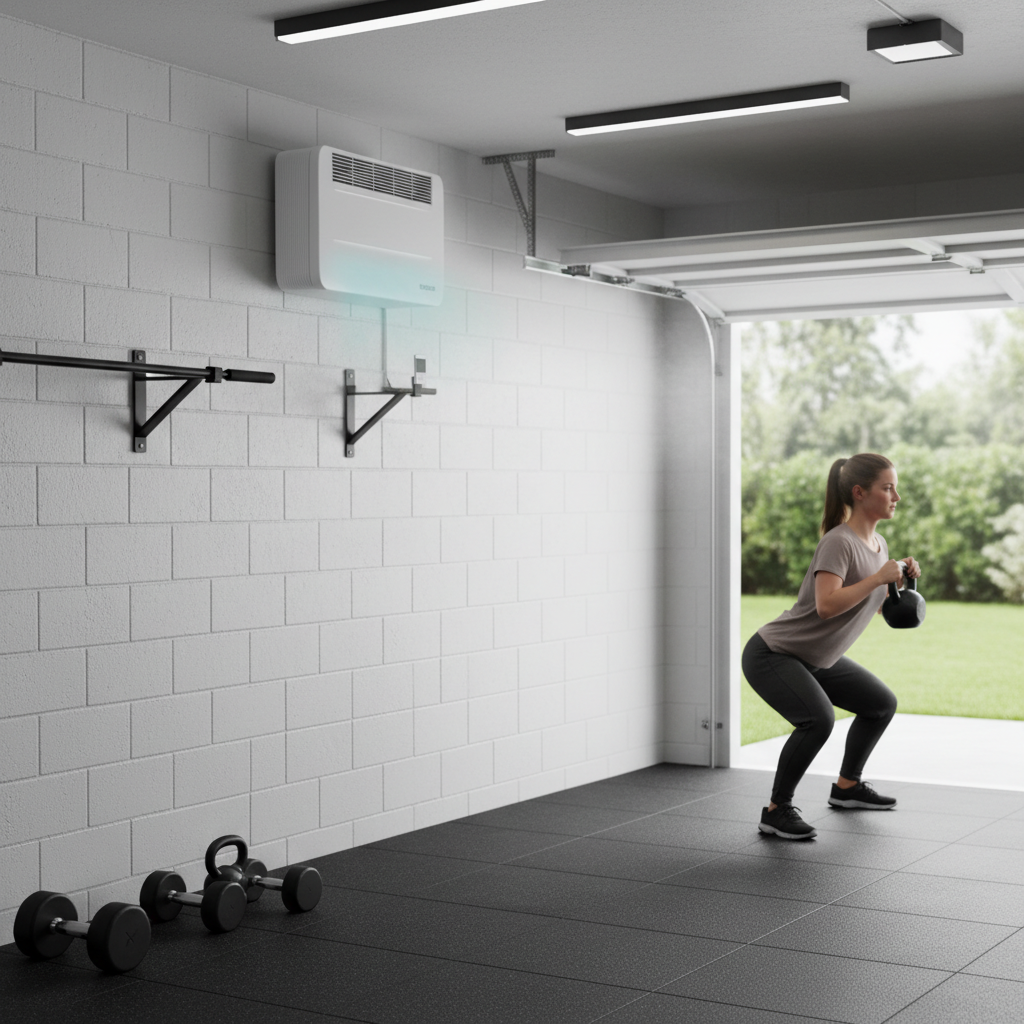
Transforming a garage into a dedicated home gym offers unparalleled convenience, but battling extreme temperatures and stagnant air can quickly derail your fitness goals. Traditional garages are rarely built for comfort, becoming sweltering in summer, freezing in winter, and prone to humidity year-round. This is where a ductless mini-split system emerges as the ultimate solution, providing precise, efficient climate control that creates an optimal training environment. Forget bulky window units or inefficient space heaters; a well-chosen mini-split can make your garage gym a sanctuary for serious workouts, ensuring consistent comfort and protecting your valuable equipment.
Overview of Ductless Mini-Split Systems
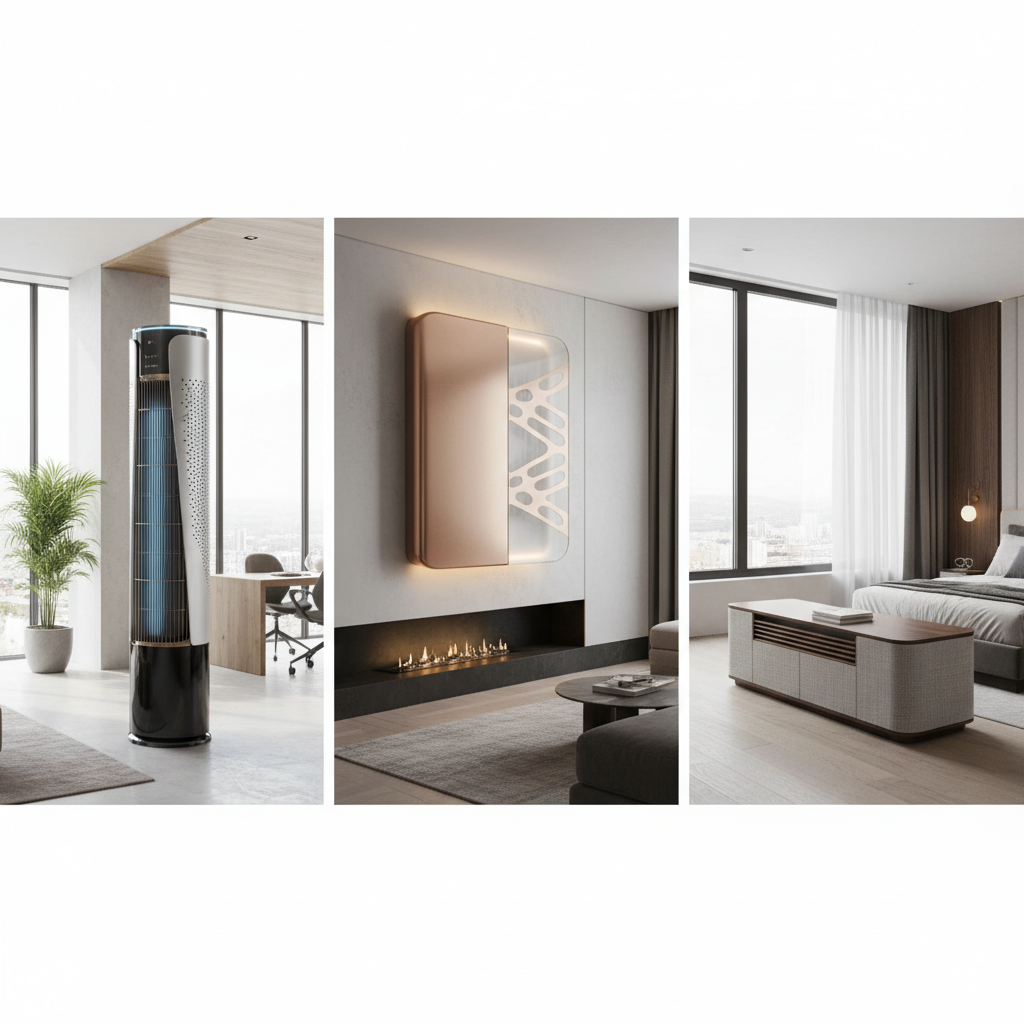
Ductless mini-split systems are highly efficient heating and cooling solutions that offer zoned climate control without the need for extensive ductwork. Comprising an outdoor compressor/condenser and one or more indoor air-handling units, they transfer heat rather than generating it, making them incredibly energy-efficient.
The concept of split air conditioning dates back decades, with modern ductless technology gaining widespread popularity for its flexibility and efficiency. Unlike central HVAC systems that cool an entire home, mini-splits allow you to control the temperature in individual zones, such as your garage.
For garage gyms, the most common type is the wall-mounted ductless mini-split. These units are sleek, unobtrusive, and save valuable floor space, making them ideal for areas where every square foot counts for equipment and movement. They offer quiet operation, ensuring your focus remains on your workout, not on disruptive machinery. Beyond wall mounts, other types like ceiling cassettes or floor-standing units exist, but wall-mounted options generally offer the best balance of performance, installation ease, and space efficiency for a garage gym.
Key Factors When Buying a Ductless Mini-Split for Your Garage Gym
Choosing the right mini-split for your garage gym involves careful consideration of several critical factors to ensure effective and efficient climate control.
Capacity (BTU)
British Thermal Unit (BTU) is the primary measurement of a mini-split’s heating and cooling capacity. Selecting the correct BTU is paramount; an undersized unit will struggle to maintain comfort, while an oversized one will “short-cycle” – turning on and off too frequently – leading to poor dehumidification, temperature swings, and wasted energy.
To calculate the appropriate BTU for your garage gym, start with general guidelines based on square footage:
- 1-car garage (200–400 sq ft): Typically requires 9,000–12,000 BTU.
- 2-car garage (400–600 sq ft): Generally needs 12,000–18,000 BTU.
- 3-car garage (600–800 sq ft): Often best served by 18,000–24,000 BTU.
However, these are starting points. Crucial adjustments must be made:
- Insulation: If your garage has poor or no insulation, add 30–50% more BTUs. Well-insulated garages can opt for the lower end of the range. Improving insulation first can significantly reduce the required BTU.
- Ceiling Height: For ceilings above 8 feet, increase BTUs by multiplying by a factor (e.g., 1.1 for 10 ft, 1.2 for 11 ft).
- Windows and Doors: Large windows or frequently opened garage doors can increase heat transfer, requiring additional capacity.
- Heat Sources: Workout intensity, multiple users, and other heat-generating equipment (like a mini-fridge or large speakers) can add load, potentially requiring an extra 400 BTU per person.
|
Our Picks for the Best Air conditioner in 2026
As an Amazon Associate I earn from qualifying purchases.
|
||
| Num | Product | Action |
|---|---|---|
| 1 | 12000 BTU Portable Air Conditioner, 3-in-1 Portable AC Unit with Cooling, Dehumidifier and Fan Modes, Cools Up to 450 Sq.Ft, LED Display Air Conditioners with Window Kit and Remote Control |

|
| 2 | Midea 12,000 BTU U-Shaped Smart Inverter Window Air Conditioner–Cools up to 550 Sq. Ft., Ultra Quiet with Open Window Flexibility, Compatible with Alexa/Google Assistant, 35% Energy Savings (Renewed) |
|
| 3 | Midea 8,000 BTU U Shaped Smart Inverter Window Air Conditioner - Cools 350 Sq Ft, Ultra Quiet with Open Window Flexibility - Alexa/Google Assistant Compatible - 37% Energy Savings, Remote (Updated) |
|
| 4 | LEVOIT Tower Fan for Bedroom, 90° Oscillating Standing Fan with 28dB Quiet for Sleep, 25ft/s Velocity, 12H Timer, 5 Speeds 4 Modes, Remoter, Bladeless Room Fan for Home, Office, Indoor, 36 inch, White |
|
| 5 | Frigidaire 5,000 BTU Window-Mounted Air Conditioner, Cools Up to 150 Sq. Ft., Quiet Operation, Effortless Temperature Control, 2 Fan Speeds, Auto Restart, White |
|
| 6 | Amazon Basics 6000-BTU Window Air Conditioner with Quiet Operation, Up to 250 Sqf, Cool and Fan Functions, Washable Filter, Adjustable Window Kit, Digital Temperature Display, Remote Control, White |
|
| 7 | Shinco 8,000 BTU Portable Air Conditioner, AC Unit with Built-in Cool, Dehumidifier & Fan Modes for Room up to 350 sq.ft, Conditioner Remote Control, 24 Hour Timer, Installation Kit |
|
| 8 | Amazon Basics 5000-BTU Window Air Conditioner with Quiet Operation, Up to 150 Sqf, Cool and Fan Functions, Washable Filter, Adjustable Window Kit, Intuitive Mechanical Controls, for Small Room, White |
|
| 9 | Feelfunn 8,000 BTU Portable Air Conditioner - 3-in-1 Portable AC Unit for Rooms Up to 350 Sq. Ft., with Remote Control, Cooling, Dehumidifier & Fan Modes, AC Unit for Bedroom, Office, Apartment |
|
| 10 | Midea 5,000 BTU EasyCool Small Window Air Conditioner - Cool up to 150 Sq. Ft. with Easy-to-Use Mechanical Controls and Reusable Filter, Perfect for Small Bedroom, Living Room, Home Office |
|
Choosing the right capacity is essential not just for comfort but also for maximizing energy efficiency and extending the lifespan of your unit.
Types of Ductless Mini-Split
While there are various configurations of ductless mini-splits, the wall-mounted unit is overwhelmingly the most practical and popular choice for garage gyms.
- Wall-Mounted Units:
- Pros: Most common and affordable, easy to install, frees up floor space, sleek design. They are highly effective for single-zone applications like a garage.
- Cons: Requires wall space, refrigerant lines and condensate drains need to be routed.
- Ceiling Cassette Units:
- Pros: Recessed into the ceiling, offering a very discreet look and excellent air distribution.
- Cons: More complex and costly installation, requires adequate ceiling joist spacing.
- Floor-Standing Units:
- Pros: Can be placed discreetly against a wall, suitable for rooms with limited wall space for high mounting.
- Cons: Takes up floor space, which can be precious in a gym.
For most garage gyms, a wall-mounted ductless mini-split provides the ideal balance of performance, cost-effectiveness, and minimal interference with your workout area.
Technology and Features
Modern ductless mini-splits come equipped with advanced technologies and features that enhance comfort, efficiency, and convenience.
- Inverter Technology: This is a crucial energy-saving feature. Instead of constantly cycling on and off, inverter compressors adjust their speed to match the exact heating or cooling demand, maintaining a consistent temperature, reducing energy consumption, and operating more quietly.
- SEER (Seasonal Energy Efficiency Ratio) & HSPF (Heating Seasonal Performance Factor): These ratings indicate energy efficiency. Higher SEER (for cooling) and HSPF (for heating) numbers mean greater efficiency and lower operating costs. Look for Energy Star certified models.
- Dehumidification Mode: Essential for garage gyms, this mode removes excess moisture from the air, preventing rust on metal equipment and improving comfort during sweaty workouts.
- Air Filtration: Many units include multi-layer filters that capture dust, allergens, and odors, improving indoor air quality – a significant benefit in a garage environment.
- Smart Features & Wi-Fi Connectivity: Remote control via smartphone apps, compatibility with smart home systems (Alexa, Google Assistant), programmable timers, and sleep modes offer enhanced convenience and optimization.
- Low-Ambient Heating: If you live in a cold climate, choose a model specifically designed for low-ambient temperatures. These “hyper-heat” or “cold climate” models can provide effective heating even when outdoor temperatures drop below freezing (e.g., to 0°F or even -13°F). Look for features like base-pan heaters to prevent freezing of condensate.
- Quiet Operation: Ductless mini-splits are significantly quieter than window units or portable ACs, with indoor units often operating at noise levels as low as 19 dB.
When evaluating features, prioritize those that directly benefit your workout experience and equipment longevity, such as inverter technology, good dehumidification, and robust air filtration.
Brand and Price
The market offers a range of reputable brands, each with varying price points and specialties.
- Premium Brands:
- Mitsubishi Electric (Hyper-Heat Series): Often considered the gold standard for cold-climate performance and reliability. Higher upfront cost but excellent efficiency and longevity.
- Daikin (Aurora Series): Another top-tier brand known for energy efficiency, reliability, and strong dealer networks, often providing good labor warranties.
- Value/DIY Brands:
- MRCOOL (DIY Series): Extremely popular for its pre-charged line sets, allowing for straightforward DIY installation, significantly reducing labor costs. Offers good performance for the price.
- Pioneer (Diamante Series): A solid mid-tier option providing steady performance and broad availability, often a good choice for professional installation in mild to moderate climates.
- Senville: Another brand that offers competitive performance and features, often at a slightly higher price point than MRCOOL but still a strong value.
Price Comparison:
- DIY systems like MRCOOL typically range from $1,000 to $3,000 for the unit, with potential savings of $1,500-$3,500 on installation labor.
- Premium brands can start from $2,500-$4,000 or more for the unit, plus professional installation costs.
Your budget should align with your climate needs and comfort with DIY projects. Investing in better insulation initially can reduce the required BTU capacity, allowing you to choose a smaller, potentially less expensive unit to run more efficiently in the long term.
Comparison of Popular Ductless Mini-Split Models
When selecting a ductless mini-split for your garage gym, key models often rise to the top for their performance, features, and suitability. Here’s a general comparison to help guide your decision:
| Feature | MRCOOL DIY (4th-Gen) | Mitsubishi Hyper-Heat Series | Daikin Aurora Series | Pioneer Diamante |
|---|---|---|---|---|
| Ideal For | DIY enthusiasts, budget-conscious, moderate climates | Extreme cold climates, premium performance | All-weather reliability, strong warranties | Pro-installed value, standard garages |
| BTU Range | 9,000 – 36,000+ | 9,000 – 42,000+ | 9,000 – 24,000+ | 9,000 – 36,000+ |
| SEER Rating | 20-22 | 20-33.4 | 19-24.5 | 19-23 |
| Low-Ambient Heating | Decent (down to 5°F) | Excellent (down to -13°F or lower) | Very Good (down to -4°F) | Good (down to 5°F) |
| Installation | DIY (pre-charged lines) | Professional recommended | Professional recommended | Professional recommended |
| Key Features | SmartHVAC Wi-Fi, auto restart, leakage detection | Advanced sensing, hyper-heating tech, quiet | Inverter tech, reputable dealer network | Energy Star, permanent washable filter |
| Price (Unit Only) | $$ | $$$$ | $$$ | $$ |
| Pros | Saves on installation labor, smart features, reliable | Unmatched cold-weather heating, highest efficiency | Reliable, good warranties, robust performance | Affordable pro-install option, steady performance |
| Cons | May require electrician for larger units | Higher upfront cost | Higher upfront cost, less DIY-friendly | Not as many advanced features as premium brands |
Overall Assessment and Recommendations:
- For the DIYer and value-seeker: The MRCOOL DIY Mini-Split is an outstanding choice. Its pre-charged line sets simplify installation, saving significant labor costs, and it offers solid performance with smart features.
- For harsh winters: If your garage gym is in a region with extremely cold winters, the Mitsubishi Hyper-Heat Series is worth the premium investment. Its ability to maintain strong heating capacity in sub-zero temperatures is unparalleled.
- For balanced reliability and performance: Daikin Aurora provides excellent all-weather functionality and strong backing from its dealer network.
- For professional installation on a moderate budget: Pioneer Diamante delivers reliable heating and cooling performance without the highest premium price tag.
Ultimately, the best choice depends on your garage’s specific characteristics, your climate, and your comfort level with installation.
Ductless Mini-Split Buying Guide
Navigating the options for a ductless mini-split can seem daunting, but a structured approach can simplify the process and ensure you make the best decision for your garage gym.
Determine Your Needs
Before diving into models and features, clearly define what your garage gym requires.
- Garage Size and Layout: Accurately measure the square footage and ceiling height. Note any large windows, uninsulated sections, or direct sun exposure. These measurements are crucial for BTU sizing.
- Usage Frequency and Intensity: How often will you be working out? Are these intense, sweat-inducing sessions, or lighter activities? More frequent and intense use necessitates robust cooling and dehumidification.
- Number of Users: Will you be working out alone or with others? Each person adds a heat load that the mini-split needs to overcome.
- Additional Heat Sources: Consider any other appliances or activities that generate heat in the garage, such as power tools, a refrigerator, or a home theater setup.
- Climate: Understand your local climate – particularly average summer highs, winter lows, and humidity levels. This will inform whether you need strong cooling, efficient heating, or superior dehumidification.
Research and Compare
With your needs identified, you can begin to research suitable options.
- Gather Information: Read reviews, consult HVAC blogs, and explore manufacturer websites. Pay attention to user experiences, especially those from individuals who have installed mini-splits in garage gyms.
- Compare Models and Brands: Use the criteria outlined above (BTU, SEER/HSPF, features, installation type) to create a shortlist of potential units. Look for brands known for reliability and customer support.
- Seek Expert Opinions: While this guide provides comprehensive information, consider consulting a local HVAC professional for a precise load calculation, especially if your garage has unusual characteristics (e.g., very high ceilings, poor insulation, or unique exposure). They can ensure the system is perfectly matched to your space.
Selection and Purchase
Once you have narrowed down your choices, it’s time to make a decision.
- Inspect Product Details: If possible, view the indoor unit and outdoor condenser, noting build quality and physical dimensions. Ensure the unit’s aesthetics fit your preference.
- Choose Reputable Suppliers: Purchase from authorized dealers or well-regarded online retailers that offer warranties and good customer service. Beware of deals that seem too good to be true.
- Verify Inclusions: Confirm that the system includes all necessary components for installation, such as the indoor unit, outdoor unit, remote control, and line set (especially for DIY kits).
- Review Warranty: Understand the warranty terms for both parts and compressor. Some brands offer extended warranties if installed by certified professionals.
Installation and Maintenance
Proper installation and routine maintenance are key to the longevity and efficiency of your mini-split.
- Professional vs. DIY Installation:
- DIY: If you’re comfortable with basic electrical work, drilling, and following instructions, a pre-charged DIY system like MRCOOL can save thousands in labor costs. Ensure you comply with local codes.
- Professional: For complex installations (new electrical circuits, long line runs), extreme climates where precise setup is vital, or if you prefer professional assurance and warranty coverage, hire a certified HVAC technician.
- Placement: The indoor unit should be mounted 6-8 feet high, away from direct sunlight or other heat sources, and clear of obstructions. The outdoor unit needs to be on a level pad or wall brackets, with adequate clearance for airflow and protection from snow or debris.
- Regular Cleaning: Routinely clean or replace air filters (monthly for heavy gym use, quarterly for lighter use) to maintain airflow and efficiency. Periodically clean the outdoor coil to prevent dirt and debris buildup.
- Condensate Drain: Ensure the condensate drain line is clear to prevent leaks and mold growth.
Tips for Energy-Efficient Ductless Mini-Split Use
Maximizing the energy efficiency of your ductless mini-split in a garage gym can lead to significant savings on utility bills while maintaining optimal comfort.
- Set Optimal Temperatures: Avoid excessively low cooling or high heating settings. A comfortable cooling temperature is typically between 72-78°F (22-26°C), and for heating, 68-72°F (20-22°C) is often sufficient. Use “Eco Mode” if available, which automatically adjusts settings for efficiency.
- Utilize Programmable Timers: Schedule your mini-split to turn on shortly before your workout and turn off once you’re done. This prevents unnecessary operation when the gym is empty. Many smart mini-splits allow scheduling via a smartphone app.
- Regular Maintenance is Key: Clean or replace air filters regularly (every 1-3 months, depending on use and dust levels in the garage). A dirty filter restricts airflow, making the unit work harder and consume more energy.
- Seal and Insulate Your Garage: This is perhaps the single most impactful step. Seal cracks around windows and doors, add weather stripping, and improve insulation in walls, ceilings, and garage doors. A well-sealed and insulated garage can reduce the required BTU capacity by 30-50% and dramatically lower running costs.
- Combine with Fans: For optimal air circulation and to enhance the cooling effect, use ceiling fans or portable fans in conjunction with your mini-split. This can allow you to set the thermostat a few degrees higher without sacrificing comfort.
- Shade Windows: If your garage has windows that receive direct sunlight, consider adding blinds, curtains, or even exterior shading to minimize heat gain.
“Many people overlook the importance of sealing and insulating their garage before installing any HVAC system. It’s the most effective way to reduce your energy load and ensure your mini-split performs at its peak efficiency.” – John Smith, HVAC Expert
Conclusion
Creating an ideal environment for your garage gym is about more than just equipment; it’s about comfort and consistency. Ductless mini-split systems offer an unmatched solution, delivering efficient heating, cooling, and critical dehumidification year-round. By carefully considering factors like BTU capacity, energy-saving technologies, reputable brands, and proactive insulation, you can select a system that not only enhances your workout experience but also protects your investment in gym equipment.
Ready to take control of your garage gym’s climate? With the right ductless mini-split, every workout can be a comfortable, focused, and productive session. Which key feature are you most excited to add to your ultimate garage gym setup?
Frequently Asked Questions
What is the ideal BTU for a two-car garage gym?
For a typical two-car garage (400-600 sq ft), a mini-split with 12,000-18,000 BTUs is generally recommended. However, adjust this range upwards by 30-50% for poor insulation or if you plan intense workouts with multiple people.
Can a ductless mini-split both heat and cool my garage gym?
Yes, most modern ductless mini-split systems are heat pumps, meaning they provide both efficient heating and cooling from a single unit. This makes them versatile for year-round comfort in your garage gym.
Is DIY installation of a mini-split safe for a garage gym?
DIY installation can be safe and cost-effective if you choose a DIY-rated system (like MRCOOL) with pre-charged lines and are comfortable with basic electrical and drilling tasks. Always follow manufacturer instructions and local electrical codes carefully, and consider a professional for complex setups.
How often should I clean the filters in my garage gym mini-split?
For a garage gym, which can be dustier than a living space, it’s recommended to clean or replace your mini-split’s air filters every 1-3 months. Regular cleaning ensures optimal airflow, efficiency, and indoor air quality.
How can a mini-split protect my gym equipment?
By controlling both temperature and humidity, a mini-split prevents extreme fluctuations that can lead to rust on metal equipment and degradation of other materials. The dehumidification function is particularly important for safeguarding expensive gear.