As the mercury climbs and summer heat becomes relentless, a reliable central air conditioning system isn’t just a luxury—it’s a necessity for maintaining a comfortable and healthy home environment. Investing in the right system can transform your living space into a cool oasis, providing consistent temperatures, improved indoor air quality, and significant energy savings. With advancements in technology and new efficiency standards continually shaping the market, choosing the best central AC system in 2026 requires careful consideration. This comprehensive guide will walk you through the essential factors, leading brands, and cutting-edge features to help you make an informed decision for your home.
Understanding Central Air Conditioning Systems in 2026
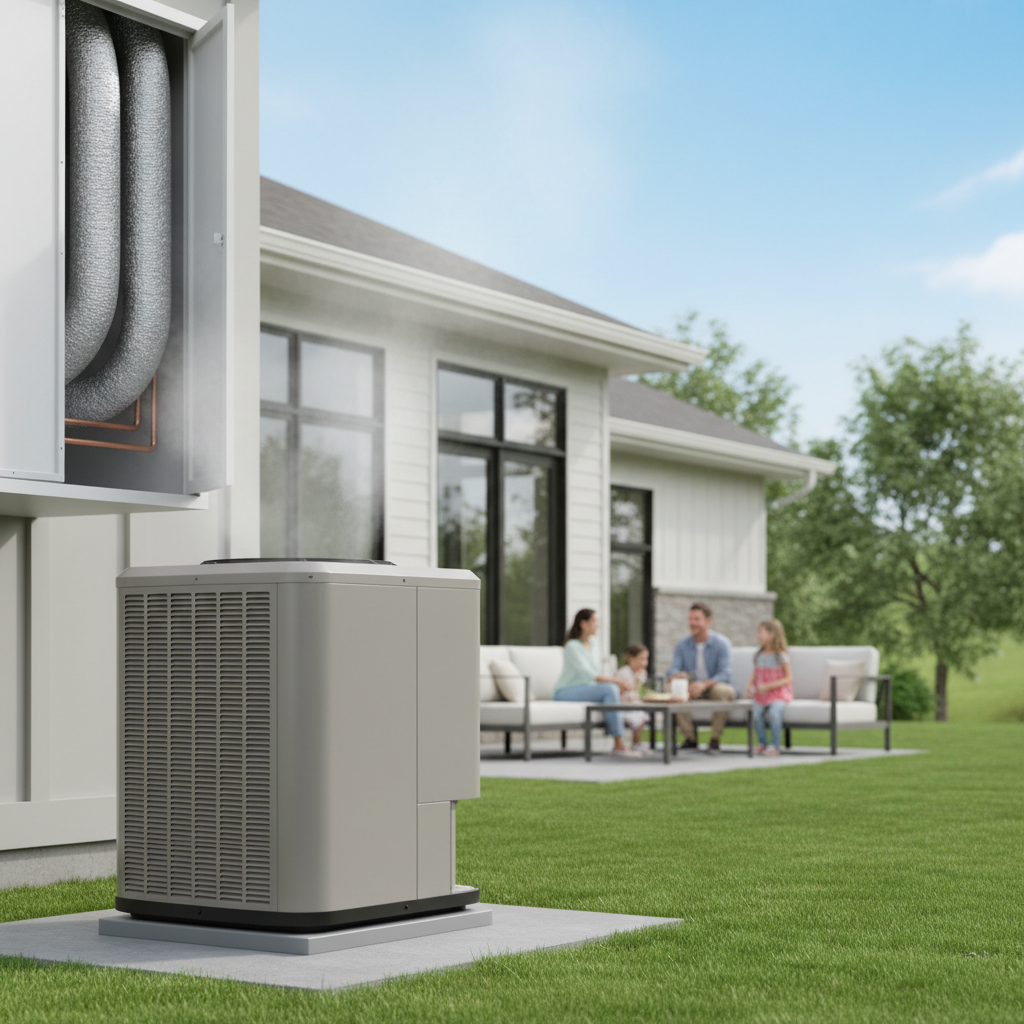
A central air conditioning system is designed to cool your entire home by distributing conditioned air through a network of ducts. Unlike window units or mini-splits that cool individual rooms, central AC provides consistent temperatures throughout your living space, making it a popular choice for whole-home comfort. The basic operation involves an outdoor unit (condenser and compressor) and an indoor unit (evaporator coil and air handler, often integrated with a furnace). These components work together to remove heat and humidity from your indoor air, circulate it over a cold coil, and then blow the cooled air back into your home.
The landscape of central air conditioning is continuously evolving. For 2026, new industry standards emphasize greater energy efficiency and the use of eco-friendlier refrigerants. Traditional R-410A refrigerant is being phased out in favor of lower global warming potential (GWP) alternatives like R-32 and R-454B, which are now standard in new installations. Additionally, the Seasonal Energy Efficiency Ratio 2 (SEER2) rating has become the benchmark for measuring energy performance, offering a more accurate reflection of real-world efficiency. These changes mean that modern central AC systems are not only more powerful but also significantly more sustainable and cost-effective to operate over their lifespan.
Key Factors to Consider When Choosing a Central AC System
Selecting the perfect central air conditioner involves more than just picking a brand. Several crucial factors directly impact performance, efficiency, and your long-term satisfaction.
Cooling Capacity (BTU and Tonnage)
The cooling capacity of an air conditioner, measured in British Thermal Units (BTUs) or “tons” (where 1 ton equals 12,000 BTUs per hour), is arguably the most critical factor. This metric indicates how much heat your system can remove from your home in a given period.
Choosing the wrong size system can lead to significant problems. An undersized unit will struggle to cool your home, running constantly without reaching the desired temperature, leading to high energy bills and premature wear. Conversely, an oversized unit will cool your home too quickly, cycling on and off frequently (known as “short-cycling”). This prevents it from effectively removing humidity, leaving your home feeling cold and clammy, and also contributes to increased wear and tear on components.
While a general rule of thumb suggests 20 to 25 BTUs per square foot, accurately determining the ideal cooling capacity for your home requires a professional “Manual J” load calculation. This assessment considers various factors unique to your property, including:
- Home Size and Layout: Total square footage and ceiling heights.
- Climate Zone: Regions with hotter climates naturally require more cooling power.
- Insulation Levels: Well-insulated homes retain cool air more effectively.
- Window and Door Count/Orientation: Large, sun-facing windows increase heat gain.
- Occupancy: The number of people regularly inhabiting the home.
- Heat-Generating Appliances: Kitchens with ovens and other appliances contribute to indoor heat.
|
Our Picks for the Best Air conditioner in 2026
As an Amazon Associate I earn from qualifying purchases.
|
||
| Num | Product | Action |
|---|---|---|
| 1 | Midea 5,000 BTU EasyCool Small Window Air Conditioner - Cool up to 150 Sq. Ft. with Easy-to-Use Mechanical Controls and Reusable Filter, Perfect for Small Bedroom, Living Room, Home Office |

|
| 2 | Frigidaire 5,000 BTU Window-Mounted Air Conditioner, Cools Up to 150 Sq. Ft., Quiet Operation, Effortless Temperature Control, 2 Fan Speeds, Auto Restart, White |
|
| 3 | Midea 12,000 BTU U-Shaped Smart Inverter Window Air Conditioner–Cools up to 550 Sq. Ft., Ultra Quiet with Open Window Flexibility, Compatible with Alexa/Google Assistant, 35% Energy Savings (Renewed) |
|
| 4 | Shinco 8,000 BTU Portable Air Conditioner, AC Unit with Built-in Cool, Dehumidifier & Fan Modes for Room up to 350 sq.ft, Conditioner Remote Control, 24 Hour Timer, Installation Kit |
|
| 5 | 12000 BTU Portable Air Conditioner, 3-in-1 Portable AC Unit with Cooling, Dehumidifier and Fan Modes, Cools Up to 450 Sq.Ft, LED Display Air Conditioners with Window Kit and Remote Control |
|
| 6 | Amazon Basics 5000-BTU Window Air Conditioner with Quiet Operation, Up to 150 Sqf, Cool and Fan Functions, Washable Filter, Adjustable Window Kit, Intuitive Mechanical Controls, for Small Room, White |
|
| 7 | Feelfunn 8,000 BTU Portable Air Conditioner - 3-in-1 Portable AC Unit for Rooms Up to 350 Sq. Ft., with Remote Control, Cooling, Dehumidifier & Fan Modes, AC Unit for Bedroom, Office, Apartment |
|
| 8 | Midea 8,000 BTU U Shaped Smart Inverter Window Air Conditioner - Cools 350 Sq Ft, Ultra Quiet with Open Window Flexibility - Alexa/Google Assistant Compatible - 37% Energy Savings, Remote (Updated) |
|
| 9 | LEVOIT Tower Fan for Bedroom, 90° Oscillating Standing Fan with 28dB Quiet for Sleep, 25ft/s Velocity, 12H Timer, 5 Speeds 4 Modes, Remoter, Bladeless Room Fan for Home, Office, Indoor, 36 inch, White |
|
| 10 | Amazon Basics 6000-BTU Window Air Conditioner with Quiet Operation, Up to 250 Sqf, Cool and Fan Functions, Washable Filter, Adjustable Window Kit, Digital Temperature Display, Remote Control, White |
|
A precise Manual J calculation ensures your central AC is perfectly matched to your home’s unique thermal profile, guaranteeing optimal comfort and energy efficiency.
Energy Efficiency and SEER2 Ratings
Energy efficiency is paramount for reducing operating costs and environmental impact. The SEER2 (Seasonal Energy Efficiency Ratio 2) rating is the industry standard for measuring an air conditioner’s efficiency over an entire cooling season. A higher SEER2 rating indicates a more efficient system, translating to lower electricity bills.
All new central air conditioners installed in 2026 must meet updated minimum SEER2 standards, which are generally higher than previous SEER ratings. Look for systems with an ENERGY STAR certification, which signifies that the unit meets strict energy efficiency guidelines set by government agencies. High-efficiency units, often those with SEER2 ratings of 16 or higher, may have a greater upfront cost but typically pay for themselves over time through substantial energy savings.
Advanced Technologies and Features
Modern central AC systems come packed with innovative technologies and features designed to enhance comfort, efficiency, and convenience.
- Inverter Technology (Variable-Speed Compressors): This is perhaps the most significant advancement in AC technology. Unlike traditional single-stage compressors that are either fully on or fully off, inverter-driven, variable-speed compressors can adjust their output precisely to match your home’s cooling needs.
- Superior Energy Efficiency: By running at lower speeds for longer durations, inverter systems consume significantly less energy, potentially reducing electricity use by 30% to 50% compared to non-inverter models.
- Consistent Comfort: They maintain a remarkably stable indoor temperature, eliminating the uncomfortable temperature swings common with conventional units.
- Quieter Operation: The gradual start-up and continuous low-speed operation result in significantly quieter performance, both indoors and outdoors.
- Enhanced Durability: Reduced strain on the compressor due to fewer start-stop cycles contributes to a longer equipment lifespan and fewer repairs.
- Smart Thermostats & Wi-Fi Control: Smart thermostats allow you to control your central AC remotely via a smartphone app, set detailed schedules, and integrate with other smart home devices. Many offer zoning capabilities, allowing you to cool different areas of your home to different temperatures, further optimizing energy use.
- Humidity Control: Advanced central AC systems offer enhanced dehumidification capabilities, crucial for comfort in humid climates. They can remove more moisture from the air, making a higher thermostat setting feel just as comfortable, which saves energy.
- Quiet Operation: Manufacturers prioritize quiet operation in their premium models. Look for features like sound-dampening insulation, variable-speed fan motors, and specially designed compressor mounts to minimize noise levels. Many high-end units operate below 70 decibels.
- Eco-Friendly Refrigerants: As mentioned, new systems in 2026 utilize refrigerants like R-32 or R-454B, which have a significantly lower environmental impact than older refrigerants.
Top Central Air Conditioner Brands of 2026
The central AC market is competitive, with several reputable brands offering a range of systems to suit different budgets and needs. While the “best” brand often depends on individual priorities, some consistently rank high for performance, reliability, and innovation.
- Carrier: Often considered a pioneer, Carrier is known for its advanced technology, excellent energy efficiency, and a wide range of features, including smart home integration. They frequently top lists for overall performance.
- Trane: With a reputation for rugged durability and reliability, Trane systems are built to last, often performing exceptionally well in extreme climates. They are known for their “tough as nails” construction.
- Lennox: Leading the market in ultra-high efficiency, Lennox offers some of the highest SEER2 systems available. They are also recognized for quiet operation and innovative comfort control.
- American Standard: Often considered a sister brand to Trane, American Standard also boasts strong reliability, excellent customer service, and robust units designed for consistent performance.
- Daikin: A global leader, Daikin is at the forefront of inverter technology and sustainable solutions, offering highly efficient and eco-friendly systems, including advanced heat pumps.
- Goodman: A subsidiary of Daikin, Goodman provides excellent value and affordability without sacrificing quality. They are a strong choice for budget-conscious homeowners seeking dependable performance.
- Rheem/Ruud: These sister brands offer a good balance of cost, efficiency, and innovation. They are known for reliable mid-tier options with solid warranties and widespread service availability.
Premium brands like Carrier, Lennox, and Trane typically offer quieter operation, more precise temperature control, and advanced variable-speed features, while brands like Goodman, Rheem, and Amana provide reliable performance at a more accessible price point.
Choosing the Best Central AC System: A Comprehensive Buying Guide
Making the right decision for your home’s central air conditioning involves a structured approach.
Step 1: Assess Your Home’s Specific Needs
Start by understanding what your home truly requires. Consider its size, overall insulation quality, number of windows, and the local climate. Think about your family’s comfort preferences—do you need extreme quiet? Is consistent temperature critical? Also, establish a realistic budget, factoring in both the upfront purchase and installation costs, as well as potential long-term energy savings.
Step 2: Research and Compare Systems
Dive into researching different types of central AC systems, efficiency ratings (SEER2), and available features. Compare specific models and brands based on their performance metrics, technological innovations (especially inverter technology), and warranty coverage. Reading expert reviews and testimonials from other homeowners can provide valuable insights. Look for systems that align with the new 2026 refrigerant standards and ENERGY STAR certification.
Step 3: Professional Sizing and Installation
This is a critical step that cannot be overstated. The quality of installation often matters more than the brand of the unit itself. Hire a reputable HVAC contractor who will perform a thorough Manual J load calculation to determine the precise cooling capacity your home needs. A professional installer will ensure proper ductwork, refrigerant charge, and overall system calibration, which are all vital for optimal performance, efficiency, and longevity. Avoid contractors who provide a quote without an on-site assessment.
Step 4: Understand Costs and Warranties
Central AC system costs vary significantly based on brand, efficiency, size, and installation complexity. For mid-efficiency units, expect installed costs to range from $3,500 to $7,500, while high-efficiency systems (20+ SEER2) can range from $8,000 to $12,000 or more. Understand what is included in the quote: equipment, installation, and any additional components or modifications to your existing ductwork.
Review warranty coverage carefully. Most reputable brands offer 10-year warranties on the compressor and other parts, but labor warranties can vary. Inquire about any available federal tax credits, utility rebates, or manufacturer incentives for high-efficiency systems, as these can significantly reduce your upfront investment.
Maximizing Your Central AC’s Efficiency and Lifespan
Once your new central AC system is installed, maintaining its performance is key to long-term comfort and savings.
- Optimal Thermostat Settings: Set your thermostat to a comfortable yet energy-efficient temperature, typically between 75-78°F (24-26°C) during cooling seasons. Utilize programmable or smart thermostat features to adjust temperatures when you’re away or asleep.
- Regular Maintenance: Change air filters monthly or according to manufacturer recommendations. Schedule annual professional tune-ups to ensure your system is operating at peak efficiency, catch potential issues early, and extend its lifespan.
- Improve Home Envelope: Seal air leaks around windows and doors, and ensure your home has adequate insulation. This minimizes heat gain and keeps cooled air inside, reducing the load on your AC system.
- Ductwork Inspection: Have your ductwork inspected for leaks and proper sealing. Leaky ducts can waste a significant amount of cooled air, diminishing efficiency.
- Clear Outdoor Unit: Keep the outdoor condenser unit free from debris, foliage, and obstructions to ensure proper airflow and heat dissipation.
“The true measure of a central air conditioning system’s value isn’t just its upfront cost or brand name, but its ability to deliver consistent comfort and efficiency for years, which largely hinges on professional sizing and installation.” – Admin, reviewrnz.com
Conclusion
Choosing the best central air conditioning system in 2026 is a significant investment in your home’s comfort and energy future. By understanding the critical factors of cooling capacity, energy efficiency standards like SEER2, and advanced technologies like inverter compressors, you can navigate the market with confidence. Prioritizing reputable brands, coupled with the indispensable expertise of a professional HVAC contractor for proper sizing and installation, will ensure you select a system that delivers optimal comfort, cost savings, and peace of mind for many cooling seasons to come.
Are you ready to transform your home into the ultimate cool sanctuary this summer?
Frequently Asked Questions
How often should I get my central AC serviced?
It is highly recommended to have your central AC system professionally serviced once a year, ideally in the spring before the cooling season begins. This annual maintenance helps ensure optimal performance, efficiency, and longevity, while also identifying and addressing any minor issues before they become major problems.
What’s the typical lifespan of a central AC system?
On average, a well-maintained central air conditioning system can last between 12 to 15 years. Higher-end models with durable components and consistent professional servicing may even extend their lifespan closer to 20 years. Factors like climate, usage patterns, and initial installation quality also play a significant role.
Can I use a heat pump as a central AC?
Yes, a heat pump functions as both a heating and cooling system, making it an excellent alternative to a traditional central AC and furnace setup. During warmer months, a heat pump extracts heat from indoors and expels it outside, effectively cooling your home just like a central air conditioner.
What are the benefits of upgrading to a high-efficiency system?
Upgrading to a high-efficiency central AC system, especially one with inverter technology and a high SEER2 rating, offers numerous benefits. These include significantly lower energy bills, more consistent and precise temperature control, quieter operation, enhanced humidity removal, and a reduced environmental footprint due to lower energy consumption.
What is SEER2?
SEER2 (Seasonal Energy Efficiency Ratio 2) is the updated metric used to measure the energy efficiency of air conditioning systems, effective from 2023 onwards. It provides a more realistic assessment of a unit’s performance compared to the original SEER rating, reflecting real-world operating conditions and allowing for more accurate energy cost comparisons.