Living in a humid climate can turn your home into an uncomfortable, sticky environment, even when the temperatures aren’t soaring. The air conditioner, often seen as a cooling device, can actually be your best ally against excessive moisture, thanks to its built-in dehumidifier mode. This dual functionality is a game-changer for maintaining optimal indoor comfort and air quality.
Understanding Air Conditioners with Dehumidifier Mode
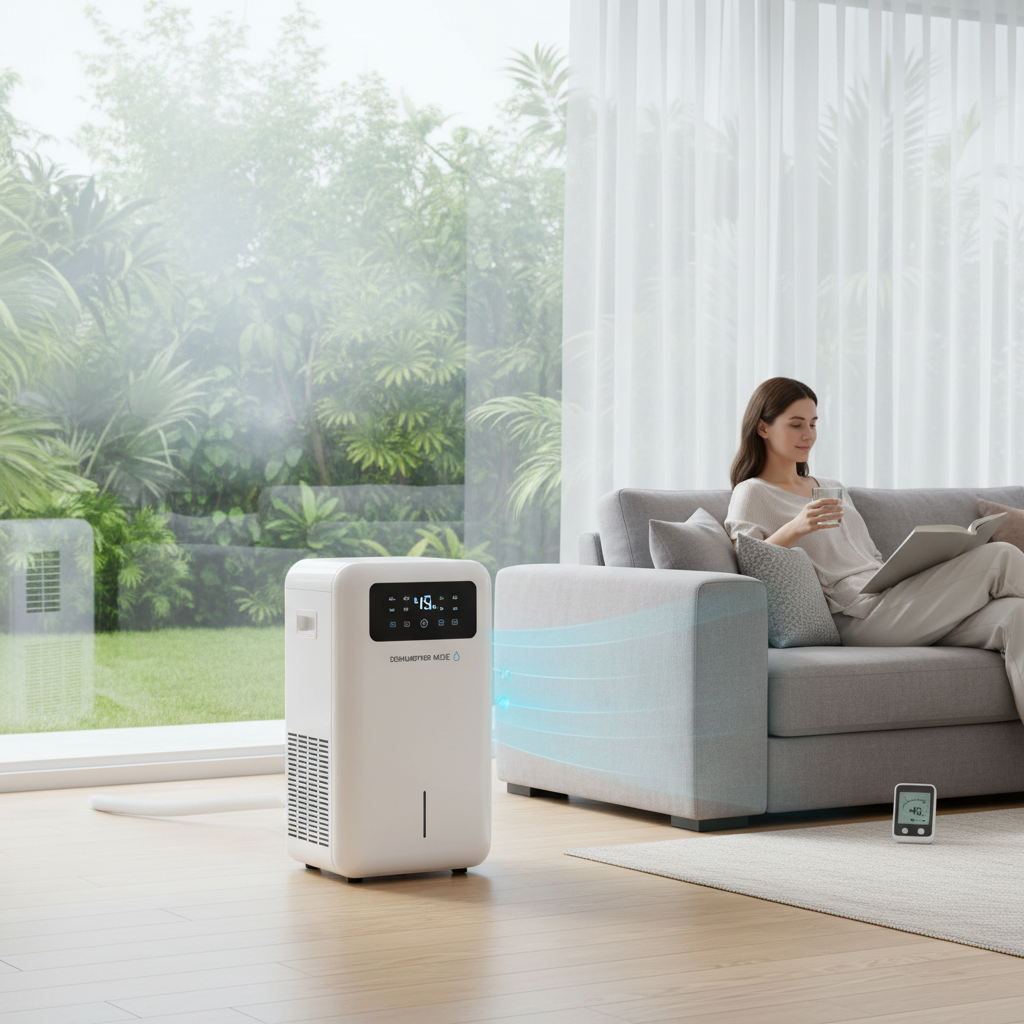
An air conditioner, at its core, works by removing heat and moisture from the air. When equipped with a dedicated dehumidifier mode, also known as “dry mode,” it specifically prioritizes moisture extraction. This feature allows your AC to operate as a specialized dehumidifier, creating a more comfortable and healthier living space without overcooling the room.
The history of air conditioning reveals a consistent focus on both temperature and humidity control. Early AC units inherently removed humidity as a byproduct of cooling. However, modern advancements have led to sophisticated systems that can isolate and enhance this dehumidifying function, offering greater control and efficiency.
Several types of air conditioners commonly feature a built-in dehumidifier mode:
- Central Air Conditioners: High-end central AC systems, particularly those with variable-speed or multi-speed compressors, excel at humidity control. They can run at lower capacities for longer durations, effectively pulling more moisture from the air without significantly dropping the temperature. The Trane XL20i, for instance, is noted for its advanced dehumidification capabilities, running at multiple speeds to maintain humidity in the upper 40s, significantly lower than typical systems.
- Portable Air Conditioners: These compact, mobile units often come with a 3-in-1 or 4-in-1 design, combining cooling, fan, and dehumidifier modes. They are ideal for single rooms, apartments, or areas where permanent installation isn’t feasible.
- Ductless Mini-Split Systems: Similar to central ACs in their ability to provide targeted cooling and heating, many mini-split units also offer robust dehumidification settings, particularly useful for zoning and precise climate control.
Key Factors When Choosing an AC with Dehumidifier Mode
Selecting the right air conditioner with a dehumidifier mode involves considering several critical aspects to ensure it perfectly matches your needs and space.
Capacity (BTU and Pints/Day)
The capacity of an air conditioner is measured in British Thermal Units (BTU) for cooling and pints per day for its dehumidifying ability.
- BTU Rating: This determines how effectively an AC unit can cool a room. A unit that is too small won’t cool adequately, while one that is too large might cool too quickly without removing enough humidity, leading to a clammy feeling. Typically, 5,000-8,000 BTU is suitable for small rooms (150-300 sq ft), while 10,000-14,000 BTU is better for medium to large rooms (350-700 sq ft).
- Dehumidifying Capacity: Often measured in pints of moisture removed per day, this indicates the unit’s ability to tackle humidity. Portable units like the Euhomy Portable AC are capable of removing up to 50 pints of moisture per day, making them highly effective for humid climates or damp basements. Matching the pints/day capacity to your room size and humidity levels is crucial for effective moisture control.
|
Our Picks for the Best Air conditioner in 2026
As an Amazon Associate I earn from qualifying purchases.
|
||
| Num | Product | Action |
|---|---|---|
| 1 | 12000 BTU Portable Air Conditioner, 3-in-1 Portable AC Unit with Cooling, Dehumidifier and Fan Modes, Cools Up to 450 Sq.Ft, LED Display Air Conditioners with Window Kit and Remote Control |

|
| 2 | Amazon Basics 5000-BTU Window Air Conditioner with Quiet Operation, Up to 150 Sqf, Cool and Fan Functions, Washable Filter, Adjustable Window Kit, Intuitive Mechanical Controls, for Small Room, White |
|
| 3 | Amazon Basics 6000-BTU Window Air Conditioner with Quiet Operation, Up to 250 Sqf, Cool and Fan Functions, Washable Filter, Adjustable Window Kit, Digital Temperature Display, Remote Control, White |
|
| 4 | Shinco 8,000 BTU Portable Air Conditioner, AC Unit with Built-in Cool, Dehumidifier & Fan Modes for Room up to 350 sq.ft, Conditioner Remote Control, 24 Hour Timer, Installation Kit |
|
| 5 | Feelfunn 8,000 BTU Portable Air Conditioner - 3-in-1 Portable AC Unit for Rooms Up to 350 Sq. Ft., with Remote Control, Cooling, Dehumidifier & Fan Modes, AC Unit for Bedroom, Office, Apartment |
|
| 6 | Midea 12,000 BTU U-Shaped Smart Inverter Window Air Conditioner–Cools up to 550 Sq. Ft., Ultra Quiet with Open Window Flexibility, Compatible with Alexa/Google Assistant, 35% Energy Savings (Renewed) |
|
| 7 | Frigidaire 5,000 BTU Window-Mounted Air Conditioner, Cools Up to 150 Sq. Ft., Quiet Operation, Effortless Temperature Control, 2 Fan Speeds, Auto Restart, White |
|
| 8 | LEVOIT Tower Fan for Bedroom, 90° Oscillating Standing Fan with 28dB Quiet for Sleep, 25ft/s Velocity, 12H Timer, 5 Speeds 4 Modes, Remoter, Bladeless Room Fan for Home, Office, Indoor, 36 inch, White |
|
| 9 | Midea 8,000 BTU U Shaped Smart Inverter Window Air Conditioner - Cools 350 Sq Ft, Ultra Quiet with Open Window Flexibility - Alexa/Google Assistant Compatible - 37% Energy Savings, Remote (Updated) |
|
| 10 | Midea 5,000 BTU EasyCool Small Window Air Conditioner - Cool up to 150 Sq. Ft. with Easy-to-Use Mechanical Controls and Reusable Filter, Perfect for Small Bedroom, Living Room, Home Office |
|
Choosing the appropriate capacity helps the unit run efficiently, preventing short-cycling that can waste energy and fail to adequately dehumidify the space.
Type of Air Conditioner
The best type of AC with a dehumidifier mode depends on your space and installation preferences.
- Portable ACs: These are highly versatile and can be moved between rooms. They are generally 3-in-1 units (AC, fan, dehumidifier) and require venting through a window. Popular models include the Midea Duo and Whynter NEX ARC-1230WN. Portable units are great for temporary solutions or renters. However, some models may require manual water drainage, though many now feature self-evaporating systems to reduce this chore.
- Central AC Systems: Ideal for whole-home comfort, advanced central ACs (like the Trane XL20i) offer superior dehumidification through multi-speed compressors, running longer at lower speeds to maximize moisture removal. These systems are permanently installed and offer consistent humidity control throughout your entire home.
- Ductless Mini-Splits: These provide zoned climate control without ductwork, making them efficient for specific areas. Many mini-splits include dry modes for targeted dehumidification.
Technology and Features
Modern air conditioners come packed with technologies and features that enhance both cooling and dehumidifying performance.
- Inverter Technology: Units with inverter compressors, such as the Trane XL20i or Whynter NEX ARC-1230WN, can adjust their operating speed to match the cooling or dehumidifying demand. This allows them to run continuously at lower speeds, leading to more consistent temperature and humidity levels, and significant energy savings compared to traditional on/off compressors.
- Dedicated Dehumidifier Mode (Dry Mode): This mode specifically optimizes the unit to remove moisture. It typically runs the compressor intermittently while the fan operates at a low speed, drawing air over the cold evaporator coils to condense water vapor without overcooling the room. This makes the air feel fresher and more comfortable, especially on sticky, humid days when intense cooling isn’t needed.
- Smart Features: Wi-Fi connectivity, smartphone app control (like LG ThinQ or Midea’s app), and compatibility with voice assistants (Alexa, Google Assistant) offer convenience, allowing you to monitor and adjust settings remotely.
- Self-Evaporating Systems: Found in many portable ACs, this technology re-evaporates collected moisture and expels it with the hot exhaust air, minimizing the need to manually empty a water tank.
- Other Features: Look for digital thermostats for precise control, 24-hour timers for scheduled operation, sleep modes for quieter, energy-efficient night use, and easy-access, washable filters for improved air quality.
Brand and Pricing
The market for AC units with dehumidifier modes includes many reputable brands, each offering a range of models and price points.
- Leading Brands: Trane, LG, Midea, Whynter, GE, Hisense, and Euhomy are frequently cited for their reliable AC units with effective dehumidification.
- Price Comparison: Prices can vary significantly based on unit type (portable vs. central), capacity, and advanced features like inverter technology or smart home integration. Portable units can range from a few hundred to over a thousand dollars, while central AC systems represent a larger investment.
- Budget Alignment: Consider your budget alongside the features most important to you. Sometimes, investing in a more energy-efficient model with advanced humidity control can lead to long-term savings on electricity bills.
“The real magic of an AC with dehumidifier mode lies in its ability to transform a muggy, uncomfortable room into a crisp, breathable haven. It’s about feeling dry, not just cold.” – Admin, reviewrnz.com
Comparing Popular ACs with Dehumidifier Mode
Here’s a comparison of some notable models that excel in dehumidification, covering both central and portable options.
| Feature | Trane XL20i (Central AC) | Midea Duo MAP14HS1TBL (Portable AC) | Whynter NEX ARC-1230WN (Portable AC) | Euhomy Portable AC (Portable AC) | MeacoCool MC Series 7000 (Portable AC) |
|---|---|---|---|---|---|
| Type | Central AC | Portable AC (Dual Hose) | Portable AC (Dual Hose) | Portable AC (Single Hose) | Portable AC (Single Hose) |
| Dehumidification | Excellent (Multi-speed, target ~40s humidity) | Strong (Collects significant condensation) | Dedicated mode, Inverter compressor | Up to 50 Pints/Day | Dehumidifier function, requires external drain |
| Cooling BTU | High (Whole-home capacity) | 14,000 BTU (SACC 12,000) for large rooms | High (Suitable for big open-concept spaces) | 10,000-14,000 BTU (Varies by model) | 7,000 BTU (for rooms up to 22m²) |
| Key Technologies | Multi-speed compressor, all-aluminum coil | Inverter, Dual hose, Self-evaporating | Inverter compressor, Dedicated dry mode | 3-in-1 function, Self-evaporating | R290 Refrigerant |
| Smart Features | Wireless Thermostat (XL940 compatible) | Wi-Fi, App control, Alexa/Google Assistant | Wi-Fi, NetHome Plus app, Google Home/Alexa | LED panel, Remote, Timer, Sleep mode | Basic controls, Remote |
| Noise Level | Quiet operation due to variable speed | Ultra-quiet in sleep mode (~52 dB) | Minimal fluctuations due to inverter | Quiet operation noted | ~58 dBA in typical use |
| Energy Efficiency | Highly efficient (low amperage at lower speeds) | Excellent due to inverter and dual hose | High (Inverter prevents oversizing issue) | Energy-efficient design | High power consumption during dehumidification |
| Drainage | Automatic via central drainage | Self-evaporating (minimal emptying) | Self-evaporating | Self-evaporating (reduces manual drainage) | External drainage required (no internal tank) |
| Best For | Whole-home superior humidity control and efficiency | Large rooms, smart home users, quiet operation | High-end users needing precise control in large spaces | Humid climates, basements, versatile room use | Budget-conscious users, smaller rooms, eco-friendly refrigerant |
Your Buying Guide for ACs with Dehumidifier Mode
Choosing the ideal AC unit with a dehumidifier mode requires a structured approach to ensure satisfaction.
Step 1: Define Your Needs
Start by evaluating your specific requirements.
- Room Size: Measure the square footage of the area you intend to cool and dehumidify. This will help determine the necessary BTU and pints/day capacity.
- Number of Occupants: More people generate more moisture, which might necessitate a higher dehumidification capacity.
- Usage Frequency: Will the unit be running constantly in a hot, humid environment, or only occasionally? This impacts the type of unit and energy efficiency features you should prioritize.
- Climate: In extremely humid regions, a unit with advanced dehumidification features (like inverter technology) will be more effective than a basic model.
- Portability vs. Whole-Home: Decide if you need a portable unit for specific rooms or a central system for your entire home.
Step 2: Research and Compare
Once you have a clear idea of your needs, dive into research.
- Explore Types and Brands: Look into the different types of ACs (portable, central, mini-split) and research reputable brands known for their humidity control features.
- Compare Models: Pay close attention to specifications like BTU, dehumidifying capacity (pints/day), energy efficiency ratings (EER, SEER), noise levels, and special features.
- Read Reviews: Customer and expert reviews offer invaluable insights into real-world performance, reliability, and user experience. Websites like CNET, RTINGS.com, and Forbes Vetted often provide detailed reviews.
- Understand Features: Distinguish between essential features and nice-to-haves. For instance, a self-evaporating system for a portable unit can save you from frequent emptying.
Step 3: Selection and Purchase
After thorough research, you’re ready to make a decision.
- In-Person Viewing: If possible, visit a store to see the unit in person. Check its size, build quality, and ease of controls.
- Reputable Retailers: Purchase from authorized dealers or reputable online retailers to ensure you get genuine products and access to warranties.
- Check Warranty and Return Policies: Understand the warranty coverage for parts and labor, and familiarize yourself with the return policy in case the unit doesn’t meet your expectations.
- Inspect Before Payment: For physical purchases, always inspect the product for any damage before finalizing the payment.
Step 4: Installation and Maintenance
Proper installation and regular maintenance are crucial for optimal performance and longevity.
- Professional Installation: For central AC or mini-split systems, always hire a certified HVAC professional for installation. For portable units, ensure you follow the manufacturer’s instructions for venting.
- Follow User Manual: Read the owner’s manual for detailed operating instructions, especially regarding the dehumidifier mode and drainage requirements.
- Regular Cleaning: Clean or replace air filters regularly (typically every 2-4 weeks, depending on use) to maintain efficiency and air quality. Keep coils clean from dust and debris.
- Drainage Check: Ensure the drainage system (hose or water tank) for the dehumidifier mode is clear and functioning properly to prevent water buildup. For units without self-evaporation, remember to empty the tank as needed.
- Seasonal Servicing: Consider annual professional servicing for central AC units to ensure they are running at peak efficiency.
Tips for Energy-Efficient AC Dehumidifier Use
Maximizing the dehumidifying effect while keeping energy costs down is a key concern for many homeowners.
- Set the Right Temperature: While in dry mode, the AC’s primary goal isn’t cooling. Set the thermostat to a comfortable temperature, typically around 75-78°F (24-26°C), as the fan runs at a lower speed.
- Utilize the Timer: Program the unit to run during peak humidity hours or when you are home to enjoy the benefits, turning off when not needed.
- Regular Filter Maintenance: A clean filter allows for better airflow and efficient moisture removal. Clogged filters force the unit to work harder, consuming more energy.
- Seal Your Space: Keep windows and doors closed when the AC’s dehumidifier mode is active to prevent humid outside air from entering and undoing the unit’s work.
- Combine with Fans: Ceiling fans or oscillating fans can help circulate the drier, cooler air, making the room feel more comfortable even at higher thermostat settings, further reducing the load on your AC.
- Monitor Humidity Levels: Using a hygrometer can help you keep indoor humidity levels between 30% and 50%, which is generally considered comfortable and helps prevent mold growth.
By understanding how ACs with dehumidifier modes operate and implementing these tips, you can enjoy a perfectly balanced indoor environment year-round.
Conclusion
Choosing an air conditioner with a reliable built-in dehumidifier mode is a smart investment for anyone living in a humid climate or seeking enhanced indoor comfort. These units offer the dual benefit of cooling and effective moisture removal, helping to prevent mold growth, improve air quality, and create a healthier, more pleasant home. Whether you opt for a powerful central system like the Trane XL20i or a versatile portable unit such as the Midea Duo or Whynter NEX ARC-1230WN, understanding the key features, capacity, and proper usage will ensure you find the perfect solution. Don’t let sticky air compromise your comfort any longer – discover the difference a dedicated dehumidifier mode can make.
What aspects of advanced humidity control in ACs do you find most appealing for your home?
Frequently Asked Questions
What is “Dry Mode” on an air conditioner?
Dry Mode, often represented by a droplet icon on your AC remote, is a function that prioritizes removing excess moisture from the air rather than aggressively lowering the temperature. It achieves this by running the compressor intermittently or at a lower speed, while the fan operates gently, allowing the evaporator coil to condense more humidity.
Can an AC with a dehumidifier mode replace a standalone dehumidifier?
For many homes, an AC with a robust dehumidifier mode can effectively manage humidity levels, especially in conjunction with cooling. However, in extremely damp environments like basements or if significant moisture removal is the primary concern without any cooling, a dedicated standalone dehumidifier might be more powerful and efficient for that specific purpose.
Is using AC dehumidifier mode more energy-efficient than regular cooling mode for humidity?
Yes, often it is. In dry mode, the AC typically runs its compressor at a lower capacity and the fan at a slower speed. This process uses less energy than full cooling mode, especially when the main issue is high humidity rather than high temperature. It provides comfort without the energy cost of intense cooling.
What humidity level should I aim for indoors?
For optimal comfort and to deter the growth of mold, mildew, and dust mites, indoor humidity levels should ideally be maintained between 30% and 50%. A hygrometer can help you monitor this level and adjust your AC settings accordingly.
Do all air conditioners have a dehumidifier mode?
Not all older or basic models of air conditioners include a specific “dry mode” or dehumidifier function. However, most modern split-system, central, and portable air conditioners come equipped with this feature, making them versatile for both cooling and moisture control. Always check the product specifications before purchasing.