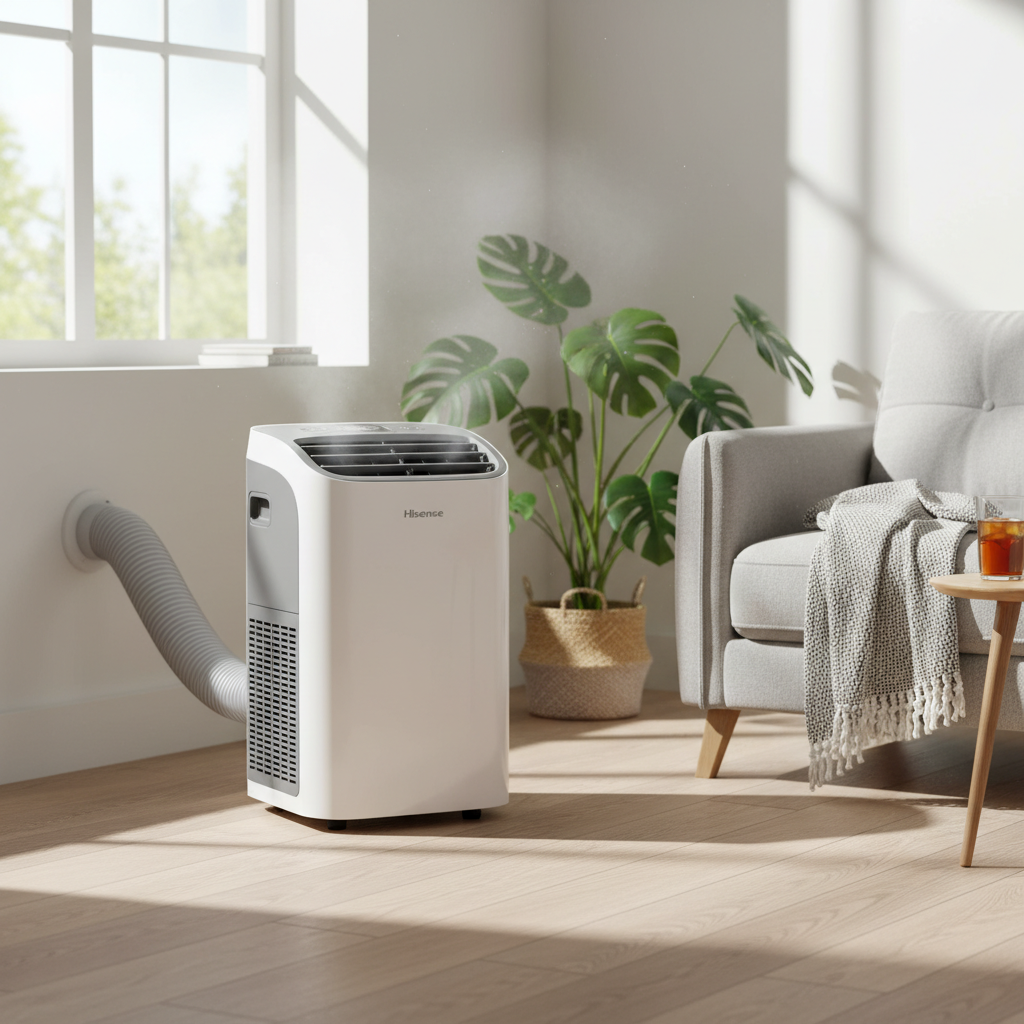
The relentless summer heat, coupled with soaring electricity bills, often leaves us dreaming of a more sustainable and cost-effective cooling solution. For over a decade, I’ve seen countless air conditioning systems, from basic residential units to complex industrial setups. And today, the answer to both comfort and conscience is clearer than ever: solar powered air conditioners. As we step into 2026, these innovative systems are not just an eco-friendly choice; they are a smart financial investment, designed to keep your space perfectly cool while significantly shrinking your carbon footprint and energy expenses.
The Rise of Solar Air Conditioning: An Overview
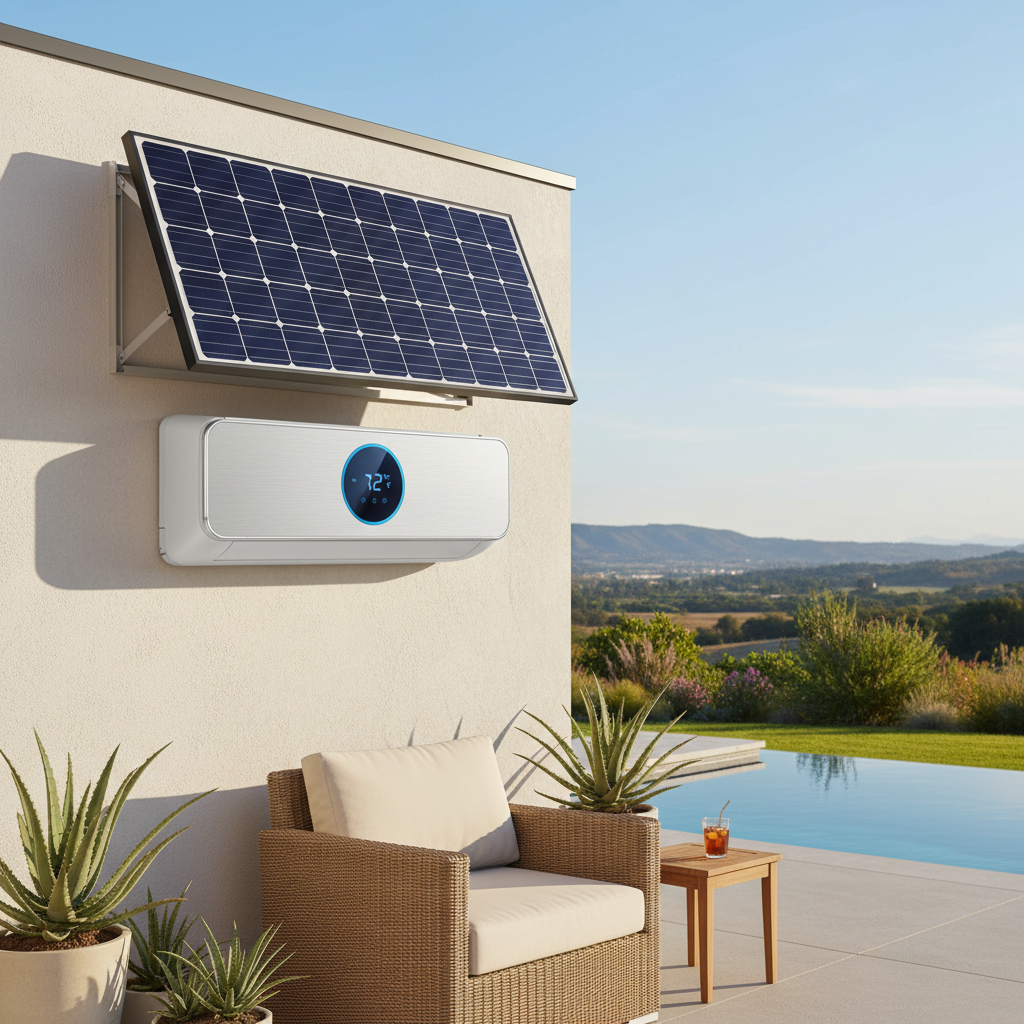
A solar air conditioner harnesses the sun’s abundant energy to cool your home, reducing or even eliminating reliance on the traditional electrical grid. Unlike conventional AC units that solely depend on grid power, often generated from non-renewable sources, solar AC units use photovoltaic (PV) panels to convert sunlight into electricity. This fundamental shift in power source is driving a revolution in home cooling.
Why choose solar AC in 2026? The reasons are compelling. Firstly, the financial benefits are substantial. With electricity tariffs continuing their upward trend globally, solar AC offers a powerful hedge against inflation, locking in long-term energy production and providing significant savings on utility bills—potentially cutting them by up to 50% compared to conventional units. Secondly, there’s the undeniable environmental impact. By utilizing renewable energy, you drastically reduce your household’s carbon emissions and decrease dependence on fossil fuels, contributing to cleaner air quality and a healthier planet. Finally, solar AC systems enhance your energy independence and resilience, offering reliable cooling even during peak demand or unexpected power outages, especially when paired with battery storage. The market for solar air conditioning is projected to grow from $528 million in 2026, underscoring its increasing adoption and technological maturity.
The evolution of solar AC technology has been rapid. Early models were often expensive and less efficient, but advancements in solar panel efficiency, inverter technology, and smart controls have made modern solar AC units more practical, reliable, and affordable. We’re now seeing seamless hybrid systems and direct DC-powered units that maximize efficiency by minimizing energy conversions.
Types of Solar Powered Air Conditioners
Understanding the different types of solar-powered air conditioners is crucial for selecting the right system for your needs. Each type offers distinct advantages and considerations regarding installation, cost, and energy independence.
DC Solar Air Conditioners
DC (Direct Current) solar air conditioners run directly on the DC power generated by solar panels.
- Pros: Highly efficient, as they avoid the energy losses associated with converting DC electricity from panels into AC electricity for the grid. They can operate entirely off-grid, making them ideal for remote cabins or RVs. They do not require an inverter if used as a standalone system.
- Cons: Typically require a battery bank to store energy for cooling during the night or on cloudy days, adding to the initial cost and complexity. Without an inverter, they cannot be connected to your home’s main AC electrical system.
|
Our Picks for the Best Air conditioner in 2026
As an Amazon Associate I earn from qualifying purchases.
|
||
| Num | Product | Action |
|---|---|---|
| 1 | Amazon Basics 5000-BTU Window Air Conditioner with Quiet Operation, Up to 150 Sqf, Cool and Fan Functions, Washable Filter, Adjustable Window Kit, Intuitive Mechanical Controls, for Small Room, White |

|
| 2 | Amazon Basics 6000-BTU Window Air Conditioner with Quiet Operation, Up to 250 Sqf, Cool and Fan Functions, Washable Filter, Adjustable Window Kit, Digital Temperature Display, Remote Control, White |
|
| 3 | Feelfunn 8,000 BTU Portable Air Conditioner - 3-in-1 Portable AC Unit for Rooms Up to 350 Sq. Ft., with Remote Control, Cooling, Dehumidifier & Fan Modes, AC Unit for Bedroom, Office, Apartment |
|
| 4 | Shinco 8,000 BTU Portable Air Conditioner, AC Unit with Built-in Cool, Dehumidifier & Fan Modes for Room up to 350 sq.ft, Conditioner Remote Control, 24 Hour Timer, Installation Kit |
|
| 5 | Midea 8,000 BTU U Shaped Smart Inverter Window Air Conditioner - Cools 350 Sq Ft, Ultra Quiet with Open Window Flexibility - Alexa/Google Assistant Compatible - 37% Energy Savings, Remote (Updated) |
|
| 6 | 12000 BTU Portable Air Conditioner, 3-in-1 Portable AC Unit with Cooling, Dehumidifier and Fan Modes, Cools Up to 450 Sq.Ft, LED Display Air Conditioners with Window Kit and Remote Control |
|
| 7 | LEVOIT Tower Fan for Bedroom, 90° Oscillating Standing Fan with 28dB Quiet for Sleep, 25ft/s Velocity, 12H Timer, 5 Speeds 4 Modes, Remoter, Bladeless Room Fan for Home, Office, Indoor, 36 inch, White |
|
| 8 | Midea 12,000 BTU U-Shaped Smart Inverter Window Air Conditioner–Cools up to 550 Sq. Ft., Ultra Quiet with Open Window Flexibility, Compatible with Alexa/Google Assistant, 35% Energy Savings (Renewed) |
|
| 9 | Frigidaire 5,000 BTU Window-Mounted Air Conditioner, Cools Up to 150 Sq. Ft., Quiet Operation, Effortless Temperature Control, 2 Fan Speeds, Auto Restart, White |
|
| 10 | Midea 5,000 BTU EasyCool Small Window Air Conditioner - Cool up to 150 Sq. Ft. with Easy-to-Use Mechanical Controls and Reusable Filter, Perfect for Small Bedroom, Living Room, Home Office |
|
AC Solar Air Conditioners
AC (Alternating Current) solar air conditioners convert the DC power from solar panels into AC power using an inverter, which then powers a standard AC unit.
- Pros: Work seamlessly with existing home electrical grids and traditional AC units, offering a straightforward integration for grid-tied homes.
- Cons: Always require an inverter, which introduces a small efficiency loss during the DC-AC conversion. They generally still rely on the grid when solar production is insufficient, unless paired with battery storage.
Hybrid Solar Air Conditioners
Hybrid solar air conditioners represent the best of both worlds, capable of running on solar DC power, AC grid power, or a combination of both.
- Pros: Offer continuous operation and maximum reliability by automatically switching between solar and grid power as needed. They often do not require a solar battery bank, as they can pull grid power for supplementary use, leading to higher cost savings without a full home energy system. Many models offer both cooling and heating functionality, providing year-round comfort.
- Cons: Can be more expensive than other types of solar AC systems initially. While highly efficient, their ability to run solely on solar power depends on sunlight availability and system design.
Key Factors to Consider When Buying a Solar AC
Choosing the best solar-powered air conditioner involves more than just picking a model. Several critical factors influence performance, efficiency, and overall satisfaction.
Cooling Capacity (BTU)
The cooling capacity of an air conditioner is measured in British Thermal Units (BTU).
- Understanding BTU: BTU indicates the amount of heat an AC unit can remove from a room per hour. A higher BTU rating means greater cooling power.
- Calculating BTU for Room Size: The ideal BTU for your space depends on its square footage, ceiling height, insulation, number of windows, and even the number of occupants. A general rule of thumb is 20 BTU per square foot. However, factors like direct sunlight exposure or large windows might necessitate a slightly higher BTU.
- Efficiency vs. Oversizing: While it might seem logical to buy an oversized unit, doing so can lead to inefficient operation. An AC unit that is too powerful will cycle on and off too frequently, failing to properly dehumidify the air and resulting in an uncomfortable, clammy environment. Always aim for a unit with appropriate BTU for optimal cooling and dehumidification.
Technology and Features
Modern solar AC units come packed with advanced technologies that enhance efficiency and user experience.
- Inverter Technology: Units with inverter technology adjust their compressor speed to precisely match the cooling demand, leading to significant energy savings and quieter operation compared to traditional fixed-speed compressors.
- Smart Controls and AI Integration: Advanced systems now incorporate AI-powered smart controls that automatically adjust settings in real-time based on sunlight intensity, electricity prices, and even your home’s occupancy patterns. This optimization ensures maximum comfort and efficiency.
- Refrigerant Types: Newer refrigerants like R32 are more environmentally friendly than older options, offering higher efficiency and lower global warming potential. Many leading models, such as those from EG4, utilize R32.
- Heating Functionality (Heat Pumps): Many solar AC units are also heat pumps, providing both cooling in summer and efficient heating in winter. This dual functionality offers year-round climate control from a single, sustainable system.
System Type and Installation
The physical configuration and installation requirements are important considerations.
- Mini-Split vs. Portable vs. Central:
- Mini-Split: Ductless mini-splits are popular for their zoned cooling, energy efficiency, and relatively straightforward installation, often involving a single outdoor unit and one or more indoor units. Many solar ACs come in this form factor (e.g., EG4 Hybrid Mini-Split).
- Portable: Ideal for small spaces, RVs, or temporary cooling needs, portable solar AC units like the EcoFlow Wave series offer flexibility and ease of setup.
- Central: While less common for direct solar integration, some solar-ready central HVAC systems, like those from Lennox, can be paired with solar panels to supplement their power consumption.
- Ease of Installation: Look for systems with features like quick-connect line sets and pre-charged refrigerants, which can simplify installation and potentially reduce labor costs.
- Off-Grid vs. Hybrid vs. Grid-Tied Considerations: Your energy independence goals will dictate the best system. For complete off-grid living, a DC solar AC with robust battery storage is essential. For most homes, a hybrid system provides a balanced approach, ensuring comfort with grid backup while maximizing solar utilization.
Brand Reputation and Warranty
Investing in a solar AC is a long-term commitment.
- Top Brands in 2026: Reputable brands in the solar AC space include EG4, EcoFlow, LEZETi (Thomas Edison Solar), SolAir World, GREE, and Lennox. These companies are recognized for their innovation, product quality, and customer support.
- Importance of Warranty: A strong warranty on both the AC unit and solar components provides peace of mind and protects your investment. Look for comprehensive warranties covering parts and labor, as well as the performance of solar panels (often 25-30 years for panels).
Top Solar Powered Air Conditioner Models for 2026
The market for solar-powered air conditioners is continuously evolving, with several brands leading the charge in innovation and efficiency. Here’s a comparison of some popular models and systems for 2026:
| Model / System | Type | BTU Range | Key Features | Ideal Use | Pros | Cons |
|---|---|---|---|---|---|---|
| EG4 Hybrid Solar Mini-Split (12k/24k BTU) | Hybrid Mini-Split | 12,000 – 24,000 | True hybrid operation (solar DC, AC grid), heat pump, R32 refrigerant, quick-connect lines, WiFi control | Homes, small businesses, off-grid/hybrid setups up to 1000 sq ft | Highly efficient, year-round comfort (heating/cooling), direct DC input from solar panels, easy installation | Higher upfront cost than traditional AC, optimal performance requires sufficient solar input |
| LEZETi Hybrid Solar AC (Thomas Edison Solar) | Hybrid Mini-Split | Varies | Runs directly on DC power from solar panels, no inverter/charge controller needed for solar, grid backup | Residential, highly efficient DC operation | High efficiency (minimal power conversion), no battery needed for daytime use (grid backup) | May require separate purchase of solar panels, limited information on specific BTU models |
| GREE Solar Hybrid Hi Wall Inverter AC | Hybrid Wall-Mounted | Varies | Inverter technology, heat pump, pulls grid power for low-light use | Residential, cost-conscious users | Energy-efficient, good brand reputation, grid backup without battery bank | Solar panels must be purchased separately |
| J-Tech 12,000 BTU Solar AC/DC Inverter Ductless Mini-Split | Hybrid Mini-Split | 12,000 | AC/DC inverter, high SEER rating, consistent cooling/heating, inverter technology | Spaces up to 400 sq ft, homes seeking energy efficiency | Excellent energy efficiency, flexible AC/DC power, quiet operation, reliable | Fixed line set length can be a limitation, connectors can be stiff during installation |
| EcoFlow Wave Portable Solar Powered AC (Wave 2 with Heater) | Portable | Moderate | Compact, easy setup, compatible with portable solar panels, dual cooling/heating (Wave 2) | Small rooms, tents, RVs, outdoor use, emergency cooling/heating | Highly portable, versatile for various applications, quick setup | Lower cooling capacity than fixed units, requires compatible portable solar panels/batteries |
“The real excitement in 2026 centers on hybrid solar AC systems and advancements in direct DC power utilization. These innovations are reshaping what’s possible for efficient, sustainable cooling.” – Dr. Elena Rodriguez, Lead Energy Systems Engineer
The Financial Aspect: Cost, Savings, and ROI
While the initial investment in a solar-powered air conditioner can be higher than a conventional unit, the long-term financial benefits are substantial.
- Upfront Investment: The cost of a solar AC system includes the AC unit itself, solar panels, mounting hardware, and potentially batteries and inverters. Prices vary widely based on system size, type (off-grid, hybrid), and brand. However, component costs are trending downwards.
- Long-Term Electricity Bill Savings: The primary financial advantage is the dramatic reduction in your monthly electricity bills. By generating your own power, you pay significantly less to your utility company, especially during peak cooling months when AC usage is highest. These savings accumulate over the lifespan of the system.
- Payback Period Analysis: Most homeowners in 2026 can expect a solar system payback period of 4 to 9 years, depending on factors like local electricity rates, system size, and any available incentives. After this break-even point, you effectively enjoy low-cost or free electricity for cooling for the remaining 15-20+ years of your solar panels’ lifespan.
- Impact of Federal Incentives: Historically, federal tax credits (like the 30% Investment Tax Credit, ITC) have significantly reduced the net cost of solar installations. However, for systems installed in 2026 or later, these federal tax credits may no longer be available, which could lengthen the payback period from around 7 years to over 10 years. It’s crucial to research current local and state incentives, as these can still offer substantial savings and improve ROI.
- Role of Battery Storage: While optional for hybrid systems, battery storage is crucial for off-grid operation and maximizing savings in grid-tied homes. Batteries store excess solar energy generated during the day, allowing you to use it at night or during peak utility rate times. Though adding to the upfront cost, battery prices continue to drop, and they provide essential backup during power outages, enhancing energy independence.
Smart Usage Tips for Maximizing Solar AC Efficiency
To truly maximize the benefits of your solar-powered air conditioner, smart usage and diligent maintenance are key.
- Optimizing Temperature Settings: Aim for a comfortable yet sensible indoor temperature, typically between 75-78°F (24-26°C). Avoid excessively low settings, as each degree cooler can increase energy consumption by 3-5%.
- Leveraging Smart Features: Utilize programmable thermostats and smart controls to schedule cooling based on your daily routine. Pre-cool your home during peak solar production hours and allow the temperature to rise slightly when you’re away or at night if your system has limited battery storage. AI-powered management can even respond to dynamic electricity tariffs, optimizing charge-discharge cycles to save money.
- Regular Maintenance: Just like any AC unit, solar ACs require regular cleaning and maintenance. Clean or replace air filters monthly during heavy use to ensure optimal airflow and efficiency. Periodically clean outdoor coils and ensure solar panels are free of dust, dirt, or debris to maintain maximum energy production.
- Complementary Practices: Enhance your solar AC’s performance by improving your home’s overall energy efficiency. Ensure proper insulation in walls and attics, seal any leaks around windows and doors, and use energy-efficient windows. Utilizing ceiling fans in conjunction with your AC can make your home feel cooler, allowing you to set the thermostat a few degrees higher without sacrificing comfort.
Conclusion
As we navigate 2026, solar-powered air conditioners stand out as a premier solution for sustainable home comfort. They offer a compelling blend of environmental responsibility, significant cost savings, and enhanced energy independence. From efficient hybrid mini-splits to versatile portable units, the technology has matured, providing reliable cooling that adapts to your lifestyle and the sun’s power. While the initial investment requires careful consideration, the long-term benefits in reduced utility bills and a smaller carbon footprint make solar AC an increasingly intelligent choice for modern homeowners.
Are you ready to embrace cooler comfort and a greener future with the power of the sun?
Frequently Asked Questions
How much solar power is needed to run an AC?
The amount of solar power needed depends on the AC unit’s BTU rating and efficiency. A typical 12,000 BTU (1-ton) mini-split might require 3-5 solar panels, each rated around 300-400 watts, for effective daytime operation. Systems for larger spaces or with heating functions will require more panels.
Are solar air conditioners truly off-grid?
Some solar air conditioners are designed for 100% off-grid operation, especially DC models, but they typically require a robust battery bank to store energy for nighttime use or periods of low sunlight. Many popular models are hybrid, seamlessly integrating with the grid to ensure continuous operation, even when solar input is insufficient.
What is the lifespan of a solar AC system?
The AC unit itself typically has a lifespan comparable to conventional units, around 10-15 years, with proper maintenance. The associated solar panels, however, are far more durable, often lasting 25-30 years with minimal degradation in performance.
Can a solar AC heat my home too?
Yes, many solar air conditioners are also heat pumps, providing efficient heating in colder months in addition to cooling during warmer seasons. This dual functionality makes them a versatile, year-round climate control solution.
Are there incentives for solar AC in 2026?
Federal tax credits for solar installations may be reduced or phased out for systems installed in 2026 or later. However, various state, local, and utility-specific incentives, rebates, and financing programs may still be available to help offset the upfront cost of solar AC systems. It’s advisable to check current programs in your area.