Choosing a central air conditioner is a significant decision for any homeowner, directly impacting comfort, energy bills, and long-term satisfaction. Among the myriad of brands, Goodman central air conditioners frequently emerge as a top consideration, especially for those seeking a balance between affordability and dependable cooling. For over ten years, our experience in the HVAC industry has shown that Goodman units consistently offer a compelling value proposition. But what truly sets them apart, and are they the right fit for your home? This in-depth review explores Goodman’s legacy, technology, and overall performance to help you make an informed choice for your indoor comfort.
Overview of Goodman Central Air Conditioners
Goodman Manufacturing Company has a storied history, established in 1954 and eventually becoming a part of Daikin Industries, a Fortune 100 global leader in HVAC, in 2012. This acquisition brought enhanced quality control and technological advancements to the Goodman brand, reinforcing its position in the residential cooling market. Today, Goodman is synonymous with producing cost-effective and reliable heating, ventilation, and air conditioning solutions.
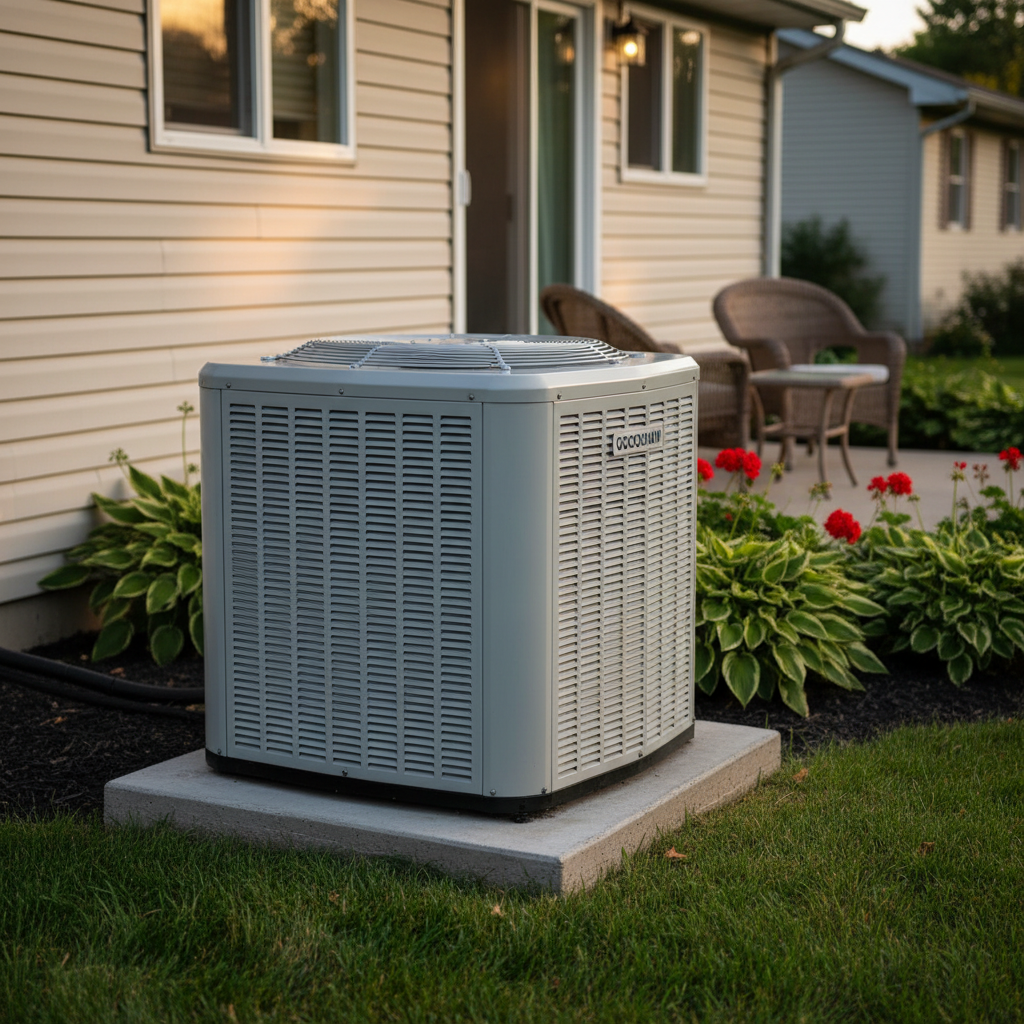
Central air conditioners are essential split systems, typically consisting of an outdoor condenser unit and an indoor evaporator coil and air handler, working together to circulate cool, conditioned air throughout your home via ductwork. Goodman offers a range of these systems, including traditional single-stage, more advanced two-stage, and highly efficient variable-speed models, ensuring there’s a unit to suit various household sizes, climates, and energy-efficiency goals.
Key Factors When Choosing a Goodman Central Air Conditioner
Selecting the perfect central air conditioner involves considering several critical factors to ensure optimal performance, comfort, and energy savings. Goodman provides options across the spectrum to meet diverse homeowner needs.
Capacity (BTU)
The cooling capacity of an air conditioner is measured in British Thermal Units (BTU) per hour. Choosing the correct BTU rating is paramount; an undersized unit will struggle to cool your home adequately, while an oversized unit will short-cycle, leading to poor humidity control and increased energy consumption.
To determine the appropriate BTU for your home, professional HVAC technicians perform a Manual J load calculation, which considers factors like:
- Home size and insulation
- Window types and orientation
- Local climate
- Number of occupants and heat-generating appliances
|
Our Picks for the Best Air conditioner in 2026
As an Amazon Associate I earn from qualifying purchases.
|
||
| Num | Product | Action |
|---|---|---|
| 1 | 12000 BTU Portable Air Conditioner, 3-in-1 Portable AC Unit with Cooling, Dehumidifier and Fan Modes, Cools Up to 450 Sq.Ft, LED Display Air Conditioners with Window Kit and Remote Control |

|
| 2 | Frigidaire 5,000 BTU Window-Mounted Air Conditioner, Cools Up to 150 Sq. Ft., Quiet Operation, Effortless Temperature Control, 2 Fan Speeds, Auto Restart, White |
|
| 3 | Feelfunn 8,000 BTU Portable Air Conditioner - 3-in-1 Portable AC Unit for Rooms Up to 350 Sq. Ft., with Remote Control, Cooling, Dehumidifier & Fan Modes, AC Unit for Bedroom, Office, Apartment |
|
| 4 | Midea 12,000 BTU U-Shaped Smart Inverter Window Air Conditioner–Cools up to 550 Sq. Ft., Ultra Quiet with Open Window Flexibility, Compatible with Alexa/Google Assistant, 35% Energy Savings (Renewed) |
|
| 5 | Amazon Basics 6000-BTU Window Air Conditioner with Quiet Operation, Up to 250 Sqf, Cool and Fan Functions, Washable Filter, Adjustable Window Kit, Digital Temperature Display, Remote Control, White |
|
| 6 | LEVOIT Tower Fan for Bedroom, 90° Oscillating Standing Fan with 28dB Quiet for Sleep, 25ft/s Velocity, 12H Timer, 5 Speeds 4 Modes, Remoter, Bladeless Room Fan for Home, Office, Indoor, 36 inch, White |
|
| 7 | Midea 5,000 BTU EasyCool Small Window Air Conditioner - Cool up to 150 Sq. Ft. with Easy-to-Use Mechanical Controls and Reusable Filter, Perfect for Small Bedroom, Living Room, Home Office |
|
| 8 | Midea 8,000 BTU U Shaped Smart Inverter Window Air Conditioner - Cools 350 Sq Ft, Ultra Quiet with Open Window Flexibility - Alexa/Google Assistant Compatible - 37% Energy Savings, Remote (Updated) |
|
| 9 | Amazon Basics 5000-BTU Window Air Conditioner with Quiet Operation, Up to 150 Sqf, Cool and Fan Functions, Washable Filter, Adjustable Window Kit, Intuitive Mechanical Controls, for Small Room, White |
|
| 10 | Shinco 8,000 BTU Portable Air Conditioner, AC Unit with Built-in Cool, Dehumidifier & Fan Modes for Room up to 350 sq.ft, Conditioner Remote Control, 24 Hour Timer, Installation Kit |
|
Ensuring your Goodman unit has the right capacity for your space is the first step toward long-term comfort and efficiency.
Types of Goodman Air Conditioners
Goodman offers central air conditioners with varying compressor technologies, each providing different levels of comfort and efficiency:
- Single-Stage: These units operate at full capacity whenever they run. They are the most basic and typically the most affordable option, suitable for milder climates or budget-conscious buyers who need straightforward cooling.
- Two-Stage: Offering more precise temperature and humidity control, two-stage compressors can operate at approximately 70% capacity on milder days and ramp up to 100% during peak heat. This allows for longer, more even cooling cycles, reducing temperature swings and improving indoor humidity.
- Variable-Speed: Goodman’s most advanced units feature variable-speed compressors, which can adjust their output incrementally to match cooling demands precisely. This technology provides the highest energy efficiency, superior humidity control, and exceptionally quiet operation, creating consistent indoor comfort.
Technology and Features
Goodman has integrated several technologies to enhance the performance and user experience of its central air conditioners:
- SEER2 Ratings: In 2023, the HVAC industry adopted SEER2 (Seasonal Energy Efficiency Ratio 2) standards, reflecting real-world operating conditions more accurately. Goodman’s models are compliant, with ratings typically ranging from 13 to 22.5 SEER2, and flagship models reaching up to 24.5 SEER2, indicating significant energy savings.
- Inverter Technology: Found in variable-speed models, inverter technology allows the compressor to modulate its speed rather than simply turning on or off. This reduces energy waste and provides more consistent cooling.
- ComfortBridge™ Technology: This proprietary technology enables intelligent communication between Goodman’s HVAC components, optimizing system performance and enhancing overall comfort and efficiency.
- Quiet Operation: Many Goodman models, especially mid-to-high tier units like the GSXC7 and GSXV9, are designed for noticeably quieter performance, minimizing disruption to your home environment.
- Smart Thermostat Compatibility: Modern Goodman units can integrate with smart thermostats, allowing for remote control, energy monitoring, and advanced scheduling features.
- CoreSense™ Diagnostics: Some units include diagnostic features that help prevent compressor damage and simplify troubleshooting, potentially reducing repair costs and downtime.
Brand Reputation and Cost
Goodman has built a strong reputation as a brand that delivers performance at an accessible price point, making it a “go-to choice” for many homeowners. While it might not boast all the premium features or ultra-quiet designs of higher-end competitors like Carrier or Trane, Goodman often excels in its cost-to-performance ratio.
The initial installation cost for Goodman units is generally lower than premium brands, which can be a significant advantage for budget-conscious buyers. Furthermore, their parts are widely available, simplifying repairs and potentially lowering long-term maintenance costs compared to brands requiring proprietary components. This balance of affordability, efficiency, and widespread contractor support makes Goodman a strong contender in the HVAC market.
Comparing Popular Goodman Central Air Conditioner Models
Goodman offers a diverse range of models, each tailored to specific needs and budgets. Here’s a comparison of some popular options:
| Model | Compressor Type | SEER2 Rating | Best Use Case |
|---|---|---|---|
| GSXN3 | Single-Stage | Up to 13.4 | Budget-conscious buyers, rental properties, mild climates |
| GSXH5 | Single-Stage | Up to 15.2 | Homeowners seeking moderate efficiency and value |
| GSXC7 | Two-Stage | Up to 17.5 | Families wanting quieter, more stable cooling and humidity control |
| GSXV9 | Variable-Speed | Up to 22.5 | Maximum energy savings, consistent comfort, smart homes |
| GVXC20 | Variable-Speed (Inverter) | Up to 24.5 | Top-tier efficiency, ultra-quiet, large homes, high humidity |
The GSXN3 is the entry-level option, offering basic, reliable cooling at the lowest initial cost. The GSXH5 represents a step up, providing improved efficiency and quieter operation. For those desiring enhanced comfort and humidity management without a premium price tag, the GSXC7 with its two-stage operation is an excellent choice. The GSXV9 and GVXC20 models sit at the pinnacle of Goodman’s lineup, delivering maximum energy efficiency and superior indoor climate control through variable-speed and inverter technologies.
“Goodman offers a solid foundation for home cooling. While they might not lead in every high-tech feature, their commitment to core reliability and accessible pricing makes them a smart choice for many households, especially when paired with a quality installation.” – Alex Chen, HVAC Lead Technician
Goodman Central Air Conditioner Buying Guide
Making the right choice for your central air conditioner involves more than just picking a brand. It requires a thoughtful process to ensure the unit perfectly matches your home and lifestyle.
Determine Your Needs
Before diving into models, clearly define what you need:
- Room Size: Accurate measurements are crucial for determining the correct BTU capacity. An HVAC professional will conduct a load calculation.
- Occupancy: The number of people living in your home influences cooling requirements.
- Usage Frequency: Do you need consistent cooling throughout the day, or mainly in the evenings?
- Budget: Establish both your upfront investment and your long-term operating cost expectations (influenced by SEER2).
- Energy Goals: Are you aiming for maximum energy savings, or is a moderate efficiency sufficient?
Research and Compare
Armed with your needs, research different Goodman models and their specifications. Pay close attention to:
- SEER2 Ratings: Higher ratings mean greater energy efficiency and lower utility bills.
- Features: Do you need variable-speed operation for ultimate comfort, or are basic cooling functions enough? Consider features like quiet operation, smart thermostat compatibility, and enhanced humidity control.
- Warranty: Understand the different warranty tiers Goodman offers, especially the benefits of product registration.
- Customer Reviews: Read reviews from other homeowners to gauge real-world performance and satisfaction.
Selection and Purchase
Once you’ve narrowed down your choices, it’s time to engage with a professional:
- Authorized Dealers: Purchase and install your Goodman unit through an authorized HVAC dealer. They can provide expert advice, ensure proper sizing, and handle installation.
- Get Multiple Quotes: Obtain detailed quotes from several reputable contractors, comparing not just the unit price but also installation costs and labor warranties.
- Check the Product: Before final payment, inspect the unit to ensure it matches your order and is free from visible damage.
Installation and Maintenance
The longevity and efficiency of your Goodman central air conditioner heavily depend on proper installation and consistent maintenance.
- Professional Installation: This cannot be stressed enough. A poor installation can negate the benefits of even the best AC unit, leading to inefficiencies, frequent breakdowns, and voided warranties. Ensure your installer is certified and experienced with Goodman systems.
- Regular Maintenance: Schedule annual professional tune-ups to keep your unit running at peak performance.
- DIY Care: Regularly change or clean your air filter (every 1-3 months) to maintain airflow and efficiency. Keep the outdoor condenser unit free from debris like leaves and dirt.
Tips for Energy-Efficient Goodman AC Use
Maximizing the energy efficiency of your Goodman central air conditioner can lead to significant savings on your utility bills.
- Set the Right Temperature: Aim for a comfortable yet energy-saving temperature, typically around 78°F (26°C) when home. Each degree lower can increase energy consumption.
- Utilize Programmable or Smart Thermostats: Program your thermostat to raise the temperature when you’re away or sleeping, and lower it before you arrive home. Smart thermostats can learn your habits and optimize settings automatically.
- Seal Your Home: Prevent conditioned air from escaping by sealing gaps around windows and doors, and ensuring proper insulation in your attic and walls.
- Regular Filter Changes: A clogged air filter restricts airflow, forcing your AC to work harder. Replace disposable filters monthly or clean reusable ones as recommended.
- Keep Vents Unobstructed: Ensure all supply and return vents are open and not blocked by furniture or curtains to allow for proper airflow.
- Use Fans: Ceiling fans can make a room feel several degrees cooler, allowing you to set your thermostat slightly higher without sacrificing comfort.
- Shade Your Outdoor Unit: While not blocking airflow, shading your outdoor condenser unit from direct sunlight can improve its efficiency.
Conclusion
Goodman central air conditioners present a compelling option for homeowners seeking reliable, efficient, and affordable cooling solutions. With a range of models from cost-effective single-stage units to highly efficient variable-speed systems, Goodman caters to diverse needs and budgets. The brand’s commitment to competitive pricing, robust warranties (especially with registration), and readily available parts enhances its overall value proposition.
While Goodman may not always offer the most high-tech bells and whistles found in premium brands, its focus on dependable performance and ease of servicing makes it a strong contender in the market. Remember, the quality of installation is paramount to enjoying the full benefits of any air conditioning system, including Goodman’s. By understanding your specific cooling needs, researching models, and partnering with a reputable installer, you can ensure your Goodman central air conditioner provides years of comfortable, efficient cooling. Are you ready to discover the ideal Goodman AC unit that transforms your home into a haven of comfort?
Frequently Asked Questions
Is Goodman a reliable brand for central air conditioners?
Yes, Goodman is widely regarded as a reliable HVAC brand. Many homeowners report their units performing dependably for 10-15 years or more, especially when professionally installed and regularly maintained. While some entry-level models use simpler components, the overall brand is known for its value and durability.
How energy efficient are Goodman air conditioners?
Goodman offers a range of energy efficiencies, with models compliant with the latest SEER2 standards. Entry-level units typically start around 13.4 SEER2, while their advanced variable-speed models can reach up to 24.5 SEER2, offering significant energy savings.
How does Goodman compare to premium AC brands like Carrier or Trane?
Goodman generally offers more budget-friendly options compared to premium brands like Carrier or Trane. While premium brands might offer more advanced features, quieter operation, and higher average efficiencies, Goodman often provides a better cost-to-performance ratio and easier parts availability, making it a strong value choice.
What is the warranty for a Goodman central air conditioner?
Goodman typically provides a 5-year parts limited warranty without registration. However, if you register your unit within 60 days of installation, the warranty extends to a 10-year parts limited warranty. Select high-efficiency models may also include a 10-year unit replacement limited warranty and a lifetime compressor limited warranty for the original registered owner.
Can I install a Goodman AC unit myself?
While some basic tasks might be DIY-friendly, professional HVAC installation for a central air conditioner is highly recommended. Proper sizing, refrigerant handling, electrical connections, and ductwork integration are complex and critical for performance, safety, and maintaining your warranty.
Are Goodman AC units noisy?
Noise levels can vary by model. Goodman’s mid-tier and high-end units, such as the GSXC7 and GSXV9, are often praised for their quiet operation. Entry-level single-stage models may be slightly louder, but overall, Goodman strives for designs that minimize disruptive noise.
How long do Goodman air conditioners typically last?
With proper professional installation and consistent maintenance, a Goodman central air conditioner can typically last between 12 to 15 years, and in some cases, even longer. Regular servicing, including filter changes and coil cleaning, is key to extending its lifespan.