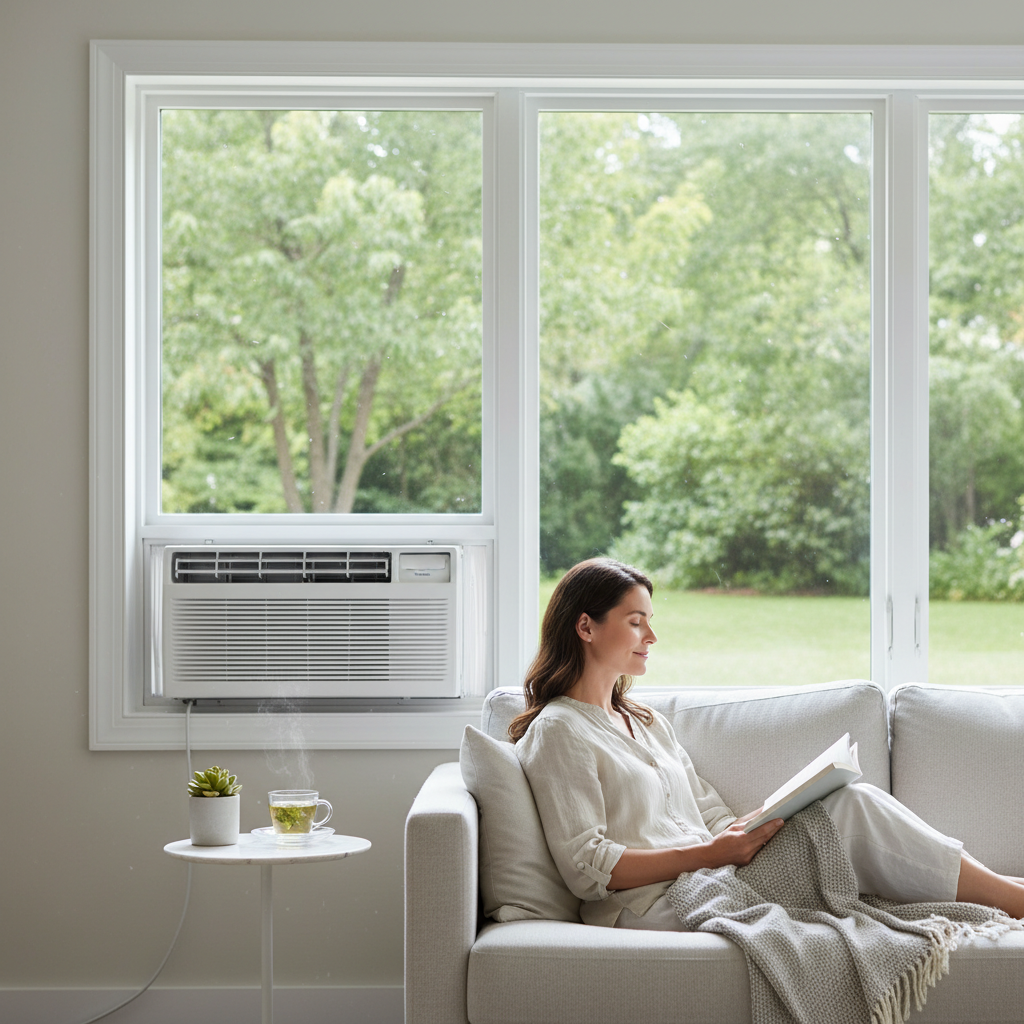
The biting cold of winter often sends us scrambling for solutions to keep our homes warm and cozy. While traditional air conditioners are synonymous with summer relief, many modern units now offer powerful heating capabilities, providing year-round comfort in a single, efficient system. These dual-function units, often known as heat pumps, are becoming an indispensable addition to homes looking for both cooling and heating without the need for separate appliances. Imagine transitioning seamlessly from a cool oasis in summer to a warm haven in winter, all at the touch of a button.
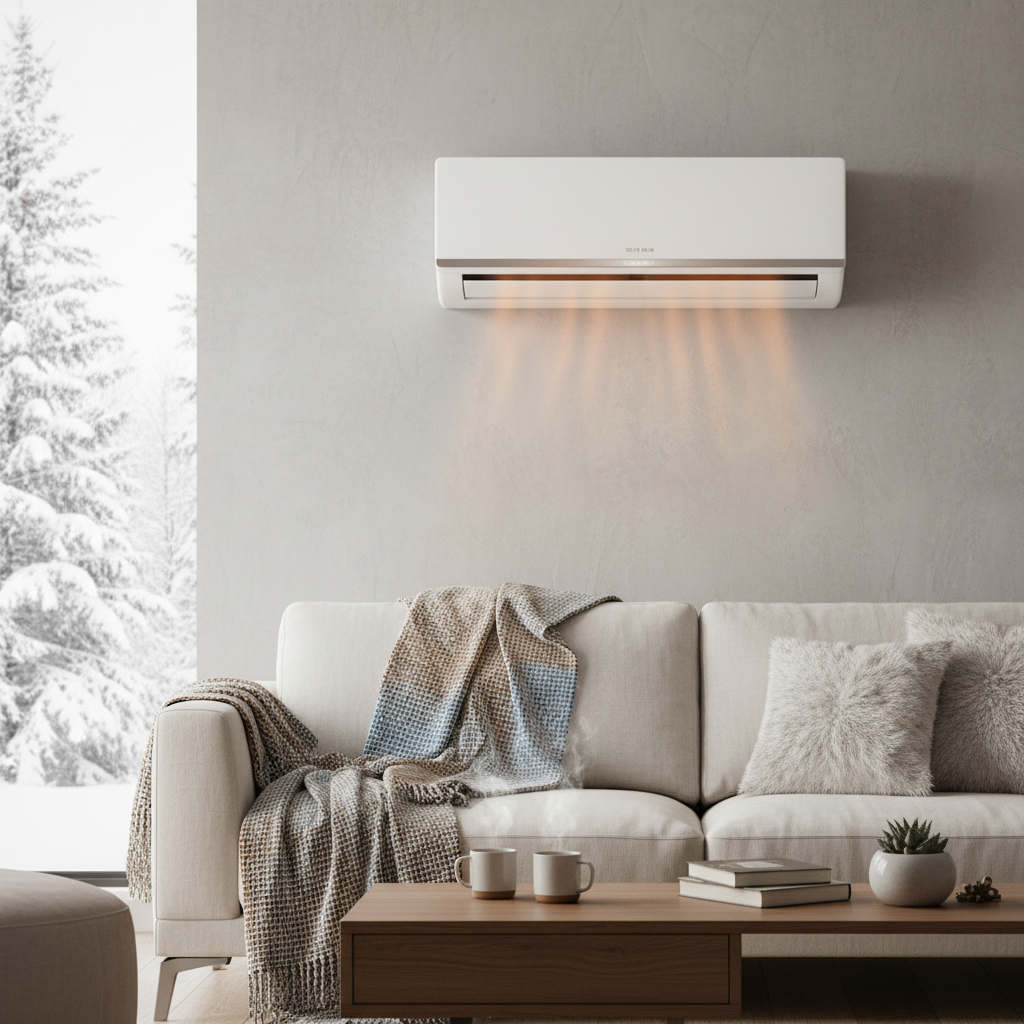
This comprehensive guide will help you navigate the world of air conditioners with heating functions, ensuring you make an informed decision for optimal climate control in your living space. We’ll explore what these systems are, the crucial factors to consider before purchasing, popular models, and essential tips for efficient use and maintenance.
Understanding Air Conditioners with Heating Function
When we talk about an “air conditioner with a heating function,” we are primarily referring to a heat pump. Unlike a traditional furnace that generates heat by burning fuel, a heat pump works by transferring heat. In summer, it extracts heat from indoors and expels it outside, just like a standard air conditioner. In winter, a reversing valve allows the process to work in reverse: it extracts heat from the outdoor air (even in chilly temperatures) and transfers it indoors to warm your home.
This technology offers significant energy efficiency advantages, particularly in moderate climates, as it moves heat rather than creating it. The evolution of these systems has led to increasingly sophisticated models capable of performing effectively even in very low outdoor temperatures, making them a viable heating solution for many regions.
Several types of AC systems can incorporate a heating function:
- Mini-Split Systems (Ductless): These consist of an outdoor compressor/condenser and one or more indoor air-handling units, connected by refrigerant lines. They are ideal for homes without existing ductwork or for zoning specific areas.
- Central Heat Pumps: These systems work with your home’s existing ductwork to distribute heated or cooled air throughout the entire house.
- Window Units: Some window-mounted air conditioners come with a supplemental heating element, offering localized heating and cooling.
- Portable Units: These movable units offer flexibility, providing spot cooling and heating in different rooms as needed.
- Through-the-Wall Units: A more permanent alternative to window units, these are installed directly into a wall opening and can also feature heating capabilities.
Key Factors When Choosing an AC with Heating Function
Selecting the right air conditioner with a heating function requires careful consideration of several technical and practical aspects.
Capacity (BTU)
|
Our Picks for the Best Air conditioner in 2026
As an Amazon Associate I earn from qualifying purchases.
|
||
| Num | Product | Action |
|---|---|---|
| 1 | Amazon Basics 6000-BTU Window Air Conditioner with Quiet Operation, Up to 250 Sqf, Cool and Fan Functions, Washable Filter, Adjustable Window Kit, Digital Temperature Display, Remote Control, White |

|
| 2 | LEVOIT Tower Fan for Bedroom, 90° Oscillating Standing Fan with 28dB Quiet for Sleep, 25ft/s Velocity, 12H Timer, 5 Speeds 4 Modes, Remoter, Bladeless Room Fan for Home, Office, Indoor, 36 inch, White |
|
| 3 | Amazon Basics 5000-BTU Window Air Conditioner with Quiet Operation, Up to 150 Sqf, Cool and Fan Functions, Washable Filter, Adjustable Window Kit, Intuitive Mechanical Controls, for Small Room, White |
|
| 4 | Midea 12,000 BTU U-Shaped Smart Inverter Window Air Conditioner–Cools up to 550 Sq. Ft., Ultra Quiet with Open Window Flexibility, Compatible with Alexa/Google Assistant, 35% Energy Savings (Renewed) |
|
| 5 | Midea 5,000 BTU EasyCool Small Window Air Conditioner - Cool up to 150 Sq. Ft. with Easy-to-Use Mechanical Controls and Reusable Filter, Perfect for Small Bedroom, Living Room, Home Office |
|
| 6 | Frigidaire 5,000 BTU Window-Mounted Air Conditioner, Cools Up to 150 Sq. Ft., Quiet Operation, Effortless Temperature Control, 2 Fan Speeds, Auto Restart, White |
|
| 7 | 12000 BTU Portable Air Conditioner, 3-in-1 Portable AC Unit with Cooling, Dehumidifier and Fan Modes, Cools Up to 450 Sq.Ft, LED Display Air Conditioners with Window Kit and Remote Control |
|
| 8 | Feelfunn 8,000 BTU Portable Air Conditioner - 3-in-1 Portable AC Unit for Rooms Up to 350 Sq. Ft., with Remote Control, Cooling, Dehumidifier & Fan Modes, AC Unit for Bedroom, Office, Apartment |
|
| 9 | Midea 8,000 BTU U Shaped Smart Inverter Window Air Conditioner - Cools 350 Sq Ft, Ultra Quiet with Open Window Flexibility - Alexa/Google Assistant Compatible - 37% Energy Savings, Remote (Updated) |
|
| 10 | Shinco 8,000 BTU Portable Air Conditioner, AC Unit with Built-in Cool, Dehumidifier & Fan Modes for Room up to 350 sq.ft, Conditioner Remote Control, 24 Hour Timer, Installation Kit |
|
BTU, or British Thermal Unit, is a fundamental measurement of a unit’s heating and cooling power. It indicates how much heat an AC can remove from a space per hour (cooling) or add to it (heating). Choosing the correct BTU capacity is paramount for efficiency and comfort. An undersized unit will struggle to heat or cool your space adequately, running constantly and wasting energy. Conversely, an oversized unit will cycle on and off too frequently, leading to uneven temperatures, increased wear and tear, and higher humidity indoors.
To calculate the appropriate BTU, consider the room’s square footage, ceiling height, insulation quality, number of windows, sun exposure, and the number of occupants. A general guideline suggests around 20 BTU per square foot for cooling, but heating requirements might differ based on your local climate. Consulting an HVAC professional can provide a precise calculation tailored to your home.
Type of AC System
The optimal system type largely depends on your home’s layout, existing infrastructure, and specific needs.
- Mini-Split Heat Pumps:
- Pros: Highly energy-efficient, allows for zone control (heating/cooling individual rooms), no ductwork required, quieter indoor operation.
- Cons: Higher upfront installation cost for multiple indoor units, visible indoor units.
- Best For: Homes without ducts, room additions, or specific areas needing independent temperature control.
- Central Heat Pumps:
- Pros: Whole-home comfort, seamless integration with existing ductwork, unobtrusive.
- Cons: More complex installation than mini-splits if ductwork is needed, all zones are controlled together.
- Best For: Larger homes with existing duct systems, uniform heating/cooling needs.
- Window Units with Heat:
- Pros: Affordable, relatively easy to install (DIY possible), provides localized comfort.
- Cons: Can be noisy, obstructs window view, less efficient for primary heating, security concerns.
- Best For: Small rooms, apartments, supplemental heating/cooling in a single area.
- Portable AC & Heater Combos:
- Pros: Flexible, no installation beyond venting, can be moved between rooms.
- Cons: Least efficient due to air leakage, noisy, takes up floor space, often requires manual draining.
- Best For: Temporary solutions, renters, small offices, spot cooling/heating.
- Through-the-Wall Units:
- Pros: More permanent than window units, typically more secure, efficient for single rooms.
- Cons: Requires wall alteration for installation, less portable.
- Best For: Hotel rooms, apartments, dedicated single rooms where a window unit isn’t suitable.
Technology and Features
Modern ACs with heating functions come packed with features designed to enhance comfort, efficiency, and convenience.
- Energy Efficiency: Look for high SEER (Seasonal Energy Efficiency Ratio) for cooling and HSPF (Heating Seasonal Performance Factor) for heating, as well as Energy Star certification. Inverter technology is crucial here; it allows the compressor to vary its speed, leading to precise temperature control, quieter operation, and significant energy savings compared to traditional on/off compressors. Many high-efficiency units boast A+++ or A++ energy ratings.
- Advanced Heating Performance: For colder climates, consider units designed to operate effectively in low outdoor temperatures. Some models can heat efficiently down to -13°F (-25°C) or even -30°C, ensuring warmth even during severe winter cold snaps. This is often indicated by “hyper-heating” or “cold climate” specifications.
- Smart Features: Wi-Fi connectivity and smartphone app control allow you to manage your unit remotely, set schedules, and monitor energy usage. Voice assistant integration (e.g., Alexa, Google Assistant) adds hands-free convenience.
- Air Quality Features: Many units now include advanced filtration systems, activated carbon filters, ionizers, or UV-C lights to remove allergens, pollutants, bacteria, and odors, contributing to healthier indoor air, especially important during seasons when windows are closed.
- Quiet Operation: Noise levels are measured in decibels (dB). For bedrooms or living areas, look for units with low dB ratings (e.g., below 50 dB for indoor units, or even lower for premium models) for undisturbed comfort.
- Dehumidification: While not strictly a heating feature, effective dehumidification improves overall comfort and can prevent mold growth.
- Programmable Thermostats: Allow for setting different temperatures at various times of the day, optimizing comfort and energy use.
Brand Reputation and Cost
Investing in a reputable brand often translates to better performance, reliability, and customer support. Leading brands in the AC and heat pump market include Daikin, Gree, Mitsubishi Electric, LG, Carrier, Lennox, Trane, Haier, Fujitsu, Midea, Whynter, and Keystone. Researching customer reviews and expert ratings for specific models can provide valuable insights.
Costs vary widely based on the system type, capacity, brand, and features. While upfront costs for high-efficiency heat pumps can be higher than traditional ACs, the long-term energy savings, especially on heating bills, often justify the investment. Consider installation costs, which can range from a few hundred for a window unit to several thousands for a complex multi-zone mini-split or central system. Look for warranties on compressors and parts, which indicate a manufacturer’s confidence in their product.
Top ACs with Heating Function for Winter (Comparison)
Choosing the best unit can be overwhelming given the variety. Here’s a comparative overview of some popular and highly-rated models that excel in providing both heating and cooling, based on general market offerings and features often highlighted by experts:
| Feature/Model | Type | BTU Range (Cool/Heat) | Energy Rating (SEER/HSPF/EER) | Key Features | Ideal For |
|---|---|---|---|---|---|
| Mitsubishi Hyper-Heating H2i | Mini-Split | 9,000-36,000 | High SEER/HSPF (e.g., up to 24/10.5) | Operates down to -13°F (-25°C), advanced inverter, quiet operation, zone control | Extreme cold climates, precise zone control, high efficiency |
| Daikin Stylish White | Mini-Split | 9,000-24,000 | A+++ (Heat/Cool), R32 refrigerant | Elegant design, Wi-Fi control, inverter compressor, environmentally friendly | Modern interiors, energy-conscious users, year-round comfort |
| Gree Amber Prestige | Mini-Split | 9,000-24,000 | A++/A+++ | Heats down to -30°C, air ionization, quiet operation, wide operating range | Very cold climates, improved air quality, economical |
| Carrier Infinity 24 Heat Pump | Central | Varies | Up to 24 SEER2 / 10.5 HSPF2 | Greenspeed Intelligence, inverter technology, whole-home solution | Large homes, extreme hot/cold climates, maximum efficiency |
| Midea EasyCool Smart Inverter | Window | 12,000 BTU | Up to 11 EER | Inverter technology, Wi-Fi control, suitable for up to 550 sq ft | Medium rooms, budget-friendly, smart features, supplemental heating |
| Whynter ARC-1230WNH | Portable | 14,000/13,000 BTU | 10.79 EER | Dual-hose design, ultra-quiet inverter, strong heating, dehumidification | Large rooms (up to 600 sq ft), portability, all-in-one |
| LG DUALCOOL STANDARD | Mini-Split | 9,000-24,000 | High SEER/HSPF | Dual inverter compressor, Wi-Fi control, active energy control | Moderate climates, energy savings, smart home integration |
“The advancement in heat pump technology, especially inverter-driven models, has revolutionized year-round climate control. They are no longer just for mild climates; many units now provide robust heating even in sub-zero temperatures, offering superior energy efficiency over traditional heating methods.” – HVAC Expert Review
Buying Guide for Your Ideal AC with Heating
Making the right choice for a year-round comfort system involves a systematic approach.
1. Assess Your Heating & Cooling Needs
Start by thoroughly evaluating your requirements:
- Room Size: Measure the square footage of the area you intend to heat and cool. This is critical for determining the correct BTU capacity.
- Local Climate: Do you experience mild winters, or do temperatures frequently drop below freezing? This will influence the minimum operating temperature capability you need for the heating function.
- Usage Frequency: Will the unit be your primary heating source, or will it supplement an existing system? How often will it run in both cooling and heating modes?
- Insulation and Sun Exposure: Well-insulated rooms with less direct sunlight will require less power, while poorly insulated, sunny rooms need more robust units.
2. Research and Compare Thoroughly
Once you have a clear idea of your needs, dive into research:
- Explore Options: Look into different types of units (mini-split, window, portable, central) that fit your architectural and lifestyle requirements.
- Compare Models: Use the criteria discussed above (BTU, energy efficiency, features, low-temp performance) to compare specific models from reputable brands.
- Read Reviews: Consult independent review sites, consumer reports, and user testimonials. Pay attention to comments regarding heating performance in winter, noise levels, and long-term reliability.
- Get Quotes: For mini-splits or central systems, obtain multiple quotes from certified HVAC contractors. This will help you compare not just unit costs but also installation services.
3. Purchase and Installation
- Choose a Reputable Vendor: Buy from authorized dealers or well-known retailers that offer warranties and reliable customer service.
- Professional Installation: For mini-split and central heat pump systems, professional installation is highly recommended. Improper installation can severely impact efficiency, performance, and warranty validity. Ensure the installer is certified and experienced with heat pump systems.
- Inspect the Product: Before and after installation, inspect the unit for any damage and confirm that all specified features are present and functioning correctly.
4. Installation and Maintenance for Longevity
To ensure your AC with heating function operates efficiently for years, proper installation and routine maintenance are crucial.
- Professional Installation: As mentioned, this is key for larger systems. A professional will ensure correct sizing, proper refrigerant charge, and secure electrical connections.
- Regular Cleaning: Clean or replace air filters monthly during peak usage seasons. Clogged filters restrict airflow, reducing efficiency and potentially damaging the unit.
- Coil Cleaning: Annually, have a professional clean the indoor evaporator and outdoor condenser coils. Dirty coils impair heat exchange.
- Check Refrigerant Levels: A professional technician can check refrigerant levels and address any leaks, which are detrimental to both cooling and heating performance.
- Clear Outdoor Unit: Keep the outdoor unit free from debris, snow, ice, or vegetation to ensure unrestricted airflow.
- Annual Servicing: Schedule professional maintenance annually to catch potential issues early, optimize performance, and ensure safe operation.
Tips for Using Your AC with Heating Function Efficiently
Maximizing efficiency not only saves money but also extends the lifespan of your unit.
- Set the Right Temperature: For heating, maintain a comfortable yet conservative temperature, typically around 68°F (20°C) during the day and lower at night or when away. Avoid drastic temperature swings.
- Utilize Programmable Thermostats/Smart Features: Schedule your unit to lower the temperature when you’re asleep or away and warm up before you return. Smart thermostats learn your preferences and optimize settings automatically.
- Seal Leaks and Insulate: Ensure your home is well-insulated, and seal any drafts around windows, doors, and ductwork. This prevents heat loss in winter (and heat gain in summer), allowing your unit to work less.
- Use the Fan Strategically: In heating mode, you can use the fan on a “low” or “auto” setting to distribute warm air more evenly without significantly increasing energy consumption.
- Don’t Block Vents: Ensure all indoor vents and outdoor coils are unobstructed to allow for optimal airflow.
- Combine with Other Heating (if needed): In extremely cold weather, a heat pump might struggle to be the sole heating source, especially if not a cold-climate model. Consider supplementing with space heaters in rooms you occupy or using ceiling fans in reverse to push warm air down.
- Regular Maintenance: As highlighted, routine cleaning and professional servicing are vital for maintaining peak energy efficiency.
Conclusion
Choosing the best air conditioner with a heating function for winter is a smart investment in year-round home comfort and energy efficiency. By understanding the types of systems available, prioritizing factors like BTU capacity, energy ratings, and cold-climate performance, and selecting a reputable brand, you can ensure your home remains perfectly tempered regardless of the season. With proper installation and diligent maintenance, these versatile units offer a sustainable and cost-effective solution to meet all your climate control needs.
Are you ready to embrace the comfort of a perfectly conditioned home, all year long?
Frequently Asked Questions
What is the primary difference between a heat pump and a traditional AC unit?
The main difference is that a heat pump provides both heating and cooling by reversing its refrigeration cycle, transferring heat into or out of your home. A traditional air conditioner, on the other hand, only cools by removing heat from your indoor space.
Can an AC with a heating function work in extremely cold winters?
Yes, many modern ACs with heating functions (heat pumps) are designed with advanced inverter technology that allows them to extract heat from outdoor air and provide effective heating even in very low temperatures, sometimes down to -13°F (-25°C) or colder.
How do I determine the right size (BTU) for my AC with heating?
The right BTU capacity depends on several factors, including your room’s square footage, ceiling height, insulation, number of windows, and local climate. It’s best to consult an HVAC professional for an accurate calculation to ensure optimal performance and energy efficiency.
Are ACs with heating functions more energy-efficient than separate heating and cooling systems?
Often, yes. Heat pumps (ACs with heating functions) are generally more energy-efficient for heating compared to electric resistance heaters because they transfer heat rather than generate it. When designed and installed correctly, they can lead to significant energy savings over separate systems.
What kind of maintenance do these units require?
Regular maintenance includes cleaning or replacing air filters monthly, keeping the outdoor unit clear of obstructions, and scheduling annual professional servicing to check refrigerant levels, clean coils, and ensure all components are functioning optimally.