Choosing the right air conditioner (AC) for your home can feel overwhelming, especially when faced with technical terms like “tonnage.” Understanding the difference between a 1-ton and a 1.5-ton cooling capacity is crucial for ensuring optimal comfort, energy efficiency, and cost-effectiveness. An improperly sized unit can lead to wasted energy, inadequate cooling, or even a shorter lifespan for your appliance. This comprehensive guide will break down everything you need to know about 1-ton and 1.5-ton air conditioners, helping you make the best decision for your space.
Understanding Air Conditioner Tonnage
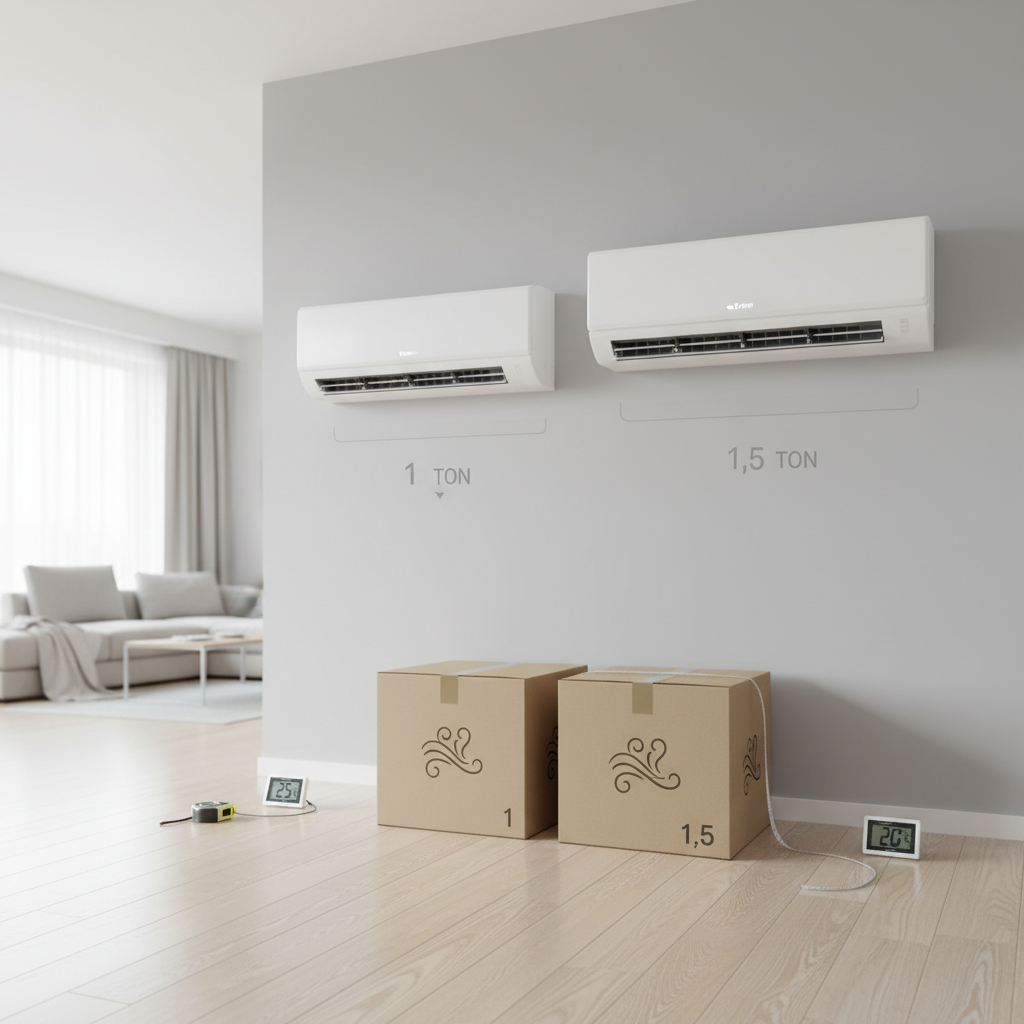
In the world of air conditioning, “ton” does not refer to the weight of the unit but rather its cooling capacity—the amount of heat an air conditioner can remove from a space in one hour. This capacity is typically measured in British Thermal Units (BTUs). One ton of cooling is equivalent to the ability to remove 12,000 BTUs of heat per hour. Therefore, a 1-ton air conditioner can remove 12,000 BTUs per hour, while a 1.5-ton air conditioner boasts a significantly higher capacity of 18,000 BTUs per hour. This 50% increase in cooling power allows the 1.5-ton unit to cool larger spaces more effectively and rapidly.
Selecting the correct tonnage is paramount for an air conditioner’s efficiency and your overall comfort. An undersized AC will struggle relentlessly to cool a room, leading to continuous operation, higher energy bills, and eventual wear and tear on the compressor. Conversely, an oversized unit will cool the room too quickly, resulting in “short cycling” – frequent on-and-off intervals. This not only wastes energy but also fails to adequately remove humidity from the air, leaving your space feeling damp and uncomfortable.
Key Factors When Comparing 1 Ton vs. 1.5 Ton Air Conditioners
The decision between a 1-ton and a 1.5-ton air conditioner hinges on several critical factors, ranging from the physical characteristics of your room to your long-term budget.
Cooling Capacity and Room Size
The primary differentiator between these two AC capacities is their ability to cool spaces of varying sizes.
- A 1-ton air conditioner is perfectly suited for smaller areas, typically ranging up to 150 square feet. This includes spaces such as compact bedrooms, small home offices, or cozy study rooms. Its cooling power of 12,000 BTUs per hour is adequate to maintain a comfortable temperature in these environments without overworking.
- A 1.5-ton air conditioner, with its 18,000 BTUs per hour, is designed for medium to larger rooms, generally covering an area between 150 and 250 square feet. This makes it an ideal choice for larger bedrooms, living rooms, dining areas, or small offices that require more robust cooling.
|
Our Picks for the Best Air conditioner in 2026
As an Amazon Associate I earn from qualifying purchases.
|
||
| Num | Product | Action |
|---|---|---|
| 1 | Frigidaire 5,000 BTU Window-Mounted Air Conditioner, Cools Up to 150 Sq. Ft., Quiet Operation, Effortless Temperature Control, 2 Fan Speeds, Auto Restart, White |

|
| 2 | Shinco 8,000 BTU Portable Air Conditioner, AC Unit with Built-in Cool, Dehumidifier & Fan Modes for Room up to 350 sq.ft, Conditioner Remote Control, 24 Hour Timer, Installation Kit |
|
| 3 | Midea 8,000 BTU U Shaped Smart Inverter Window Air Conditioner - Cools 350 Sq Ft, Ultra Quiet with Open Window Flexibility - Alexa/Google Assistant Compatible - 37% Energy Savings, Remote (Updated) |
|
| 4 | Midea 12,000 BTU U-Shaped Smart Inverter Window Air Conditioner–Cools up to 550 Sq. Ft., Ultra Quiet with Open Window Flexibility, Compatible with Alexa/Google Assistant, 35% Energy Savings (Renewed) |
|
| 5 | Amazon Basics 6000-BTU Window Air Conditioner with Quiet Operation, Up to 250 Sqf, Cool and Fan Functions, Washable Filter, Adjustable Window Kit, Digital Temperature Display, Remote Control, White |
|
| 6 | LEVOIT Tower Fan for Bedroom, 90° Oscillating Standing Fan with 28dB Quiet for Sleep, 25ft/s Velocity, 12H Timer, 5 Speeds 4 Modes, Remoter, Bladeless Room Fan for Home, Office, Indoor, 36 inch, White |
|
| 7 | Feelfunn 8,000 BTU Portable Air Conditioner - 3-in-1 Portable AC Unit for Rooms Up to 350 Sq. Ft., with Remote Control, Cooling, Dehumidifier & Fan Modes, AC Unit for Bedroom, Office, Apartment |
|
| 8 | Amazon Basics 5000-BTU Window Air Conditioner with Quiet Operation, Up to 150 Sqf, Cool and Fan Functions, Washable Filter, Adjustable Window Kit, Intuitive Mechanical Controls, for Small Room, White |
|
| 9 | 12000 BTU Portable Air Conditioner, 3-in-1 Portable AC Unit with Cooling, Dehumidifier and Fan Modes, Cools Up to 450 Sq.Ft, LED Display Air Conditioners with Window Kit and Remote Control |
|
| 10 | Midea 5,000 BTU EasyCool Small Window Air Conditioner - Cool up to 150 Sq. Ft. with Easy-to-Use Mechanical Controls and Reusable Filter, Perfect for Small Bedroom, Living Room, Home Office |
|
Using the wrong size AC for your room can lead to major inefficiencies. An undersized unit in a large room will run continuously, struggling to reach the desired temperature and increasing energy consumption. An oversized unit in a small room will cool too quickly, then shut off, starting a cycle of on-and-off operation that drains energy and leaves residual humidity, leading to a clammy feeling.
Energy Consumption and Efficiency
Naturally, a more powerful air conditioner consumes more electricity.
- A 1-ton air conditioner typically uses between 800 to 1,200 watts per hour.
- A 1.5-ton air conditioner generally consumes around 1,200 to 1,800 watts per hour.
While the 1.5-ton unit draws more power, its efficiency for larger spaces can make it more cost-effective in the long run. If a 1-ton AC is forced to cool a larger room, it will run for extended periods, ultimately consuming more energy than an appropriately sized 1.5-ton unit would. Energy efficiency is also indicated by ratings such as the Seasonal Energy Efficiency Ratio (SEER) or Bureau of Energy Efficiency (BEE) star ratings; a higher rating always signifies better energy savings regardless of tonnage.
Upfront and Operational Costs
The initial purchase price and ongoing operational costs are significant considerations.
- 1-ton air conditioners generally have a lower upfront cost. In some markets, they might range from ₹25,000 to ₹35,000. Their lower power consumption also translates to reduced monthly electricity bills, making them a more budget-friendly option for smaller spaces.
- 1.5-ton air conditioners are typically more expensive to purchase, with prices potentially ranging from ₹30,000 to ₹45,000 or more. Due to their higher cooling capacity, they consume more electricity, which will reflect in higher energy bills. However, for larger rooms, this higher cost is often justified by superior cooling performance and greater comfort. Installation costs can also vary, with split ACs typically costing more to install than window units, irrespective of tonnage.
Environmental and Other Considerations
Beyond room size and cost, several environmental and structural factors play a role in determining the ideal AC tonnage:
- Climate: In regions with extremely hot climates and prolonged summers, a 1.5-ton AC might be a better choice even for rooms slightly smaller than its typical recommendation. Its stronger cooling power can handle intense heat loads more effectively. In milder climates, a 1-ton AC may be sufficient for small to medium-sized rooms, providing efficient cooling without excessive power usage.
- Heat Load: Factors that increase a room’s heat load include direct exposure to sunlight, large windows, poor insulation, high ceilings, and the number of occupants. Rooms with higher heat loads will require an air conditioner with greater cooling capacity.
- Noise Levels: While advancements in AC technology have led to quieter models across all capacities, larger units with bigger compressors and fans might generate slightly more noise. However, manufacturers often provide decibel ratings, allowing you to choose a quieter model.
Making the Right Choice: A Detailed Comparison
To summarize the key differences and help you decide, here’s a detailed comparison between 1-ton and 1.5-ton air conditioners:
| Feature | 1 Ton Air Conditioner | 1.5 Ton Air Conditioner |
|---|---|---|
| Cooling Capacity | 12,000 BTUs/hour | 18,000 BTUs/hour |
| Room Size Suitability | Up to 150 sq ft (small bedrooms, studies, compact living) | 150-250 sq ft (larger bedrooms, living rooms, small offices) |
| Power Consumption (Avg. Watts/hr) | 800-1,200 watts | 1,200-1,800 watts |
| Upfront Cost | Generally lower (e.g., ₹25,000-₹35,000) | Generally higher (e.g., ₹30,000-₹45,000+) |
| Operational Cost | Lower electricity bills (for appropriate room size) | Higher electricity bills (for appropriate room size) |
| Ideal Scenario | Small, well-insulated rooms, limited usage, milder climates | Medium-to-large rooms, high heat load, frequent usage, hotter climates |
| Humidity Removal | Good, if properly sized | Better, due to longer run times (if properly sized) |
“Choosing the optimal AC capacity is not just about square footage; it’s about understanding the unique thermal dynamics of your space. An expert assessment can prevent costly mistakes and ensure true comfort.” – John Smith, HVAC Specialist
Expert Advice for Selecting Your Air Conditioner
Navigating the specifications of air conditioners can be complex. Here’s how to approach your buying decision with expert insight:
Assess Your Specific Needs
Start by precisely measuring your room’s dimensions (length x width to get square footage). Don’t forget to factor in ceiling height, as higher ceilings mean a larger volume of air to cool. Beyond measurements, consider the unique characteristics that affect heat gain:
- Sunlight Exposure: Rooms with large windows or direct, prolonged sunlight exposure will accumulate more heat and require a higher capacity.
- Insulation: Well-insulated rooms retain cool air better, potentially allowing for a slightly smaller unit.
- Occupancy: More people in a room generate more body heat, increasing the cooling demand.
- Usage Patterns: If you plan to run the AC for extended periods daily, an energy-efficient unit matched to the room size is even more critical.
Research and Compare Models
Once you have a clear understanding of your capacity needs, delve into specific models. Look beyond just tonnage:
- Energy Efficiency Ratings: Compare SEER (Seasonal Energy Efficiency Ratio) or BEE star ratings. Higher ratings mean better efficiency.
- Technology and Features: Consider inverter technology for variable speed compressors that save energy, or features like air purification, sleep modes, and smart connectivity.
- Brand Reputation and Reviews: Research reputable brands known for reliability and customer service. Read user reviews to understand real-world performance.
Professional Consultation
For complex scenarios, such as unusually shaped rooms, spaces with significant heat loads (e.g., kitchens, attic rooms), or unique architectural designs, consulting with an HVAC professional is highly recommended. An expert can perform a load calculation, taking into account all variables to precisely determine the ideal cooling capacity for your specific needs, preventing costly mistakes and ensuring optimal performance.
Tips for Maximizing Air Conditioner Efficiency
Regardless of whether you choose a 1-ton or 1.5-ton unit, adopting smart usage habits can significantly enhance its efficiency and extend its lifespan.
- Set the Right Temperature: Aim for a comfortable yet sensible temperature, typically between 75-78°F (24-26°C). Avoid setting it too low, as each degree cooler increases energy consumption.
- Utilize the Timer/Sleep Mode: Program your air conditioner to turn off or raise the temperature when you’re away or asleep.
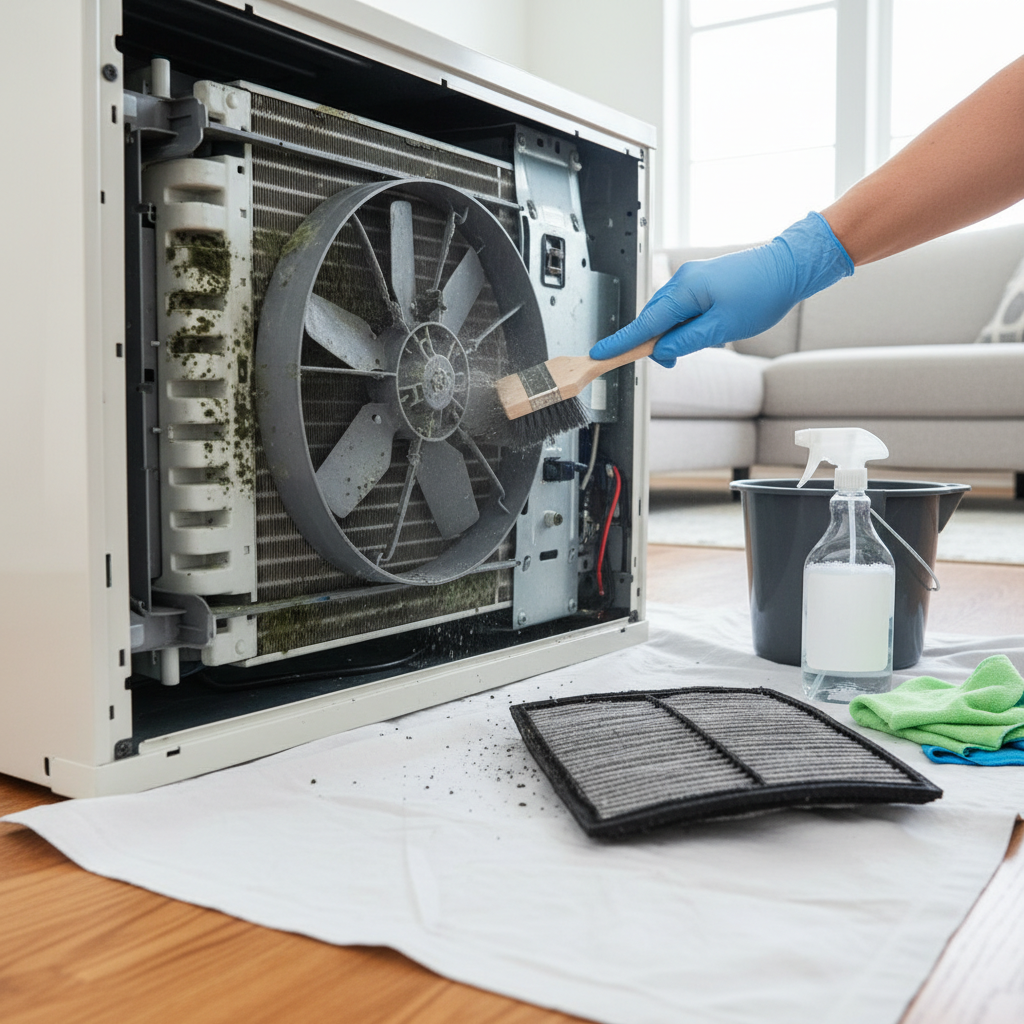
- Regular Maintenance and Cleaning: Clean or replace air filters monthly during heavy use. Dirty filters restrict airflow and force the unit to work harder. Schedule professional servicing annually to ensure all components are functioning optimally.
- Seal Your Space: Keep windows and doors closed when the AC is running to prevent cool air from escaping and hot air from entering. Use curtains or blinds to block direct sunlight.
- Combine with Fans: Ceiling fans or standing fans can help circulate cool air, making a room feel cooler by several degrees without lowering the thermostat, thereby reducing the AC’s workload.
Conclusion
Choosing between a 1-ton and a 1.5-ton air conditioner is a pivotal decision that directly impacts your home’s comfort, energy consumption, and long-term costs. While a 1-ton unit is an efficient and economical choice for smaller spaces up to 150 square feet, a 1.5-ton air conditioner provides the necessary cooling power for medium to larger rooms, typically between 150-250 square feet, or areas with higher heat loads. Understanding your room’s specific characteristics—including size, insulation, sunlight exposure, and occupancy—is essential for making an informed decision. By carefully assessing these factors and considering both upfront and operational expenses, you can select the air conditioner that perfectly aligns with your cooling needs and budget. Are you ready to make the smart choice for a perfectly cooled home?
Frequently Asked Questions
How do I accurately calculate the right AC tonnage for my room?
To accurately calculate AC tonnage, measure your room’s square footage (length x width). A general rule of thumb is 20 BTU per square foot. However, for precise calculations, especially for rooms with high ceilings, large windows, or significant sunlight exposure, multiply the square footage by 25 or even 30 BTU, then divide the total BTUs by 12,000 to get the tonnage.
Can a 1.5-ton AC be too powerful for a small room?
Yes, a 1.5-ton AC can be too powerful for a small room. An oversized unit will cool the room too quickly and then shut off (short cycling), failing to adequately dehumidify the air. This leads to inefficient operation, higher energy bills, and a clammy, less comfortable environment.
What happens if I use a 1-ton AC in a room that needs 1.5 tons?
Using a 1-ton AC in a room that requires a 1.5-ton unit will result in inefficient cooling and discomfort. The AC will struggle to reach the desired temperature, run continuously for longer periods, consume more energy, and experience increased wear and tear on its components, potentially shortening its lifespan.
Does climate or geographic location affect the recommended AC tonnage?
Yes, climate significantly affects the recommended AC tonnage. In hotter climates with prolonged high temperatures, a slightly larger AC unit, like a 1.5-ton, might be more effective even for rooms at the upper end of a 1-ton’s range, ensuring robust cooling performance. Conversely, in milder climates, a 1-ton AC may be sufficient for small to medium rooms.
What is the typical lifespan difference between a 1-ton and a 1.5-ton AC unit?
The typical lifespan of an air conditioner, regardless of whether it’s 1-ton or 1.5-ton, is generally 10-15 years, with proper maintenance. The key factor influencing lifespan is correct sizing and regular servicing. An AC that is consistently undersized or oversized will work harder and experience more stress, potentially shortening its operational life.