There’s nothing worse than your air conditioner struggling on a hot day, especially when you discover an unexpected puddle or a musty smell indoors. Often, the culprit is a clogged AC drain line, a common issue many homeowners face. Fortunately, clearing this blockage is a straightforward DIY task that can save you a service call and get your system running efficiently again.
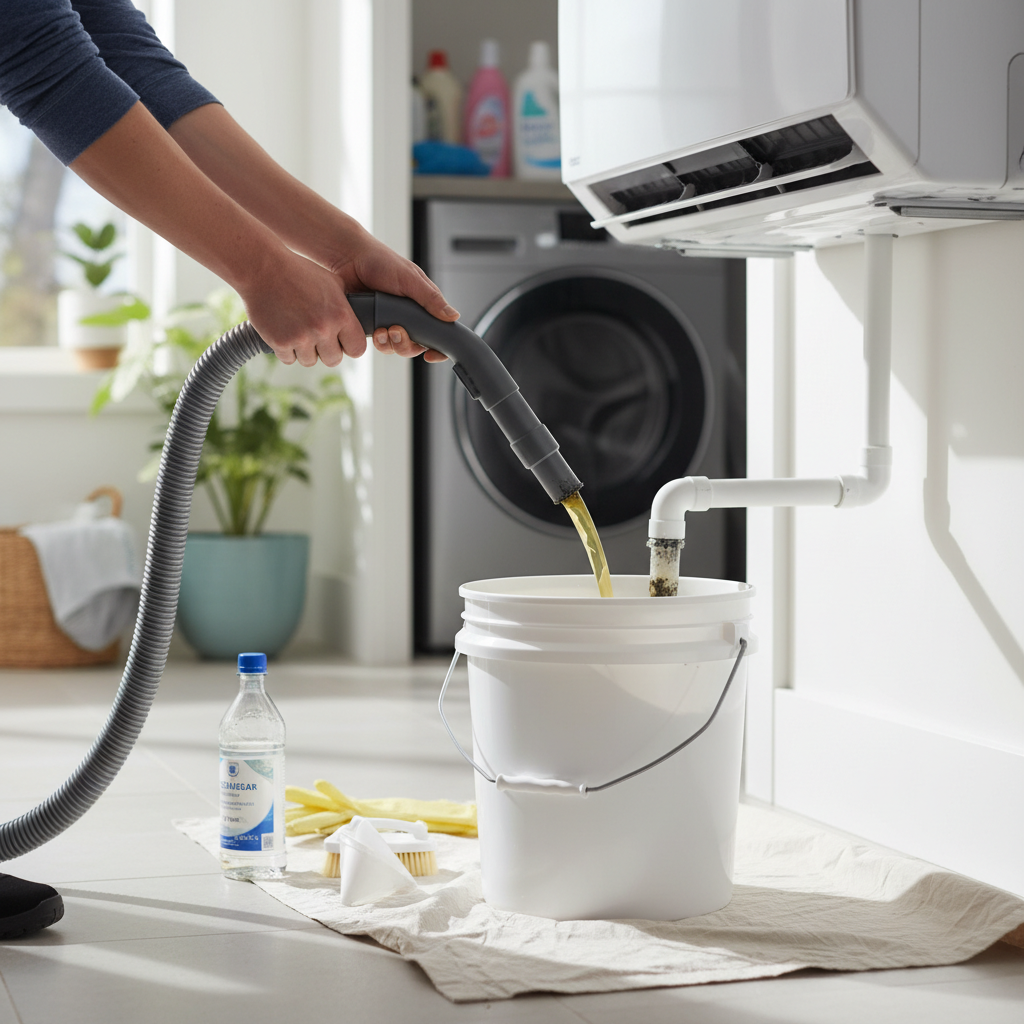
Your air conditioner does more than just cool your home; it also removes humidity. As warm, moist air passes over the evaporator coil, condensation forms, much like water droplets on a cold glass. This condensate then drips into a drain pan and flows out of your home through the condensate drain line, typically a PVC pipe. Over time, a mix of dust, dirt, mold, and algae can accumulate in this line, forming a gooey clog that prevents water from draining. When the line is blocked, water backs up, potentially leading to leaks, water damage, and even system shutdown.
Signs of a Clogged AC Drain Line
Recognizing the early signs of a clogged AC drain line can prevent more significant problems and costly repairs. Pay attention to these indicators:
- Visible Water Pooling or Leaks: Perhaps the most obvious sign is water pooling around the indoor AC unit, or leaking from the overflow pan. You might also notice water stains on ceilings or walls near the unit.
- Musty or Moldy Odors: Stagnant water in a clogged drain line creates an ideal breeding ground for mold and mildew. If you detect a musty or moldy smell emanating from your vents or around the indoor unit, it’s a strong indicator of moisture buildup and microbial growth.
- High Indoor Humidity: If your home feels uncomfortably humid despite your AC running, a clogged drain line could be hindering its dehumidification process. The system isn’t effectively removing moisture, leading to a sticky, muggy indoor environment.
- AC Unit Shutting Off: Many modern AC systems are equipped with a safety float switch. When water backs up in the drain pan due to a clog, this switch triggers an automatic shutdown to prevent water damage. While inconvenient, this feature protects your home and HVAC system.
- Reduced Cooling Efficiency: An overflowing drain pan can affect the evaporator coil’s performance, causing your AC to work harder to cool your home, yet deliver less effective results. This can lead to your AC running more frequently without achieving desired temperatures.
- Increased Energy Bills: When your AC system has to work harder due to a clog, it consumes more energy. This inefficiency will often translate to a noticeable increase in your monthly utility bills.
- Visible Algae or Slime: If you can locate the outdoor end of your AC drain line (often a ¾-inch PVC pipe), you might observe green or black slime, or a slow drip instead of a steady flow, indicating an algae or bacterial buildup inside the line.
Essential Tools for DIY AC Drain Line Unclogging
Before you begin, gather the following tools and materials. Most are likely already in your home:
- Wet/Dry Shop Vacuum: This is arguably the most effective tool for quickly clearing stubborn clogs.
- White Distilled Vinegar: An excellent, eco-friendly solution for breaking down organic matter like mold and algae.
- Hot Water: Can be used alone or mixed with vinegar/bleach to help flush the line.
- Funnel: Useful for neatly pouring liquids into the drain line access point.
- Rags or Duct Tape: To create a tight seal when using the shop vacuum.
- Bleach (Optional): A small amount (mixed with water) can kill microbial growth. Never mix bleach with vinegar, as this creates dangerous fumes.
- Gloves and Eye Protection: Always prioritize safety.
Step-by-Step Guide: How to Unclog Your AC Drain Line
Clearing your AC drain line can typically be done in a few simple steps. Always prioritize safety before starting any maintenance.
Safety First: Power Down Your AC
|
Our Picks for the Best Air conditioner in 2026
As an Amazon Associate I earn from qualifying purchases.
|
||
| Num | Product | Action |
|---|---|---|
| 1 | Amazon Basics 5000-BTU Window Air Conditioner with Quiet Operation, Up to 150 Sqf, Cool and Fan Functions, Washable Filter, Adjustable Window Kit, Intuitive Mechanical Controls, for Small Room, White |

|
| 2 | Midea 8,000 BTU U Shaped Smart Inverter Window Air Conditioner - Cools 350 Sq Ft, Ultra Quiet with Open Window Flexibility - Alexa/Google Assistant Compatible - 37% Energy Savings, Remote (Updated) |
|
| 3 | Midea 12,000 BTU U-Shaped Smart Inverter Window Air Conditioner–Cools up to 550 Sq. Ft., Ultra Quiet with Open Window Flexibility, Compatible with Alexa/Google Assistant, 35% Energy Savings (Renewed) |
|
| 4 | Frigidaire 5,000 BTU Window-Mounted Air Conditioner, Cools Up to 150 Sq. Ft., Quiet Operation, Effortless Temperature Control, 2 Fan Speeds, Auto Restart, White |
|
| 5 | Feelfunn 8,000 BTU Portable Air Conditioner - 3-in-1 Portable AC Unit for Rooms Up to 350 Sq. Ft., with Remote Control, Cooling, Dehumidifier & Fan Modes, AC Unit for Bedroom, Office, Apartment |
|
| 6 | LEVOIT Tower Fan for Bedroom, 90° Oscillating Standing Fan with 28dB Quiet for Sleep, 25ft/s Velocity, 12H Timer, 5 Speeds 4 Modes, Remoter, Bladeless Room Fan for Home, Office, Indoor, 36 inch, White |
|
| 7 | Shinco 8,000 BTU Portable Air Conditioner, AC Unit with Built-in Cool, Dehumidifier & Fan Modes for Room up to 350 sq.ft, Conditioner Remote Control, 24 Hour Timer, Installation Kit |
|
| 8 | Amazon Basics 6000-BTU Window Air Conditioner with Quiet Operation, Up to 250 Sqf, Cool and Fan Functions, Washable Filter, Adjustable Window Kit, Digital Temperature Display, Remote Control, White |
|
| 9 | 12000 BTU Portable Air Conditioner, 3-in-1 Portable AC Unit with Cooling, Dehumidifier and Fan Modes, Cools Up to 450 Sq.Ft, LED Display Air Conditioners with Window Kit and Remote Control |
|
| 10 | Midea 5,000 BTU EasyCool Small Window Air Conditioner - Cool up to 150 Sq. Ft. with Easy-to-Use Mechanical Controls and Reusable Filter, Perfect for Small Bedroom, Living Room, Home Office |
|
Before touching any part of your AC unit, you must cut the power. Go to your thermostat and set the system to “Off.” Then, locate your home’s electrical panel and turn off the circuit breakers that control both your indoor and outdoor AC units. This crucial step prevents electrical shock and accidental system damage.
Locate the Drain Line Access
Your AC drain line is usually a ¾-inch PVC pipe. For free-standing homes, it’s often found outside near the condenser unit, or near the indoor air handler in a closet, attic, or basement. Look for a T-shaped vent or an open pipe with a plastic cap. Once located, carefully remove the cap. If your system has a P-trap (a U-shaped bend in the pipe), the clog is often found there.
Method 1: The Wet/Dry Vacuum Technique (Most Effective)
This method uses suction to pull the clog out from the outside.
- Prepare the Vacuum: Remove any paper filters from your wet/dry shop vacuum to prevent damage from water.
- Create a Seal: Attach the vacuum hose to the end of the outdoor drain line. Since the vacuum hose is likely larger than the drain pipe, wrap a rag or duct tape around the connection point to create the tightest seal possible. The goal is to maximize suction.
- Apply Suction: Turn on the wet/dry vacuum for one to two minutes. You should hear water and debris being sucked through the pipe and into the vacuum. If you have a clear section in your drain line, you might even see the gunk clearing.
- Repeat if Necessary: If the clog is particularly stubborn, you may need to repeat this process. Disconnect the vacuum, check for debris, and re-seal if needed.
Method 2: Flushing with Vinegar or a Cleaning Solution
This approach uses a cleaning solution to dissolve organic clogs.
- Pour the Solution: At the indoor drain line access point (where you removed the cap), slowly pour about 1 cup of distilled white vinegar down the line using a funnel. If your system has a drain pan, you might pour it directly into the pan if it connects to the line. Some experts suggest using a 50/50 mixture of warm water and vinegar.
- Allow it to Sit: Let the vinegar sit in the drain line for at least 30 minutes, or up to an hour for more severe clogs. This allows the vinegar to break down algae, mold, and mildew.
- Flush with Water: After the waiting period, flush the drain line with several cups of clean water. This rinses away any remaining vinegar and dislodged debris.
- Bleach Alternative: As an alternative, you can use a solution of 50% bleach and 50% warm water. Pour it down the drain line and let it sit for about 30 minutes before flushing. Remember, never combine bleach and vinegar.
“Regular flushing of your AC drain line with a mild solution like vinegar is a simple yet effective preventative measure that can save homeowners from common breakdowns and costly repairs.”
Method 3: Using a Garden Hose or Compressed Air (Use with Caution)
These methods can be effective but require more care.
- Garden Hose: If you have an outdoor drain line that is easily accessible and a garden hose that can create a snug fit (perhaps with a rag for a seal), you can try flushing the line with water pressure. Ensure the connection is tight to avoid water spraying back at you.
- Compressed Air/Nitrogen: Some professionals use compressed air or nitrogen. If attempting this, never exceed 30 PSI to avoid damaging the condensate lines, which can sometimes be loosely glued together. This method is generally best left to professionals or those with experience.
Once you’ve attempted to clear the clog, turn the AC power back on at the circuit breaker and thermostat. Monitor the drain line to ensure water is now flowing freely from the outdoor outlet.
Preventing Future AC Drain Line Clogs
Proactive maintenance is key to keeping your AC drain line clear and your system running smoothly.
- Regular Filter Changes: Your air filter traps dust and airborne particles before they can enter the AC system. A dirty filter allows more debris to reach the evaporator coil and, consequently, the drain pan, where it can contribute to clogs. Change your air filter every 1-3 months, or more frequently if you have pets or live in a dusty environment.
- Routine Drain Line Flushing: Make it a habit to flush your AC drain line every few months. Pour a cup of white vinegar or a diluted bleach solution (remember: never mix them!) down the access port, let it sit, and then flush with water. This helps to kill and remove any nascent algae or mold growth before it becomes a full-blown clog.
- Keep the Area Clean: Ensure the area around your outdoor AC unit is free from leaves, dirt, and other debris that could find its way into the drain line.
- Professional AC Maintenance: Schedule annual (or bi-annual in humid climates) professional AC tune-ups. An HVAC technician will inspect and clean all components, including the condensate drain line, identifying and addressing potential issues before they escalate.
- Install a Condensate Trap or Float Switch: While many modern systems have a float switch that shuts off the unit when water backs up, ensure your system has one. A condensate trap can also help prevent debris from entering the line.
Conclusion
A clogged AC drain line is a frustrating but manageable problem for any homeowner. By understanding the signs, having the right tools, and following simple DIY steps, you can quickly clear the blockage and restore your air conditioner’s efficiency. Regular maintenance, especially changing air filters and routine flushing, is your best defense against future clogs. Staying proactive not only keeps your home cool and comfortable but also extends the life of your HVAC system.
What are your go-to preventative measures to keep your AC drain line clear?
Frequently Asked Questions
How often should I clean my AC drain line?
It’s generally recommended to flush your AC drain line every 2-3 months, especially during peak cooling seasons. This proactive approach helps prevent the buildup of algae, mold, and sludge that commonly cause clogs.
Can I use drain cleaner like Drano in my AC drain line?
No, it is highly discouraged to use harsh chemical drain cleaners like Drano in your AC condensate drain line. These strong chemicals can damage the PVC pipes and other components of your AC system, leading to more expensive repairs. Stick to diluted vinegar or bleach solutions.
What causes the slime in my AC drain line?
The slime in your AC drain line is typically a biological growth, primarily algae, mold, and mildew. These organisms thrive in the dark, moist environment of the condensate line, feeding on dust and dirt particles that get carried into the drain pan.
My AC is still leaking after I unclogged the drain line. What should I do?
If your AC continues to leak after you’ve cleared the drain line, there might be another issue at play. This could include a cracked drain pan, a disconnected drain line, a frozen evaporator coil, or a problem with the condensate pump. It’s best to contact a qualified HVAC technician to diagnose and resolve the underlying problem.
Where is my AC drain line located?
The AC drain line, also known as the condensate drain line, is usually a ¾-inch PVC pipe. Its access point is typically found near your indoor air handler or evaporator coil, often with a T-shaped vent or a cap for cleaning. The other end of the line usually exits outdoors, near your condenser unit.