Navigating the sweltering heat in a compact living area can be a real challenge, especially when traditional cooling systems aren’t an option. For small apartments, cozy bedrooms, home offices, or tiny homes, wall-mounted air conditioners offer a perfect blend of efficiency, space-saving design, and targeted comfort. These innovative units have evolved significantly, becoming smarter, quieter, and more energy-efficient than ever before. This comprehensive guide will walk you through everything you need to know to select the ideal wall-mounted AC for your small space in 2026, ensuring you stay cool and comfortable all year round.
Understanding Wall-Mounted Air Conditioners
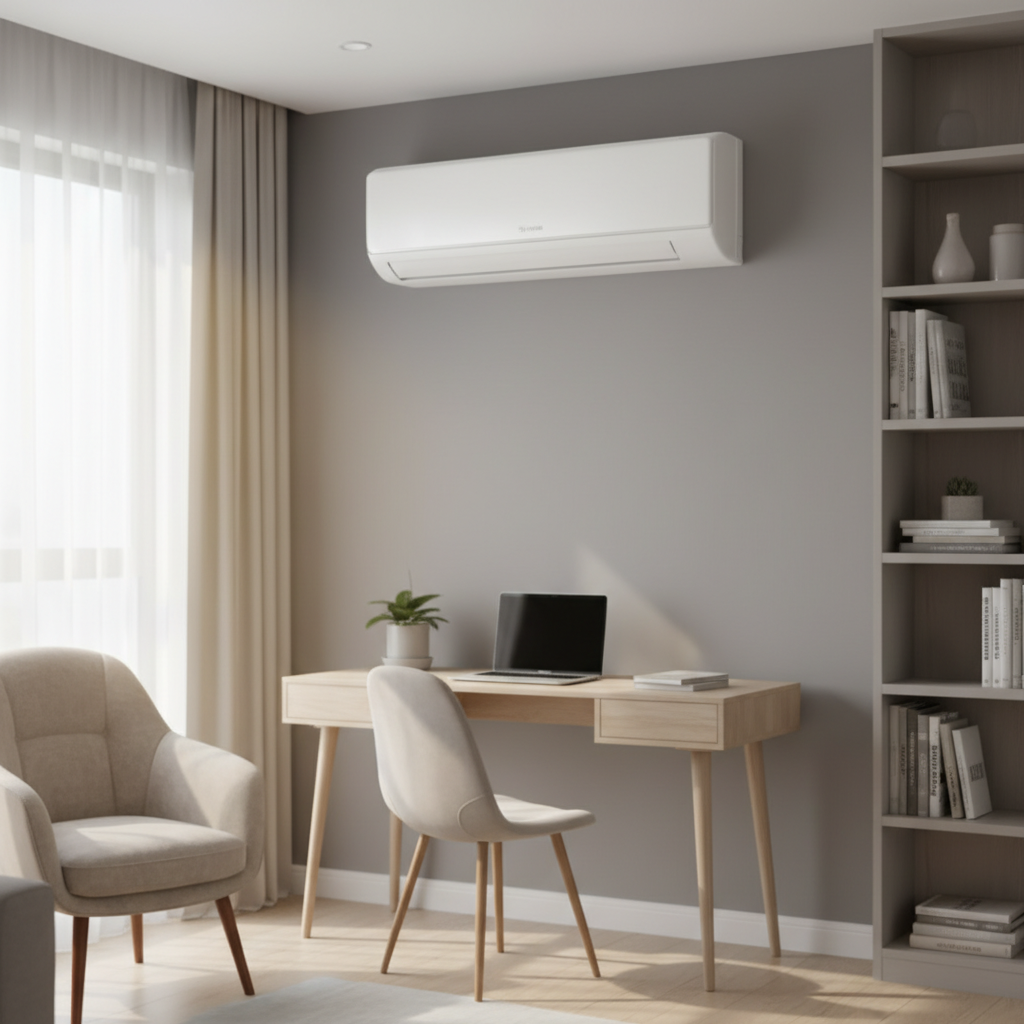
Wall-mounted air conditioners primarily refer to two main types: ductless mini-split systems and through-the-wall (TTW) units. Both are designed to provide localized cooling (and often heating) without requiring extensive ductwork, making them exceptionally suitable for smaller living environments.
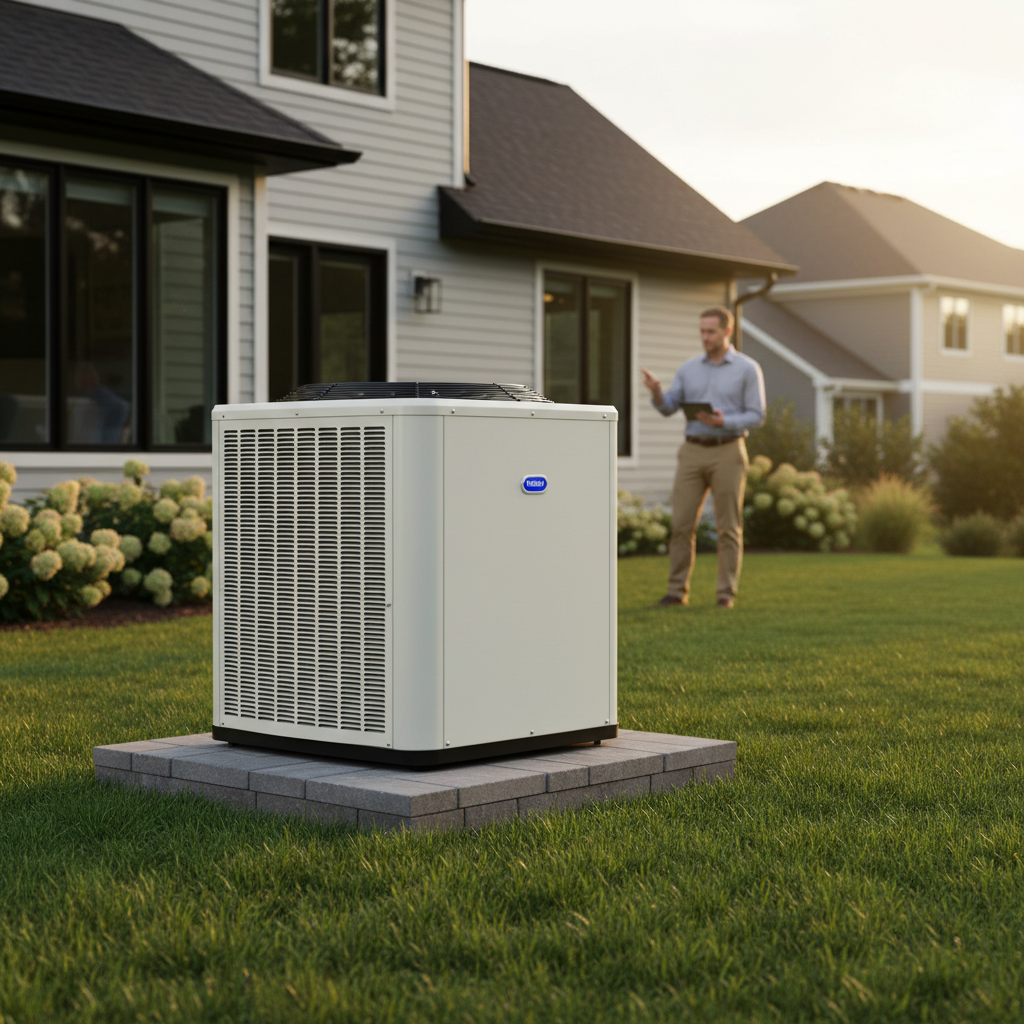
Ductless mini-splits consist of an indoor unit, typically mounted high on a wall, connected to an outdoor compressor/condenser unit via a small conduit. This design allows for flexible installation, quiet operation, and precise temperature control. They are renowned for their energy efficiency and ability to cool or heat specific zones within a home. Through-the-wall ACs, on the other hand, are self-contained units installed directly into a pre-existing or newly created opening in an exterior wall, often replacing older units or offering a compact solution where mini-splits might not be feasible.
The evolution of these systems by 2026 emphasizes advanced inverter technology for variable-speed compressors, leading to significant energy savings. Modern units also increasingly incorporate eco-friendly refrigerants like R-32, boast higher Seasonal Energy Efficiency Ratio (SEER) and SEER2 ratings, and integrate smart features for enhanced user convenience. These advancements make them superior to older window or portable units in terms of performance and long-term cost-effectiveness.
Key Factors When Choosing a Wall-Mounted AC for Small Spaces
Selecting the right wall-mounted air conditioner requires careful consideration of several factors to ensure optimal comfort and efficiency in your compact area.
Cooling Capacity (BTU)
The cooling capacity, measured in British Thermal Units (BTU), is paramount. An undersized unit will struggle to cool the room, while an oversized one will cycle on and off too frequently, leading to inefficient operation, poor dehumidification, and higher energy consumption.
To determine the appropriate BTU for your small space, consider the following general guidelines:
- Less than 299 square feet: Approximately 8,000 BTU
- 300 to 500 square feet: Approximately 10,000 BTU
- 501 to 700 square feet: Approximately 12,000 BTU
|
Our Picks for the Best Air conditioner in 2026
As an Amazon Associate I earn from qualifying purchases.
|
||
| Num | Product | Action |
|---|---|---|
| 1 | Midea 5,000 BTU EasyCool Small Window Air Conditioner - Cool up to 150 Sq. Ft. with Easy-to-Use Mechanical Controls and Reusable Filter, Perfect for Small Bedroom, Living Room, Home Office |

|
| 2 | Shinco 8,000 BTU Portable Air Conditioner, AC Unit with Built-in Cool, Dehumidifier & Fan Modes for Room up to 350 sq.ft, Conditioner Remote Control, 24 Hour Timer, Installation Kit |
|
| 3 | Midea 8,000 BTU U Shaped Smart Inverter Window Air Conditioner - Cools 350 Sq Ft, Ultra Quiet with Open Window Flexibility - Alexa/Google Assistant Compatible - 37% Energy Savings, Remote (Updated) |
|
| 4 | LEVOIT Tower Fan for Bedroom, 90° Oscillating Standing Fan with 28dB Quiet for Sleep, 25ft/s Velocity, 12H Timer, 5 Speeds 4 Modes, Remoter, Bladeless Room Fan for Home, Office, Indoor, 36 inch, White |
|
| 5 | Amazon Basics 6000-BTU Window Air Conditioner with Quiet Operation, Up to 250 Sqf, Cool and Fan Functions, Washable Filter, Adjustable Window Kit, Digital Temperature Display, Remote Control, White |
|
| 6 | Frigidaire 5,000 BTU Window-Mounted Air Conditioner, Cools Up to 150 Sq. Ft., Quiet Operation, Effortless Temperature Control, 2 Fan Speeds, Auto Restart, White |
|
| 7 | Midea 12,000 BTU U-Shaped Smart Inverter Window Air Conditioner–Cools up to 550 Sq. Ft., Ultra Quiet with Open Window Flexibility, Compatible with Alexa/Google Assistant, 35% Energy Savings (Renewed) |
|
| 8 | Feelfunn 8,000 BTU Portable Air Conditioner - 3-in-1 Portable AC Unit for Rooms Up to 350 Sq. Ft., with Remote Control, Cooling, Dehumidifier & Fan Modes, AC Unit for Bedroom, Office, Apartment |
|
| 9 | Amazon Basics 5000-BTU Window Air Conditioner with Quiet Operation, Up to 150 Sqf, Cool and Fan Functions, Washable Filter, Adjustable Window Kit, Intuitive Mechanical Controls, for Small Room, White |
|
| 10 | 12000 BTU Portable Air Conditioner, 3-in-1 Portable AC Unit with Cooling, Dehumidifier and Fan Modes, Cools Up to 450 Sq.Ft, LED Display Air Conditioners with Window Kit and Remote Control |
|
These figures are a starting point; factors like ceiling height, sun exposure, insulation quality, and the number of occupants can influence the exact BTU requirement. Always measure your room’s length and width to calculate its square footage accurately.
Types of Wall-Mounted ACs
The choice between a ductless mini-split and a through-the-wall unit depends on your specific needs and installation possibilities.
Ductless Mini-Splits:
- Pros: Highly energy-efficient (some with SEER ratings up to 42.5), exceptionally quiet operation (as low as 29-32 dB), offer zoned cooling/heating, flexible installation, and often include advanced features like air filtration. They are ideal for individual rooms or additions without ductwork.
- Cons: Higher upfront cost compared to TTW units, requires professional installation (though some DIY models exist), and the outdoor unit needs a dedicated space.
Through-the-Wall (TTW) ACs:
- Pros: More affordable upfront, designed for straightforward replacement in existing wall sleeves, and ideal for specific room cooling in apartments or hotels.
- Cons: Generally less energy-efficient than mini-splits, can be louder (typically 50-60 dB), and offers fewer advanced features. Installation requires cutting a precise hole in an exterior wall if no sleeve exists.
Energy Efficiency
Energy efficiency is a critical consideration, especially for long-term savings. Look for units with high SEER (Seasonal Energy Efficiency Ratio) or SEER2 ratings, which indicate how efficiently an AC converts electricity into cooling over a typical season. Units with an ENERGY STAR certification meet strict energy efficiency guidelines set by the EPA.
Inverter technology is a game-changer for efficiency. Unlike traditional compressors that simply turn on or off, inverter compressors adjust their speed to precisely match the cooling demand, maintaining a consistent temperature with less energy consumption. Additionally, newer models are adopting R-32 refrigerant, which has a lower global warming potential than older refrigerants, aligning with environmental goals for 2026 and beyond.
Features and Smart Technology
Modern wall-mounted ACs come packed with features designed to enhance comfort and convenience:
- Quiet Operation: Essential for bedrooms and home offices. Mini-splits are generally superior here. Look for decibel (dB) ratings in product specifications.
- Smart Control: Wi-Fi connectivity allows you to control your AC via smartphone apps, and many integrate with smart home systems like Amazon Alexa or Google Home for voice control and scheduling.
- Air Quality: Advanced filtration systems, including HEPA filters and ionizers, can significantly improve indoor air quality by removing dust, allergens, and odors.
- Dehumidification Mode: Helps remove excess moisture from the air, making your space feel cooler and more comfortable even without lowering the temperature drastically.
- Sleep Mode: Automatically adjusts temperature settings overnight for optimal sleep comfort and energy savings.
- Programmable Timers: Allows you to set specific on/off times, ensuring your room is cool when you arrive home and saving energy when you’re away.
Brand Reputation and Cost
Investing in a reputable brand often translates to better performance, reliability, and customer support. For ductless mini-splits, top-tier brands known for their technology and support include Mitsubishi, Samsung, and LG, with Fujitsu and Daikin also being highly regarded. For through-the-wall units, brands like Amana, Friedrich, Keystone, LG, Midea, and Whirlpool are prominent.
The cost of a wall-mounted AC varies widely. A ductless mini-split indoor unit alone might range from $400 to $1,000, while a complete system (indoor and outdoor units) can range from $3,000 to $15,000, including installation. Professional installation for a mini-split typically adds $1,200 to $2,200 to the unit cost. Through-the-wall units are generally less expensive upfront, both for the unit and installation. Warranties are also crucial; many brands offer 10-year parts warranties for mini-split compressors, providing long-term peace of mind.
“When selecting an air conditioner for a small space, prioritize efficiency and sound levels. A high SEER-rated, quiet unit with inverter technology will provide superior comfort and save you money in the long run.” – HVAC Expert, ReviewRNZ.com
Comparing Popular Wall-Mounted AC Types for Small Spaces
While specific model numbers can change, understanding the general characteristics of different types and reputable brands will guide your decision.
| Feature | Ductless Mini-Split AC | Through-the-Wall (TTW) AC |
|---|---|---|
| Ideal For | Bedrooms, home offices, additions, tiny homes | Apartments, hotels, rooms with existing wall sleeves |
| Typical BTU Range | 6,000 – 18,000 BTU (single zone) | 8,000 – 12,000 BTU (for small spaces) |
| Energy Efficiency | High (SEER/SEER2 20+ common, up to 42.5) | Moderate (EER 9-11 common) |
| Noise Level | Very Quiet (as low as 29 dB indoors) | Moderate to Loud (50-60 dB indoors typical) |
| Installation | Requires outdoor unit, refrigerant lines (professional recommended) | Fits into existing wall sleeve, or new exterior wall cut-out |
| Key Technologies | Inverter, R-32 refrigerant, multi-stage filtration | Electronic controls, basic filters |
| Smart Features | Wi-Fi, app control, voice assistant integration | Often limited, some Wi-Fi models available |
| Dehumidification | Excellent | Good |
| Heating Function | Heat pump (highly efficient) | Electric heat strip (less efficient) |
| Typical Brands | Mitsubishi, Samsung, LG, Fujitsu, Daikin, MrCool, Carrier | Amana, Friedrich, Keystone, LG, Midea, Whirlpool, Cooper&Hunter |
| Cost (Unit Only) | $400 – $1,000 (indoor unit), $1,000 – $4,000 (system) | $300 – $800 |
Your Buying Guide for a Small Space Wall-Mounted AC
Making an informed decision ensures you choose an air conditioner that perfectly fits your small space and lifestyle.
Assess Your Needs
Start by clearly defining what you need.
- Room Size: Measure the exact square footage of the room. Don’t forget to account for high ceilings, large windows, or poor insulation, which might require a slightly higher BTU.
- Usage: Is it for a bedroom where quiet operation is critical? A home office needing smart control? Or a tiny home requiring both heating and cooling year-round?
- Budget: Determine your total budget, including the unit and potential installation costs. Remember that a higher upfront investment in an energy-efficient unit can lead to significant long-term savings on utility bills.
- Existing Infrastructure: Do you have an existing wall sleeve, or will you need new installation? This will heavily influence the choice between a mini-split and a TTW unit.
Research and Compare
Once your needs are clear, delve into research.
- Read Reviews: Look for unbiased reviews from other users in similar small spaces. Pay attention to comments on noise levels, ease of use, and actual cooling performance.
- Compare Features: Create a checklist of essential features (e.g., Wi-Fi, sleep mode, specific BTU range, heating capability) and compare models against it.
- Professional Consultation: For ductless mini-splits, consulting with a certified HVAC technician is highly recommended. They can help with precise BTU sizing, discuss installation options, and provide quotes.
Installation Considerations
Proper installation is crucial for performance and longevity.
- DIY vs. Professional: While some mini-splits like MRCOOL are designed for DIY installation, most complex HVAC systems, especially mini-splits, benefit from professional installation to ensure proper refrigerant charging, wiring, and optimal placement. Through-the-wall units can sometimes be DIY if replacing an existing unit, but a professional might be needed for new wall openings.
- Wall Requirements: Wall-mounted units require an exterior wall for ventilation. Ensure there are no plumbing or electrical structures inside the wall where the unit will be placed. Check electrical requirements (120V vs. 220V) to match your home’s capacity.
- Aesthetics: Consider how the unit will look in your space. Mini-splits are often sleek and modern, while TTW units can be more utilitarian.
Post-Purchase: Maintenance Tips
Regular maintenance extends the lifespan and maintains the efficiency of your wall-mounted AC.
- Filter Cleaning: Clean or replace air filters every 1-2 months, or more frequently if used heavily, to ensure optimal airflow and indoor air quality.
- Coil Inspection: Periodically inspect indoor and outdoor coils for dirt and debris. Clean them gently to prevent efficiency loss.
- Professional Servicing: Schedule annual inspections and tune-ups by a qualified HVAC technician. They can check refrigerant levels, electrical connections, and overall system health, catching potential issues before they become major problems.
Tips for Maximizing Efficiency in Small Spaces
Even with an energy-efficient wall-mounted AC, smart usage can lead to further savings and improved comfort.
- Set the Right Temperature: Aim for a comfortable yet energy-saving temperature, typically between 72-78°F (22-26°C). Avoid setting it too low, as each degree can significantly increase energy consumption.
- Utilize Smart Features: Take advantage of programmable timers and sleep modes. Schedule your AC to cool down before you arrive home and slightly raise the temperature when you’re asleep. Smart features can learn your preferences and optimize energy use.
- Seal Leaks: Ensure windows and doors are properly sealed to prevent cooled air from escaping. Use weatherstripping or caulk around gaps. Good insulation in walls and ceilings also plays a vital role.
- Combine with Fans: Ceiling or oscillating fans can help circulate cooled air more effectively, allowing you to set your AC thermostat a few degrees higher without sacrificing comfort.
- Block Sunlight: Use blinds or curtains to block direct sunlight during the hottest parts of the day, reducing heat gain in your small space.
Conclusion
Choosing the best wall-mounted AC for your small space in 2026 is an investment in your comfort and well-being. By understanding the differences between ductless mini-splits and through-the-wall units, carefully matching BTU capacity to your room size, prioritizing energy efficiency with high SEER ratings and inverter technology, and leveraging smart features, you can find a solution that not only cools your space effectively but also fits seamlessly into your lifestyle and budget. With proper research and maintenance, your wall-mounted AC will provide a refreshing sanctuary for years to come.
Ready to transform your small space into a cool oasis? What aspects of wall-mounted ACs are most important for your personal comfort?
Frequently Asked Questions
What BTU is ideal for a small bedroom?
For a small bedroom typically under 200 square feet, an 8,000 BTU wall-mounted air conditioner is usually sufficient. Factors like high ceilings, direct sunlight, or poor insulation might require a slightly higher BTU, so always measure your specific room dimensions.
Are wall-mounted mini-splits significantly quieter than through-the-wall ACs?
Yes, ductless mini-split systems are generally much quieter than through-the-wall (TTW) ACs. Mini-splits can operate as low as 29-32 decibels indoors, while TTW units often range from 50-60 decibels. The outdoor compressor of a mini-split keeps much of the noise outside.
Can I install a wall-mounted AC myself?
Some wall-mounted mini-split systems, like certain MRCOOL models, are designed for DIY installation. However, most mini-split and through-the-wall AC installations involve electrical work and handling refrigerants, which are best left to licensed HVAC professionals to ensure safety, proper operation, and warranty validity.
What are the main energy-saving features to look for?
Prioritize units with high SEER2 (Seasonal Energy Efficiency Ratio 2) ratings and inverter technology. SEER2 indicates efficiency, while inverter compressors adjust speed to save energy. Also, look for ENERGY STAR certification and the use of eco-friendly R-32 refrigerant.
How much does it cost to run a wall-mounted AC in a small space?
The running cost depends on the unit’s efficiency (SEER/EER), your local electricity rates, and how frequently it’s used. High-efficiency inverter mini-splits for small rooms can be very economical, often costing less than central air for targeted cooling, leading to significant savings over time.