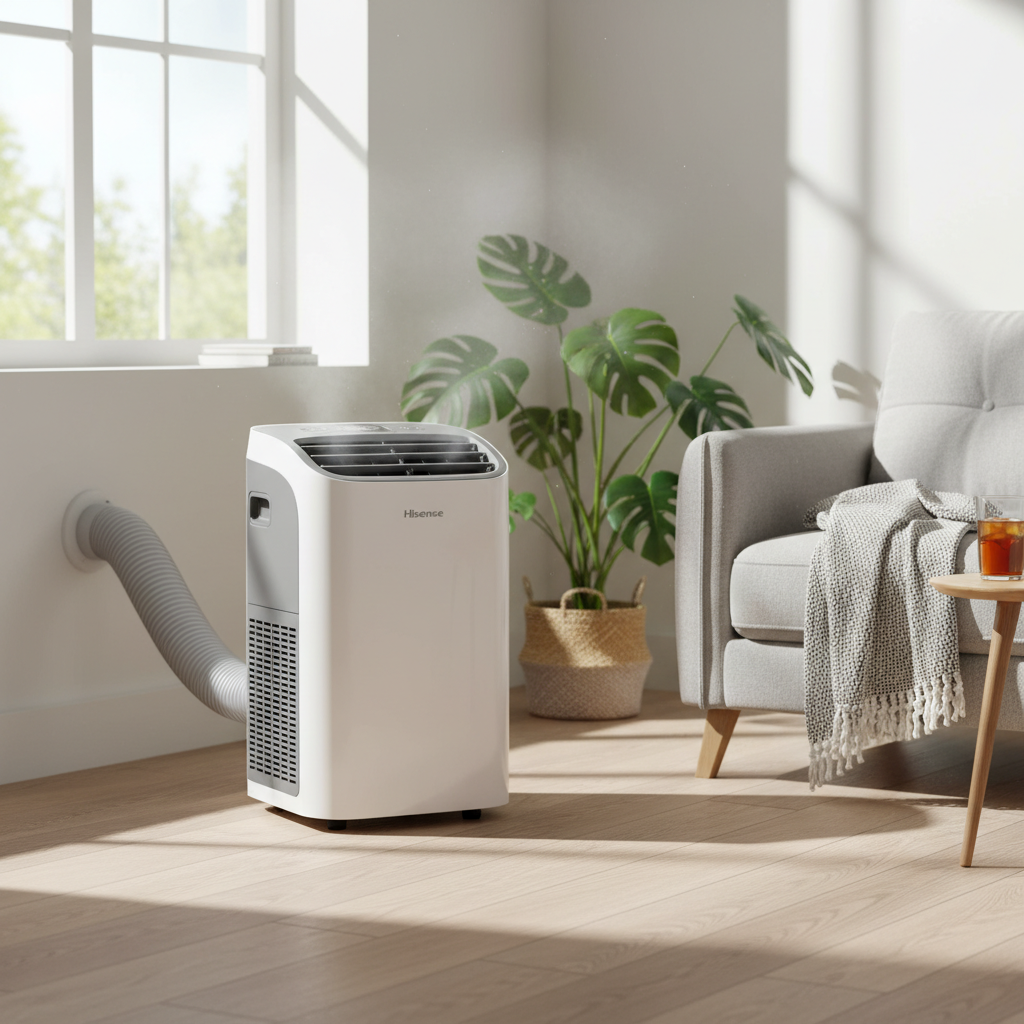
Choosing a new air conditioner for your home is a significant decision, impacting not just your comfort but also your energy bills for years to come. In the vast world of HVAC systems, you’ll encounter various options, with single-stage and two-stage air conditioners being two of the most common. Understanding the fundamental differences between these systems is crucial to selecting the one that best aligns with your needs, climate, and budget. This comprehensive guide will break down how each type operates, their respective advantages and disadvantages, and key factors to consider, helping you make an informed choice for a perfectly cooled home.
Overview of Air Conditioners
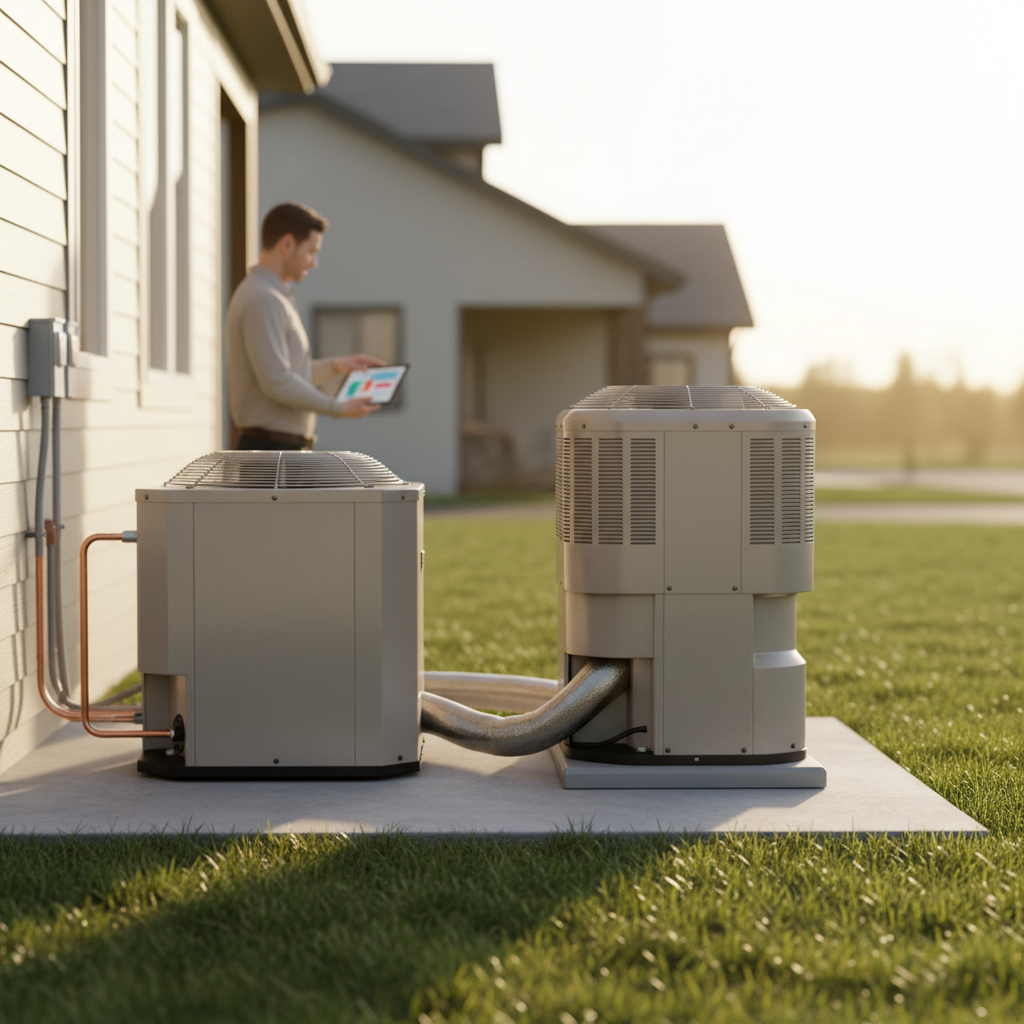
An air conditioner is an essential home appliance designed to remove heat and humidity from your indoor space, replacing it with cooler, more comfortable air. While various types exist, such as window units, portable ACs, and ductless mini-splits, central air conditioning systems are widely popular, circulating conditioned air throughout your entire home via ductwork. The primary distinction often lies in how their compressors operate, leading to categories like single-stage, two-stage, and variable-speed units. Each design offers a different approach to maintaining your desired indoor climate, affecting everything from energy consumption to the consistency of cooling.
Understanding Single-Stage Air Conditioners
Single-stage air conditioners are the most traditional and straightforward cooling systems available. They operate on a simple “all or nothing” principle, meaning their compressor has only one speed: full capacity. When your thermostat detects that the indoor temperature has risen above your set point, the single-stage unit kicks on at 100% power to cool your home as quickly as possible. Once the desired temperature is reached, the system completely shuts off until cooling is needed again.
The primary advantage of single-stage units is their lower initial purchase and installation cost, making them an attractive option for budget-conscious homeowners. Their simpler design also means fewer components, potentially leading to more straightforward maintenance and repairs. However, this simplicity comes with trade-offs. The constant cycling between full power and off can lead to noticeable temperature fluctuations, creating hot and cold spots throughout your home. Furthermore, these units are generally less energy-efficient because they always operate at maximum capacity, regardless of how much cooling is actually required. Their shorter run times also mean less effective humidity removal, which can leave your home feeling clammy in humid climates.
Understanding Two-Stage Air Conditioners
Two-stage air conditioners represent a significant step up in terms of comfort and efficiency compared to their single-stage counterparts. The key difference lies in their compressor, which can operate at two distinct speeds or capacities. Typically, the low stage runs at around 65-70% of the unit’s total capacity, while the high stage operates at 100%. Most of the time, especially on milder days, a two-stage unit will run on its lower setting, providing continuous, gentle cooling. When temperatures soar or more intense cooling is needed, the system automatically switches to its high setting.
This dual-stage operation offers numerous benefits. The longer run times at a lower capacity allow for more consistent temperatures throughout your home, eliminating the uncomfortable hot and cold spots often associated with single-stage units. This continuous operation also excels at removing humidity from the air, creating a more comfortable indoor environment, particularly in humid regions. Two-stage air conditioners are significantly more energy-efficient because they don’t constantly cycle on and off at full power. They consume less energy by running at the necessary capacity, leading to lower utility bills. Additionally, operating at a lower speed makes these units much quieter than single-stage systems. While the upfront cost is higher, ranging from 20-30% more than single-stage units, the long-term energy savings and enhanced comfort often justify the initial investment.
Key Factors When Comparing Single-Stage and Two-Stage ACs
When deciding between a single-stage and a two-stage air conditioner, several critical factors should guide your choice. Each factor contributes to the overall cost, comfort, and efficiency of your home cooling system.
Upfront and Operating Costs
|
Our Picks for the Best Air conditioner in 2026
As an Amazon Associate I earn from qualifying purchases.
|
||
| Num | Product | Action |
|---|---|---|
| 1 | Feelfunn 8,000 BTU Portable Air Conditioner - 3-in-1 Portable AC Unit for Rooms Up to 350 Sq. Ft., with Remote Control, Cooling, Dehumidifier & Fan Modes, AC Unit for Bedroom, Office, Apartment |

|
| 2 | Midea 12,000 BTU U-Shaped Smart Inverter Window Air Conditioner–Cools up to 550 Sq. Ft., Ultra Quiet with Open Window Flexibility, Compatible with Alexa/Google Assistant, 35% Energy Savings (Renewed) |
|
| 3 | Midea 8,000 BTU U Shaped Smart Inverter Window Air Conditioner - Cools 350 Sq Ft, Ultra Quiet with Open Window Flexibility - Alexa/Google Assistant Compatible - 37% Energy Savings, Remote (Updated) |
|
| 4 | LEVOIT Tower Fan for Bedroom, 90° Oscillating Standing Fan with 28dB Quiet for Sleep, 25ft/s Velocity, 12H Timer, 5 Speeds 4 Modes, Remoter, Bladeless Room Fan for Home, Office, Indoor, 36 inch, White |
|
| 5 | 12000 BTU Portable Air Conditioner, 3-in-1 Portable AC Unit with Cooling, Dehumidifier and Fan Modes, Cools Up to 450 Sq.Ft, LED Display Air Conditioners with Window Kit and Remote Control |
|
| 6 | Frigidaire 5,000 BTU Window-Mounted Air Conditioner, Cools Up to 150 Sq. Ft., Quiet Operation, Effortless Temperature Control, 2 Fan Speeds, Auto Restart, White |
|
| 7 | Amazon Basics 6000-BTU Window Air Conditioner with Quiet Operation, Up to 250 Sqf, Cool and Fan Functions, Washable Filter, Adjustable Window Kit, Digital Temperature Display, Remote Control, White |
|
| 8 | Midea 5,000 BTU EasyCool Small Window Air Conditioner - Cool up to 150 Sq. Ft. with Easy-to-Use Mechanical Controls and Reusable Filter, Perfect for Small Bedroom, Living Room, Home Office |
|
| 9 | Amazon Basics 5000-BTU Window Air Conditioner with Quiet Operation, Up to 150 Sqf, Cool and Fan Functions, Washable Filter, Adjustable Window Kit, Intuitive Mechanical Controls, for Small Room, White |
|
| 10 | Shinco 8,000 BTU Portable Air Conditioner, AC Unit with Built-in Cool, Dehumidifier & Fan Modes for Room up to 350 sq.ft, Conditioner Remote Control, 24 Hour Timer, Installation Kit |
|
The initial price tag is often a major consideration for homeowners. Single-stage air conditioners are undeniably more affordable upfront, with installed costs typically ranging from $4,500 to $7,000. In contrast, two-stage systems come with a higher initial investment, generally costing between $6,000 and $9,500, roughly 20-30% more than single-stage units.
However, looking beyond the initial purchase is crucial for a complete financial picture. Two-stage air conditioners offer substantial operating cost savings due to their superior energy efficiency. Homeowners can expect to save an estimated $20-40 per month on energy bills compared to a single-stage system, accumulating significant savings over the unit’s lifespan. Some two-stage systems may also qualify for federal tax credits, which can help offset their higher upfront cost.
Energy Efficiency (SEER Rating)
Energy efficiency, measured by the Seasonal Energy Efficiency Ratio (SEER), is a critical distinction. Single-stage systems are the least energy-efficient because they are always operating at 100% capacity when on, leading to frequent and energy-intensive start-stop cycles.
Two-stage air conditioners are considerably more energy-efficient. By running at a lower capacity for most of the time, they minimize the energy surges associated with starting up and shutting down, akin to how a car is more fuel-efficient driving at slower, consistent speeds. This reduced cycling and modulated operation mean they consume less electricity to maintain your desired temperature, translating directly into lower monthly energy bills.
Comfort and Humidity Control
Comfort is where two-stage systems truly shine. Single-stage units, with their on/off operation, can lead to uneven cooling, causing uncomfortable temperature swings and noticeable hot and cold spots in different areas of your home. They also remove less humidity because their short operating cycles don’t allow enough time for moisture extraction, potentially leaving your home feeling damp and clammy.
Two-stage units provide a much more consistent and comfortable indoor environment. Their longer, low-speed cycles result in more even temperature distribution throughout your home. Moreover, these extended run times are highly effective at removing excess moisture from the air, significantly improving humidity control and overall indoor air quality.
“Single-stage will cool your space. Two-stage will keep it comfortable. If you’ve got the budget and long hours, two-stage is worth it. If not, single-stage will still do the job.” – Tony, Seasoned HVAC Pro
Noise Levels
The noise produced by an air conditioner can significantly impact your home environment. Single-stage units, constantly running at full blast, tend to be louder during operation. The abrupt starts and stops can also be disruptive.
Two-stage air conditioners are notably quieter, especially when operating on their low-speed setting, which is most of the time. The gentle, continuous operation minimizes sudden noises, providing a more peaceful indoor atmosphere.
Lifespan and Maintenance
The lifespan of an air conditioner can be influenced by its operational style. The frequent on/off cycling of single-stage systems can put more stress on internal components, potentially leading to increased wear and tear over time. While their simpler design might mean easier repairs, the mechanical stress could lead to a shorter overall lifespan compared to systems that run more consistently.
Two-stage systems, by running longer and gentler cycles, may reduce mechanical stress and potentially extend the unit’s lifespan, assuming proper maintenance. However, it’s worth noting that their more sophisticated components could lead to more complex and potentially more expensive repairs if issues arise.
Single-Stage vs. Two-Stage Air Conditioners: A Comparison Table
To summarize the key differences, here’s a comparison table:
| Feature | Single-Stage Air Conditioner | Two-Stage Air Conditioner |
|---|---|---|
| Operation | On/Off (100% capacity) | Two speeds: Low (~65-70%) and High (100%) |
| Upfront Cost | Lower ($4,500 – $7,000 installed) | Higher ($6,000 – $9,500 installed, 20-30% more) |
| Operating Cost | Higher energy bills | Lower energy bills (savings of $20-40/month possible) |
| Energy Efficiency | Least efficient (frequent on/off cycles) | More efficient (longer, consistent runs at lower capacity) |
| Comfort | Temperature swings, hot/cold spots | Consistent, even temperatures throughout your home |
| Humidity Control | Less effective (shorter run times) | Superior (longer run times remove more moisture) |
| Noise Level | Louder (full blast operation) | Quieter (especially on low setting) |
| Lifespan (Potential) | Potentially shorter (more wear from cycling) | Potentially longer (less mechanical stress) |
| Complexity of Repairs | Simpler, potentially less costly | More complex, potentially more costly |
Which Air Conditioner is Right for You? (Buying Guide)
Choosing the ideal air conditioner involves carefully weighing your priorities and understanding how each system aligns with your specific situation.
Assess Your Budget
Start by considering both your immediate financial capacity for the initial purchase and your long-term budget for utility costs. While a single-stage unit saves money upfront, a two-stage system can offer substantial savings on monthly energy bills over its lifespan. If you plan to stay in your home for many years, the higher initial investment in a two-stage unit could easily pay for itself through reduced operating expenses.
Consider Your Climate
Your local climate plays a significant role in determining the most suitable system. If you live in an area with consistently hot and humid summers, a two-stage air conditioner’s superior dehumidification and even cooling will provide a noticeable boost in comfort. For regions with milder climates or homes that only require occasional cooling, a single-stage unit might be sufficient.
Prioritize Comfort and Air Quality
If consistent temperatures, superior humidity control, and a quieter operation are high on your list of priorities, a two-stage system is the clear winner. The subtle, continuous cooling prevents the uncomfortable temperature fluctuations often experienced with single-stage units and actively enhances indoor air quality by better managing humidity.
Consult an HVAC Professional
The best way to ensure you choose the right system is to consult with a qualified HVAC professional. They can perform a Manual J load calculation, which precisely determines your home’s cooling needs based on its size, insulation, windows, and other factors. This ensures your chosen system is correctly sized and optimally efficient, whether it’s a single-stage or two-stage unit.
Tips for Maximizing Air Conditioner Efficiency
Regardless of whether you choose a single-stage or two-stage air conditioner, implementing these tips can help you maximize efficiency and extend the life of your unit:
- Proper Sizing is Key: An improperly sized AC unit will struggle, leading to inefficiency and reduced comfort. Always ensure your unit is correctly sized for your home’s square footage and heat load.
- Regular Maintenance: Schedule annual professional tune-ups. Clean or replace air filters monthly during peak usage. This keeps your system running smoothly and efficiently.
- Utilize a Smart Thermostat: Programmable or smart thermostats can optimize your AC’s operation by adjusting temperatures when you’re away or asleep, reducing unnecessary cooling.
- Seal Leaks and Insulate: Prevent conditioned air from escaping by sealing windows, doors, and ductwork leaks. Proper insulation helps maintain stable indoor temperatures, reducing the workload on your AC.
- Shade Your Home: Use blinds, curtains, or awnings to block direct sunlight, especially on south and west-facing windows, to reduce heat gain.
- Strategic Fan Use: Ceiling fans can make a room feel cooler, allowing you to set your thermostat a few degrees higher without sacrificing comfort.
Conclusion
The choice between a single-stage and a two-stage air conditioner ultimately depends on your individual priorities. Single-stage units offer an attractive lower upfront cost and straightforward operation, making them a viable option for those on a strict budget or in milder climates. However, for homeowners prioritizing consistent comfort, superior humidity control, quieter operation, and long-term energy savings, the two-stage air conditioner stands out as the more advanced and beneficial solution. While it requires a higher initial investment, its enhanced efficiency and improved indoor environment often provide significant value over the system’s lifespan. By carefully considering your home’s specific needs, your climate, and your budget, you can confidently select the air conditioner that will keep your living space perfectly cool and comfortable for years to come. What factors will you prioritize in your next air conditioner purchase?
Câu Hỏi Thường Gặp
What is the main operational difference between single-stage and two-stage air conditioners?
A single-stage air conditioner operates only at 100% capacity (either fully on or fully off), while a two-stage unit can operate at two levels: a lower capacity (typically 65-70%) for most cooling needs and a higher capacity (100%) for peak demands.
Do two-stage air conditioners save money on electricity bills?
Yes, two-stage air conditioners are generally more energy-efficient than single-stage units. By running for longer periods at a lower capacity, they consume less electricity, leading to noticeable savings on your monthly energy bills, potentially $20-40 per month.
Is a two-stage air conditioner better for humidity control?
Absolutely. The longer run times of a two-stage air conditioner, especially on its lower setting, allow the system more time to remove moisture from the air, resulting in superior humidity control and a more comfortable indoor environment compared to single-stage units.